


Gifu Prefecture, nestled in the heart of Japan, is a land steeped in history, natural beauty, and cultural depth. From the traditional streets of Takayama to the breathtaking views of the Northern Alps, Gifu offers a rich tapestry of experiences that draw travelers into its unique charm. Here are ten must-visit spots in Gifu Prefecture, each promising an unforgettable journey into Japan’s heartland.
Shirakawa-go
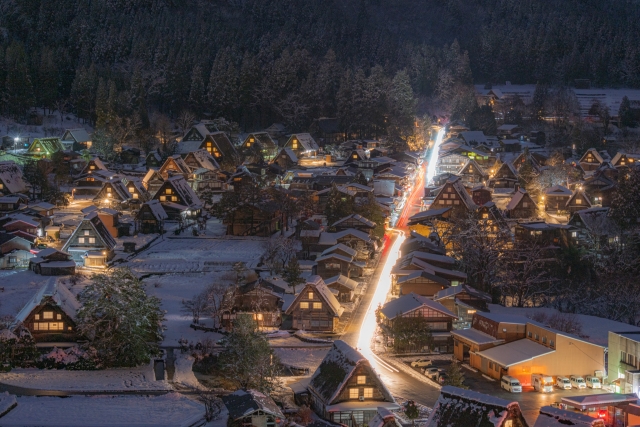
- Address: Shirakawa, Ono District, Gifu Prefecture
- Business Hours: Open 24/7; observation deck and museums have specific hours.
- Closed Days: Varies by attraction.
- Usage Fee: Free for village; observation deck and museums charge a fee.
- Official Website URL: Shirakawa-go Official
Shirakawa-go, nestled in the remote mountains of Gifu, is a historic village renowned for its traditional gassho-zukuri farmhouses, some of which are over 250 years old. The village’s unique name, which means “White River Old Village,” is derived from the pristine Shogawa River that flows through the region. In 1995, Shirakawa-go was designated a UNESCO World Heritage site, recognized for its well-preserved buildings that illustrate a traditional way of life perfectly adapted to cold environments.
The history of Shirakawa-go is deeply rooted in its unique architectural style, designed to withstand the heavy snowfalls of the region. The gassho-zukuri (“praying hands”) farmhouses are characterized by their steeply pitched thatched roofs, resembling hands joined in prayer. These structures, built without the use of nails, showcase a remarkable engineering ingenuity developed over generations.
Attractions in Shirakawa-go extend beyond its architectural marvels. The village offers a glimpse into the traditional Japanese rural life, with many farmhouses now serving as museums, guesthouses, and shops where visitors can experience the local culture firsthand. The observation deck provides panoramic views of the village against the backdrop of the changing seasons, offering breathtaking vistas of the thatched roofs covered in snow in winter or surrounded by lush greenery in summer.
To fully enjoy Shirakawa-go, visitors are encouraged to explore the village on foot, allowing for a leisurely appreciation of its historical farmhouses, serene landscapes, and the traditional lifestyle that has been preserved in this remarkable village. The sounds of nature, the warmth of the local community, and the tranquility of the surroundings make Shirakawa-go a memorable escape from the bustle of modern life.
Takayama Old Town
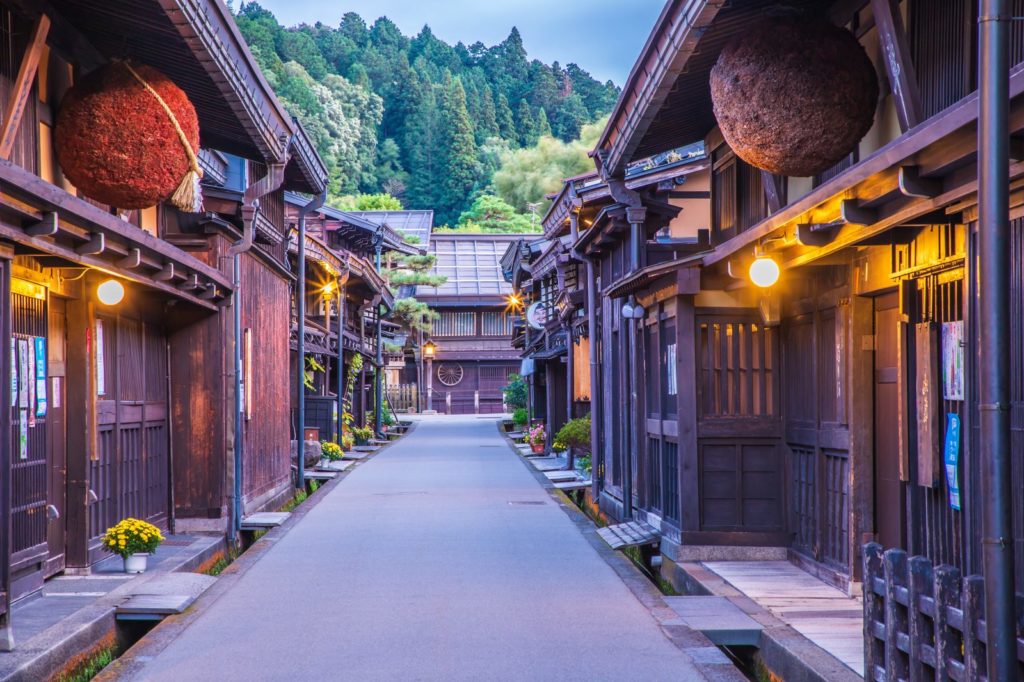
- Address: Takayama City, Gifu Prefecture
- Business Hours: Varies by shop.
- Closed Days: Varies by shop.
- Usage Fee: Free to explore; shop and museum fees vary.
- Official Website URL: Takayama Old Town Guide
Takayama Old Town, nestled in the heart of the Japanese Alps, is a beautifully preserved district that transports visitors back to the Edo Period (1603-1868). Known for its narrow streets lined with historic merchants’ homes, sake breweries, and traditional shops, Takayama offers a rare glimpse into Japan’s feudal past, combining the charm of old Japan with the breathtaking natural beauty of its alpine setting.
The history of Takayama Old Town is marked by its strategic location, which facilitated the development of a thriving merchant community. The area’s prosperity was largely due to its high-quality timber and skilled carpenters, whose work contributed to the construction of many temples and imperial palaces throughout Japan. Today, Takayama is celebrated not only for its historical architecture but also for its preservation of traditional crafts, local cuisine, and festivals.
Attractions in Takayama Old Town include the Takayama Jinya, a former government outpost that now serves as a museum, and the Sanmachi Suji district, the heart of the old town, where visitors can explore sake breweries marked by sugidama (cedar balls), sample local specialties like Hida beef, and browse shops selling crafts such as lacquerware and carved wood. The biannual Takayama Festival, held in spring and autumn, is considered one of Japan’s most beautiful, featuring ornate floats and traditional puppetry.
To fully enjoy Takayama Old Town, visitors should take their time wandering its streets, stepping into its museums and galleries, and enjoying the local cuisine at its many cafes and restaurants. The sounds of the Miyagawa River, the soft ringing of temple bells, and the chatter of the market create a serene yet vibrant atmosphere that is uniquely Takayama.
Takayama Old Town stands as a testament to the enduring allure of Japan’s cultural heritage, offering an intimate encounter with the traditions and architectural beauty of a bygone era. It’s a must-visit for anyone seeking to immerse themselves in the history and natural splendor of the Japanese Alps.
Gifu Castle
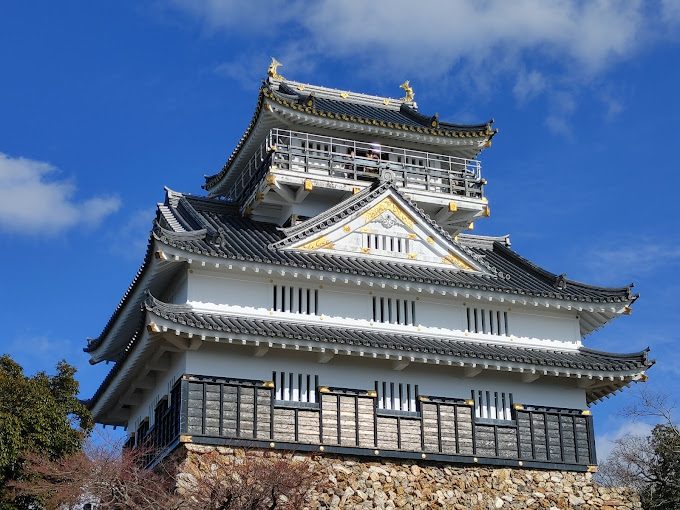
- Address: 18 Tenshukaku, Gifu City, Gifu Prefecture
- Business Hours: 9:30 AM – 5:30 PM
- Closed Days: December 29 to January 1
- Usage Fee: ¥200
- Official Website URL: Gifu Castle Official
Gifu Castle, perched atop Mount Kinka, is a fortress steeped in history and warlord lore, offering breathtaking views of the surrounding city and Nagara River. Originally built in the 13th century and once the stronghold of the influential daimyo Oda Nobunaga during the Sengoku period (1467-1615), Gifu Castle has witnessed many pivotal moments in Japan’s tumultuous journey towards unification and peace.
The castle’s history is characterized by sieges, reconstructions, and periods of strategic importance as a military outpost. Under Nobunaga’s command, it became a center of politics and culture in the late 16th century, embodying the power and ambition of one of Japan’s most renowned feudal lords. Though the original structure was destroyed by fire in the 19th century, the current reconstruction offers a window into the past, showcasing the architectural styles and defensive mechanisms of Japan’s castles.
Attractions at Gifu Castle include a museum within the keep that houses armor, weapons, and artifacts related to its historical inhabitants, providing insights into the life of a samurai warlord. The ascent to the castle, whether by hiking the well-maintained trail or taking the cable car, is part of the experience, allowing visitors to enjoy the natural beauty of Mount Kinka.
To fully enjoy Gifu Castle, visitors should explore the museum exhibits to understand its historical significance, then proceed to the observation deck for panoramic views of Gifu and beyond. The sounds of the city drifting up the mountain, the rustling of leaves, and the occasional call of a bird create a peaceful yet evocative atmosphere, inviting reflection on the castle’s storied past.
Gifu Castle remains a symbol of Japan’s rich history, offering an engaging exploration of feudal architecture, warfare, and the strategic importance of this commanding hilltop fortress. It stands as a must-visit landmark for history enthusiasts and those captivated by the legacy of samurai culture.
Gero Onsen
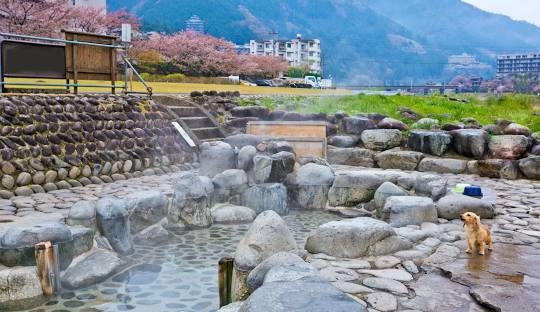
- Address: Gero City, Gifu Prefecture
- Business Hours: individual Onsen have their own hours.
- Closed Days: N/A
- Usage Fee: Approximately ¥7,00 – ¥2,000
- Official Website URL: Gero Onsen
Gero Onsen is one of the country’s most famous hot spring resorts, celebrated for its healing waters for centuries. Revered as one of Japan’s three most renowned onsen alongside Arima and Kusatsu, Gero Onsen’s history of hospitality and wellness dates back over a thousand years, drawing visitors seeking relaxation and therapeutic benefits from across Japan and around the world.
The legend of Gero Onsen’s discovery tells of a white heron healing its wounds in the warm waters, signaling the springs’ restorative properties. Since then, the onsen has become a symbol of rejuvenation, with its mineral-rich waters believed to alleviate various ailments and promote overall health. The town has developed around these hot springs, offering a wide array of public bathhouses, ryokans (traditional Japanese inns), and foot baths, making the healing powers of Gero’s waters accessible to all.
Attractions in Gero Onsen extend beyond the baths themselves. Visitors can explore the Gassho Village, a collection of traditional thatched-roof houses, enjoy strolls along the Hida River, and participate in cultural experiences like sake tasting. The open-air museum and the onsenji temple, dedicated to the guardian deity of hot springs, provide insights into the area’s rich cultural heritage.
To fully enjoy Gero Onsen, guests are encouraged to immerse themselves in the onsen culture by staying at a ryokan, where they can experience the hospitality and traditional cuisine of the region. Walking along the river in a yukata (casual kimono), dipping into foot baths scattered throughout the town, and listening to the soothing sounds of nature and flowing waters offer a peaceful retreat from the hustle and bustle of daily life.
Gero Onsen stands as a testament to the enduring appeal of Japan’s hot spring culture, offering a blend of natural beauty, wellness, and tradition that continues to enchant visitors seeking a serene and healthful escape.
Hida Minzoku Mura Folk Village (Hida no Sato)
- Address: 1-590 Kamiokamotomachi, Takayama, Gifu Prefecture
- Business Hours: 8:30 AM – 5:00 PM
- Closed Days: December 31 to January 1
- Usage Fee: ¥700
- Official Website URL: Hida no Sato Official
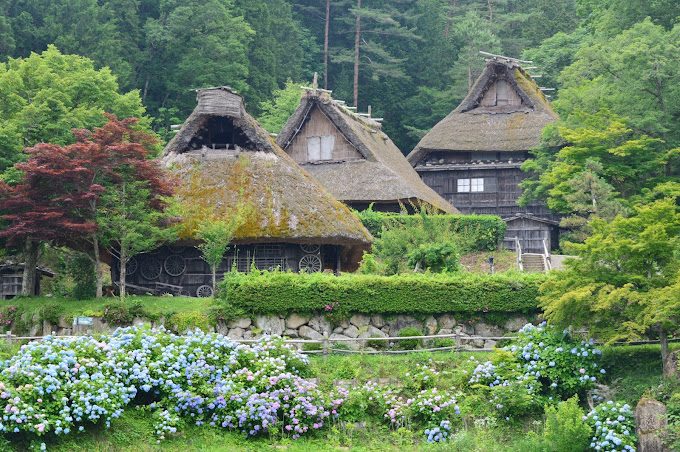
Hida Minzoku Mura Folk Village, also known as Hida no Sato, is a meticulously preserved open-air museum located on the outskirts of Takayama. This cultural gem replicates a traditional mountain village from the Hida region, showcasing the distinctive architectural style and way of life of the area’s inhabitants during the Edo Period (1603-1868). With over 30 thatched-roof farmhouses and buildings transferred from their original locations and carefully reconstructed on site, Hida no Sato offers an immersive journey back in time.
The history of the village is deeply entwined with the skilled carpenters of the Hida region, known as “Hida no Takumi,” renowned for their craftsmanship in constructing temples, shrines, and castles across Japan. The village’s gassho-zukuri farmhouses, characterized by their steeply pitched thatched roofs designed to withstand heavy snowfall, are a testament to this craftsmanship and ingenuity.
Attractions in Hida Minzoku Mura Folk Village include the opportunity to explore the interior of these traditional houses, observe demonstrations of folk arts and crafts, and participate in seasonal activities, such as mochi (rice cake) pounding and sarubobo (a traditional Japanese amulet) making. The village also features a tranquil pond, watermill, and a variety of plants and trees that add to the serene and picturesque setting.
Hida Minzoku Mura Folk Village stands as a living museum, preserving the heritage and traditional lifestyle of the Hida region. It offers a unique and enriching experience for those interested in Japan’s rural history and architectural beauty, providing a peaceful escape into the country’s pastoral past.
Norikura Highlands
- Address: Norikura Kogen, Gifu Prefecture
- Business Hours: Open 24/7; activity and facility hours vary.
- Closed Days: Varies by facility.
- Usage Fee: Free access; activity and facility fees vary.
- Official Website URL: Norikura Highlands Guide
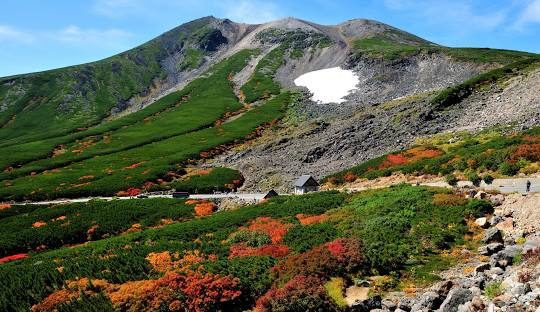
Norikura Highlands, located in the border region of Gifu and Nagano Prefectures, is a breathtaking mountainous area that serves as a natural playground for outdoor enthusiasts and nature lovers alike. Dominated by Mount Norikura, the third highest volcano in Japan, the highlands offer a serene and picturesque landscape filled with alpine flora, cascading waterfalls, and pristine streams. This area is a hidden gem, providing a peaceful retreat from the hustle and bustle of city life and a chance to immerse oneself in the beauty of Japan’s alpine environment.
The history of Norikura Highlands is closely tied to its geological activity and the cultural significance of mountains in Japan. The area has been a site of reverence and pilgrimage, with Mount Norikura considered sacred in the Shinto tradition. Over time, it has become a popular destination for hiking, skiing, and hot spring bathing, drawing visitors with its natural beauty and the healing properties of its waters.
Attractions in Norikura Highlands include the Tatamidaira Plateau, accessible by the highest road in Japan, which offers stunning panoramic views of the Northern Alps. The area is also home to several onsen (hot springs), including those at the foot of the mountain, providing a relaxing end to a day of hiking or skiing. The highlands are a haven for biodiversity, with various trails leading through forests and meadows, where visitors can observe a wide range of alpine plants and wildlife.
To fully enjoy Norikura Highlands, visitors are encouraged to engage in the array of outdoor activities available, from hiking and cycling in the warmer months to skiing and snowboarding in winter. The sounds of nature, from the rustling of leaves to the flowing of water, create a tranquil atmosphere that soothes the soul. For those seeking a more leisurely experience, the hot springs offer a chance to unwind and soak in the stunning natural surroundings.
Norikura Highlands stands as a testament to the majestic beauty of Japan’s mountainous regions, offering an escape into nature where one can find adventure, relaxation, and rejuvenation amidst the grandeur of the Northern Alps.
Seki Knife Museum
- Address: 950-1, Oze, Seki-shi, Gifu 501-3265, Japan
- Business Hours: 9:00 AM – 4:30 PM
- Closed Days: NA
- Usage Fee: Admission is free, but the experience costs ¥3,8000 per adult.
- Official Website URL: Seki Knife Museum Official
The Seki Knife Museum, located in Seki City, is a fascinating destination that celebrates the centuries-old tradition of Japanese blade making. Seki City is renowned as one of the world’s foremost centers for cutlery and sword production, a reputation that dates back to the Kamakura period (1185–1333) when the city’s blacksmiths began crafting samurai swords renowned for their superior sharpness and durability. This rich history is preserved and showcased at the Seki Knife Museum, where visitors can delve into the artistry and craftsmanship that have made Seki’s blades sought after both in Japan and internationally.
The museum’s history is intertwined with that of Seki City itself, whose skilled artisans have passed down their knowledge and techniques through generations. The establishment of the museum serves to honor these traditions and ensure that the legacy of Seki’s blade-making excellence continues to be celebrated and preserved.
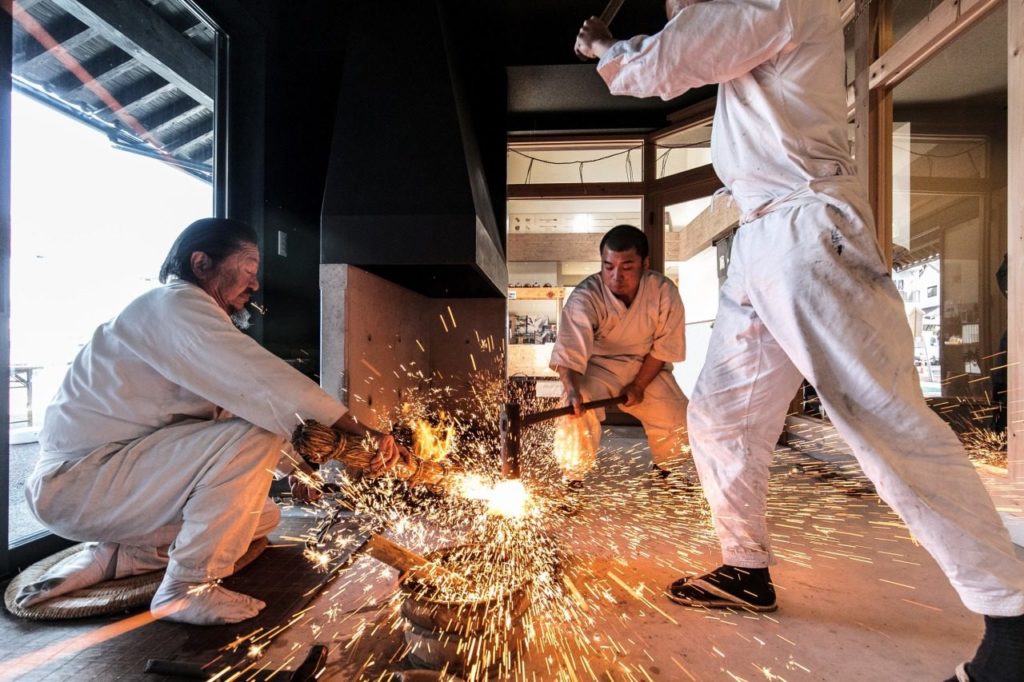
Attractions at the Seki Knife Museum include live demonstrations of sword forging by master craftsmen, an extensive display of various types of blades ranging from traditional samurai swords to contemporary kitchen knives, and interactive exhibits where visitors can learn about the intricate processes involved in creating a blade. The museum also offers hands-on workshops, allowing guests to experience the art of knife making under the guidance of skilled artisans.
To fully enjoy the Seki Knife Museum, visitors are encouraged to participate in the demonstrations and workshops, offering a unique opportunity to witness the precision and skill behind the creation of each blade. The sounds of hammers striking anvils, the glow of the forge, and the meticulous attention to detail in the crafting process provide an immersive experience into the world of Japanese blade making.
Gujo Hachiman

- Address: Gujo, Gifu Prefecture
- Business Hours: Varies by attraction
- Closed Days: Varies by attraction
- Usage Fee: Free to walk around; attraction fees vary.
- Official Website URL: Gujo Hachiman Tourism
Gujo Hachiman, often referred to as the “Water City,” is a picturesque town nestled in the mountains of Gifu. Renowned for its pristine waterways and traditional Japanese atmosphere, Gujo Hachiman is a hidden gem that offers visitors a glimpse into a way of life that has remained largely unchanged for centuries. The town is celebrated not only for its natural beauty and water-based infrastructure but also for its rich cultural heritage, including traditional dance festivals and craftsmanship in food replicas.
The history of Gujo Hachiman is deeply connected to its water system, consisting of clear, spring-fed canals that run through the town. These waters were ingeniously utilized for daily activities such as washing and irrigation, shaping the town’s layout and lifestyle. Gujo Hachiman Castle, perched atop a hill overlooking the town, adds to the historical ambiance, offering panoramic views of the surrounding area.
Attractions in Gujo Hachiman extend beyond its scenic waterways. The town is famous for its all-night bon dance festivals in the summer, where visitors and locals alike dance in the streets until dawn. Additionally, Gujo Hachiman’s food replica workshops attract those curious about this unique Japanese craft, with hands-on experiences available to create lifelike wax food models.
To fully enjoy Gujo Hachiman, visitors are encouraged to stroll along the waterways, exploring the charming streets, historic buildings, and local shops. Participating in a food replica workshop provides a unique insight into a fascinating aspect of Japanese culture. The sounds of flowing water, combined with the laughter and music of the dance festivals, create an enchanting atmosphere that embodies the town’s joyful and communal spirit.
Gujo Hachiman stands as a testament to the beauty and ingenuity of traditional Japanese towns, offering a peaceful retreat and a rich cultural experience that draws visitors back time and again.
Shinhotaka Ropeway
- Address: 710-7 Kamisaka, Okuhida Onsenkyo, Takayama City, Gifu 506-1421 Japan
- Business Hours: 8:30 AM – 4:00 PM (May vary with seasons and weather conditions)
- Closed Days: Operates year-round, but check for maintenance closures
- Usage Fee: ¥3,300 for adults (round trip)
- Official Website URL: Shinhotaka Ropeway
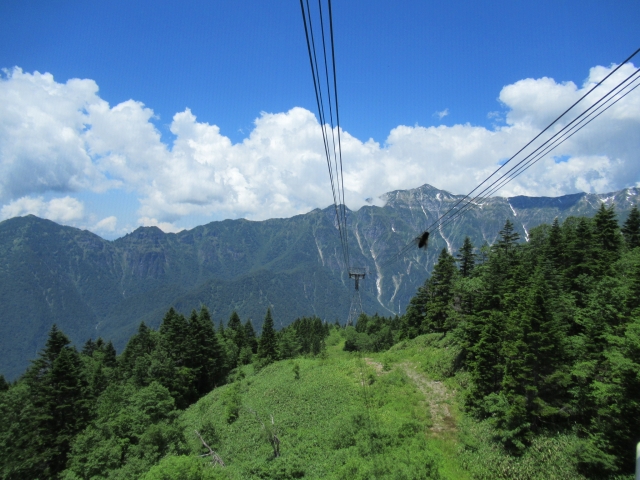
The Shinhotaka Ropeway offers an unparalleled opportunity to immerse oneself in some of Japan’s most stunning alpine scenery. This two-stage aerial lift system provides access to the majestic heights of the Hotaka Mountain Range, presenting awe-inspiring panoramic views that change with the seasons, from the verdant greens of summer to the pristine snowscapes of winter.
Opened in 1970, the Shinhotaka Ropeway was a marvel of engineering, designed to give visitors easy access to the natural beauty of the Alps without the need for strenuous hiking. Unique among Japan’s ropeways, Shinhotaka’s second stage features double-decker gondolas, allowing passengers an elevated view of the surrounding mountains and valleys like no other.
Attractions of the Shinhotaka Ropeway extend beyond its technological feats. At the upper station, visitors find themselves at the doorstep of the Northern Alps’ splendor, with various trails leading to scenic overlooks and the welcoming Nishiho Mountain Hut for those who wish to explore further. The area is a haven for nature lovers, offering chances to spot local wildlife and alpine flora. Additionally, the ropeway operates year-round, offering different but equally enchanting experiences across seasons, from vibrant autumn leaves to serene snow-covered landscapes.
To fully enjoy the Shinhotaka Ropeway, guests are encouraged to visit during clear weather to maximize the breathtaking views. The observation decks at the upper station are perfect for photography, capturing the awe-inspiring beauty of the Alps. The sounds of nature here are pristine, with the quiet of the mountains punctuated only by the occasional call of birds or the whisper of the wind.
The Shinhotaka Ropeway stands as a gateway to the high alpine world, providing an accessible and memorable experience for all who visit. It embodies the harmonious blend of technology and nature, inviting visitors to witness the untouched beauty of Japan’s Northern Alps.
Cormorant Fishing on the Nagara River
- Address: Nagara River, Gifu City, Gifu Prefecture
- Business Hours: Evening performances are held from May to October; specific times vary by month.
- Closed Days: Seasonal operation, from May to October only.
- Usage Fee: Viewing from the riverbank is free; boat viewing charges apply (around ¥3,500 for adults).
- Official Website URL: Cormorant Fishing on the Nagara River
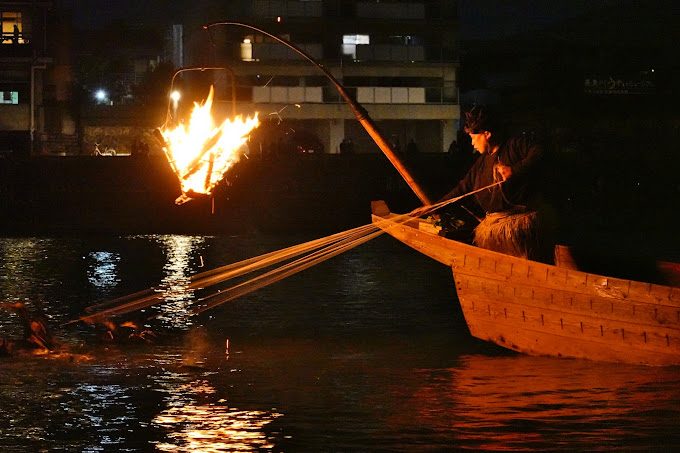
Cormorant fishing on the Nagara River, in Gifu Prefecture, Japan, is an ancient and mesmerizing tradition that has been practiced for over 1,300 years. Known in Japanese as “Ukai,” this traditional method of river fishing uses trained cormorants to catch sweetfish (ayu) and is a stunning cultural spectacle that attracts visitors from around the world. The practice is so esteemed that it has been under the imperial family’s patronage since the 8th century, highlighting its cultural significance.
The history of cormorant fishing on the Nagara River is intertwined with the lives of the local fishing masters, known as “Usho.” These masters have inherited techniques and knowledge passed down through generations, maintaining a deep connection with the river and its ecosystem. The process is a beautiful dance of nature and human cooperation, where Usho skillfully manage the cormorants, guiding them to catch fish with a technique that is both sustainable and respectful to the birds.
The main attraction of cormorant fishing is the evening spectacle, where Usho, dressed in traditional garb, maneuver wooden boats with expertly trained cormorants. Lit by flaming torches that attract fish to the surface, the river comes alive with the ancient rhythms of this unique fishing method. Visitors can watch from the banks of the Nagara River or aboard special viewing boats, offering an up-close experience of this traditional practice.
To fully enjoy cormorant fishing on the Nagara River, it’s recommended to visit during the fishing season, which runs from May to October. The sight of the Usho and their cormorants working in harmony, against the backdrop of the river’s serene flow and the gentle night, creates an unforgettable atmosphere. The sound of water, the warmth of the torchlight, and the silent, efficient dives of the cormorants make for a poignant reminder of Japan’s rich cultural heritage.
Cormorant fishing on the Nagara River stands as a testament to the enduring beauty of Japan’s traditional practices, offering a glimpse into the harmonious relationship between humans and nature that is both poignant and profound.

