

Embark on an enchanting journey through Fukushima Prefecture, a region that beautifully melds natural landscapes with historical richness and cultural depth. Situated in the heart of Japan’s Tohoku region, Fukushima is home to breathtaking sceneries, serene spiritual sites, and vibrant festivals that captivate the hearts of travelers. From the majestic Bandai Mountains to the tranquil setting of historical samurai residences, here are seven must-visit spots in Fukushima that promise to offer unique insights into the prefecture’s diverse allure.
Aizu-Wakamatsu Castle (Tsuruga Castle)

- Address: 1-1 Otemachi, Aizuwakamatsu-shi, Fukushima 965-0873
- Hours: Generally open from 8:30 AM to 5:00 PM.
- Closed Days: Open daily, but please check the official site for any seasonal adjustments.
- Fee: ¥410 (common ticket for the castle tower and the Inokaku Tower: ¥520)
- Official Site: Aizu-Wakamatsu Castle
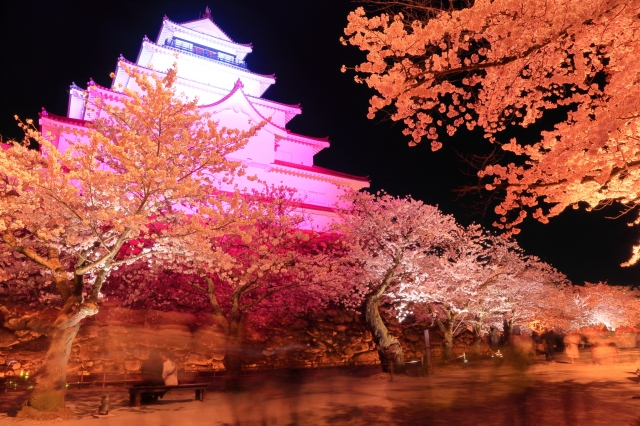
Aizu-Wakamatsu Castle, also known as Tsuruga Castle, stands as a symbol of resilience and history in Fukushima Prefecture. Reconstructed in the 1960s with concrete, allowing visitors to explore its interior, the castle originally dates back to the 14th century. It played a significant role during the Boshin War as a stronghold of the Aizu samurai who remained loyal to the shogunate. The castle’s distinctive red-tiled roof and white walls make it a picturesque landmark, surrounded by moats and stone walls that echo the past. Visitors can ascend to the top floor for panoramic views of Aizu-Wakamatsu and its surroundings, while the castle museum offers insights into the life of the samurai, the history of the castle, and the region’s culture. The cherry blossoms in spring add a layer of beauty and serenity, making it a favored spot for both history enthusiasts and nature lovers.
Ouchi-juku

- Address: Ouchi, Shimogo Town, Minamiaizu-gun, Fukushima 969-5207
- Hours: The village can be visited at any time, but specific establishments like shops and eateries have their own operating hours, usually from around 9:00 AM to 5:00 PM.
- Closed Days: Individual shops may have varying closed days.
- Fee: Free to walk around; costs may apply for certain experiences or dining.
- Official Site: Ouchi-juku
Ouchi-juku, nestled in the mountains of Fukushima, is a beautifully preserved post town that transports visitors back to the Edo period. This historic village, with its thatched-roof buildings lining a main street that once served as a major trade route, now invites travelers to experience traditional Japan. Visitors can stroll along the unpaved street, sample local delicacies such as negi soba (soba noodles eaten with a green onion instead of chopsticks), and explore the quaint shops selling handicrafts and local produce. The preservation of Ouchi-juku is not only a nod to Japan’s rich history but also a living museum where one can immerse themselves in the customs and lifestyle of a bygone era.
Goshiki-numa (Five Colored Ponds)

- Address: Hinohara Kenkemine, Kitashiobara-mura, Yama-gun, Fukushima 966-0501
- Hours: The walking trails are accessible throughout daylight hours; however, the best times to visit are from dawn to dusk.
- Closed Days: The trails are open year-round, but access might be limited in winter due to snow.
- Fee: Free access to the trails; parking and nearby facilities may have fees.
- Official Site: Goshiki-numa
Goshiki-numa, or the Five Colored Ponds, is a natural wonder located in the Bandai-Asahi National Park. These stunning volcanic ponds change colors through shades of blue, green, and even red, depending on the angle of sunlight and the minerals dissolved in the water. The result of a volcanic eruption in 1888, the Goshiki-numa Trail offers an easy hike where visitors can marvel at the unique landscapes and the vibrant, ethereal beauty of each pond. The area provides a serene environment perfect for nature walks, photography, and moments of reflection amidst the breathtaking scenery.
Aizu Samurai Houses (Aizu Buke Yashiki)

- Address: 1-1 Ishiyama-inchi, Higashiyama-cho, Aizuwakamatsu-shi, Fukushima 965-0813
- Hours: Typically 8:30 AM – 5:00 PM
- Closed Days: May vary, often open year-round
- Fee: ¥850 for adults
- Official Site: Aizu Samurai Houses
Aizu Buke Yashiki, the former residence of a high-ranking samurai in Aizu-Wakamatsu, offers a deep dive into the life and culture of Japan’s warrior class. This historic complex includes a main house, rice storehouse, and a samurai school, showcasing the architecture, education, and lifestyle of the Edo period’s samurai families. Live demonstrations, cultural exhibits, and the meticulously maintained garden offer visitors an immersive experience, highlighting the values, customs, and daily routines of the samurai.
Lake Inawashiro

- Address: Aizuwakamatsu City/Koriyama City, Inawashiro, Yama-gun, Fukushima Prefecture
- Hours: Open access to the lake; facility hours may vary.
- Closed Days: N/A for the lake itself; facilities around the lake may have specific closed days.
- Fee: Free access to the lake
- Official Site: Lake Inawashiro
Lake Inawashiro, known as the “Heavenly Mirror Lake,” is the fourth largest lake in Japan and one of its most pristine bodies of water. Situated in the center of Fukushima Prefecture, the lake provides a habitat for a wide variety of wildlife, including swans that migrate here in winter. Its clear waters offer recreational activities such as swimming, boating, and fishing in warmer months, while the surrounding areas are popular for hiking and picnicking, offering stunning views of Mt. Bandai. The lake’s beauty and tranquility make it a popular destination for those seeking to connect with nature.
The Great East Japan Earthquake and Nuclear Disaster Memorial Museum

- Address: 39 Nakano-Takada, Futaba-machi, Futaba-gun, Fukushima 979-1401
- Hours: 9:00 AM – 5:00 PM
- Closed Days: Typically closed on Tuesdays and New Year holidays
- Fee: Approximately ¥600 for adults
- Official Site: The Great East Japan Earthquake and Nuclear Disaster Memorial Museum
The Great East Japan Earthquake and Nuclear Disaster Memorial Museum, located in Futaba, Fukushima, serves as a solemn reminder of the March 11, 2011, disaster. Through exhibits, personal testimonials, and interactive displays, the museum educates visitors about the earthquake, tsunami, and nuclear crisis, emphasizing the resilience of the affected communities and the ongoing recovery efforts. It aims to preserve the memory of the event and to foster understanding of disaster prevention and preparedness for future generations.
Hanamiyama Park

- Address: 17 Watarihara, Fukushima City, Fukushima 960-8141 Japan
- Hours: Often 7:00 AM – 6:00 PM
- Closed Days: NA
- Fee: Free
- Official Site: Hanamiyama Park
Hanamiyama Park, situated on the outskirts of Fukushima City, is a testament to the beauty of nature and human stewardship of the land. Originally cultivated by local farmers, this privately owned park opens to the public during spring when it explodes in a riot of floral colors, with cherry blossoms, plum blossoms, forsythia, and azalea. Walking paths lead visitors through the picturesque landscape, offering stunning vistas of the surrounding mountains and valleys. Hanamiyama Park is not just a celebration of spring; it symbolizes rebirth and renewal, attracting nature lovers and photographers to its scenic beauty and peaceful ambiance.
Fukushima Prefecture, with its blend of natural beauty, rich history, and cultural vibrancy, offers a journey through the heart of Japan’s Tohoku region. Each destination provides a unique story, inviting travelers to explore and discover the enchanting spirit of Fukushima. Whether you’re wandering through historical villages, indulging in local cuisines, or celebrating traditional festivals, Fukushima welcomes you with open arms and unforgettable experiences.