


Embark on a journey to Tochigi Prefecture, a region that captivates with its blend of natural beauty, historic landmarks, and cultural experiences. Nestled in Japan’s Kanto region, Tochigi is home to the UNESCO World Heritage sites of Nikko, mesmerizing landscapes, and the charming townscapes of traditional Japan. Here are ten must-visit spots in Tochigi Prefecture, each promising an enriching exploration.
Nikko Toshogu Shrine
- Address: 2301 Sannai, Nikko, Tochigi 321-1431, Japan
- Business Hours: 9:00 AM – 4:00 PM (Nov to Mar), 9:00 AM – 5:00 PM (Apr to Oct)
- Closed Days: Open year-round
- Usage Fee: ¥1,300 for adults
- Website URL: Nikko Toshogu Shrine
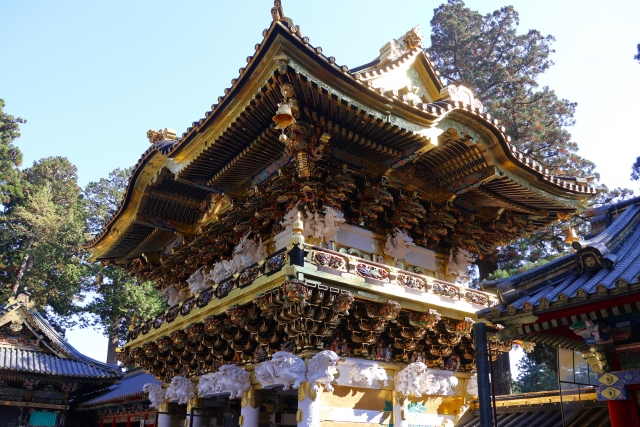
Nikko Toshogu Shrine, nestled in the lush forests of Nikko, stands as a splendid monument to Tokugawa Ieyasu, the founder of the Tokugawa shogunate that ruled Japan for over 250 years. Constructed in 1617, this UNESCO World Heritage site is a masterpiece of Japanese architecture and craftsmanship, embodying the extravagance of the Edo period. Its elaborate and colorful structures contrast sharply with the traditional Japanese aesthetic of simplicity, making it a unique and captivating sight.
The shrine complex is renowned for its intricate carvings, including the famous “Three Wise Monkeys” who embody the principle “see no evil, hear no evil, speak no evil,” and the “Sleeping Cat,” a testament to the skill of its creators. The Yomeimon Gate, often called the “higurashi-no-mon,” meaning the gate at which one could gaze all day, is particularly striking for its detailed decorations and multitude of colors.
Insider Tip:
- The spring and autumn months offer a breathtaking backdrop of cherry blossoms and vibrant fall foliage, enhancing the beauty of the shrine’s elaborate architecture.
Lake Chuzenji
- Address: Chugushi, Nikko, Tochigi 321-1661, Japan
- Business Hours: Open 24/7
- Closed Days: N/A
- Usage Fee: Free; fees apply for boat tours and other attractions
- Website URL: Lake Chuzenji
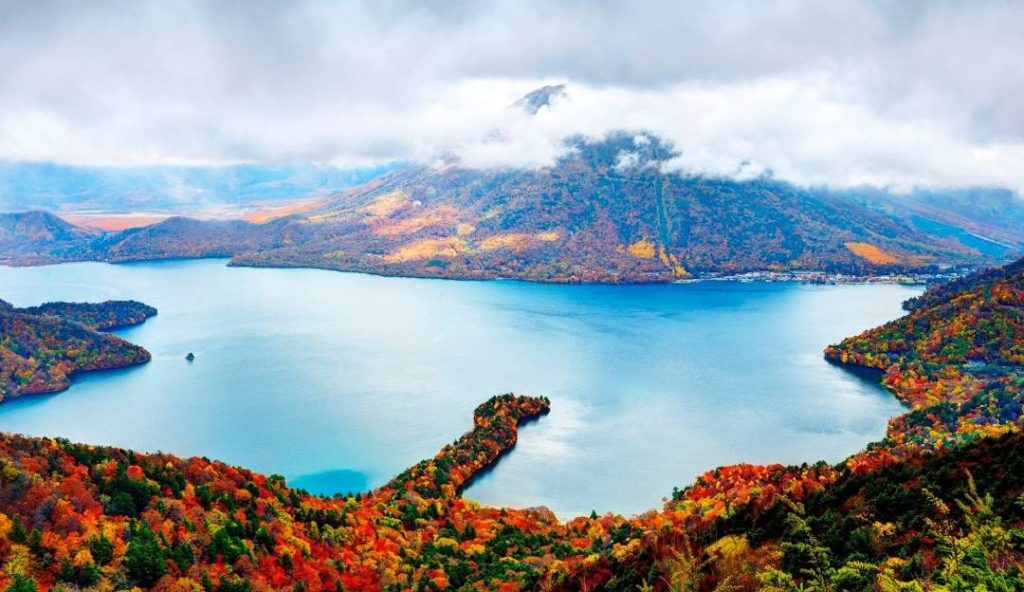
Lake Chuzenji, situated in the scenic Nikko National Park, is a picturesque natural gem that sits at the foot of Mount Nantai. This beautiful lake was formed over 20,000 years ago when Mount Nantai erupted and blocked the river, creating the lake. At an elevation of 1,269 meters, it is the highest lake in Japan, known for its cool climate, making it a popular summer retreat.
The history of Lake Chuzenji is deeply intertwined with Japanese culture and spirituality, given its proximity to the sacred Nikko Toshogu Shrine and the presence of historic temples along its shores. The lake has been a destination for pilgrims and travelers for centuries, drawn by its natural beauty and tranquil atmosphere.
Attractions around Lake Chuzenji include the Kegon Falls, one of Japan’s most famous waterfalls, which cascades 97 meters from the lake’s outlet. Visitors can also enjoy boat tours to fully appreciate the lake’s serene beauty, hike the surrounding trails, or relax at the hot springs in the area.
Insider Tip:
- For the best views and photography opportunities, visit Lake Chuzenji in autumn when the surrounding mountains are ablaze with fall foliage, creating a stunning contrast with the tranquil blue waters of the lake.
Edo Wonderland Nikko Edomura
- Address: 470-2 Karakura, Nikko, Tochigi 321-2524, Japan
- Business Hours: 9:00 AM – 5:00 PM (hours vary by season)
- Closed Days: Varies each month
- Usage Fee: ¥5,800 for adults
- Website URL: Edo Wonderland
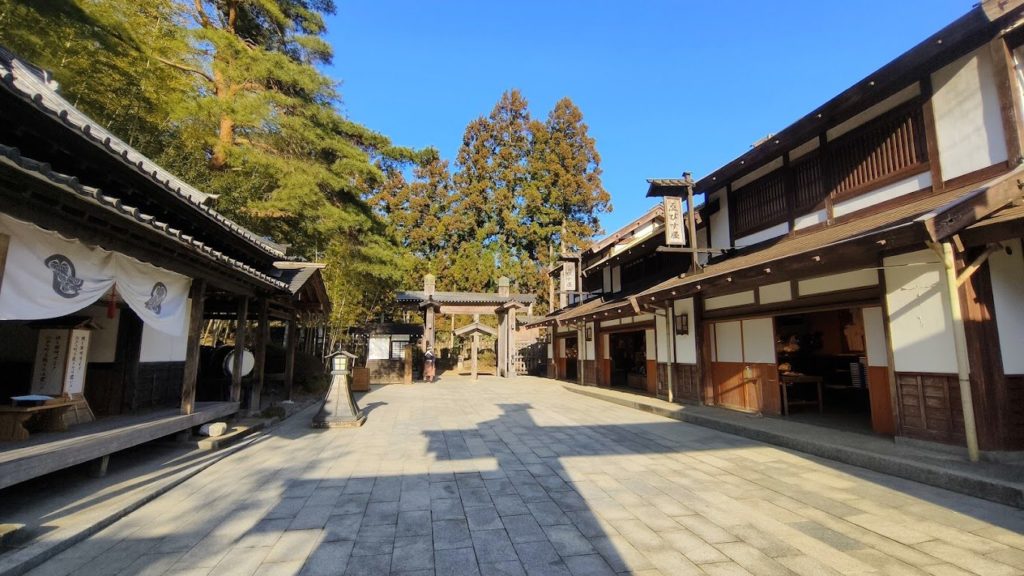
Edo Wonderland Nikko Edomura is a cultural theme park located in Nikko offering visitors a unique journey back in time to the Edo period (1603-1868), an era when samurai, ninja, and geisha were prominent figures in Japanese society. This immersive park recreates the architecture, atmosphere, and lifestyle of Edo-era Japan, making it a fascinating destination for history buffs, families, and anyone interested in Japanese culture.
Upon entering Edo Wonderland, guests find themselves in a meticulously reconstructed town from the Edo period, complete with traditional buildings, streets, and waterways. The park is divided into several districts, each dedicated to different aspects of Edo life, including a samurai district, a ninja village, and areas focused on the lives of townspeople and merchants.
Attractions at Edo Wonderland include live ninja shows, samurai sword fighting demonstrations, traditional Japanese theater performances, and hands-on activities like shuriken (throwing star) throwing and calligraphy workshops. Visitors can also dress up in period costumes to fully immerse themselves in the experience, transforming into a samurai, ninja, or townsfolk for the day.
One of the highlights of Edo Wonderland is the opportunity to interact with the park’s characters, including samurai, ninja, and geisha, who roam the streets and engage with guests, adding to the authentic atmosphere of the park.
Insider Tip:
- To make the most of your visit, check the schedule of performances and demonstrations upon arrival and plan your day around the shows you don’t want to miss.
Ashikaga Flower Park
- Address: 607 Hasamacho, Ashikaga, Tochigi 329-4216, Japan
- Business Hours: 9:00 AM – 5:00 PM (varies by season and event)
- Closed Days: December 31 to January 3
- Usage Fee: ¥500 to ¥1,400 (varies by season)
- Website URL: Ashikaga Flower Park
Ashikaga Flower Park is a spectacular garden renowned for its seasonal floral displays, most notably its vast collection of wisteria (fuji) flowers. Spanning over 23 acres, this park has evolved into one of Japan’s most illustrious floral destinations, attracting visitors from around the globe with its stunning landscapes and innovative garden designs.
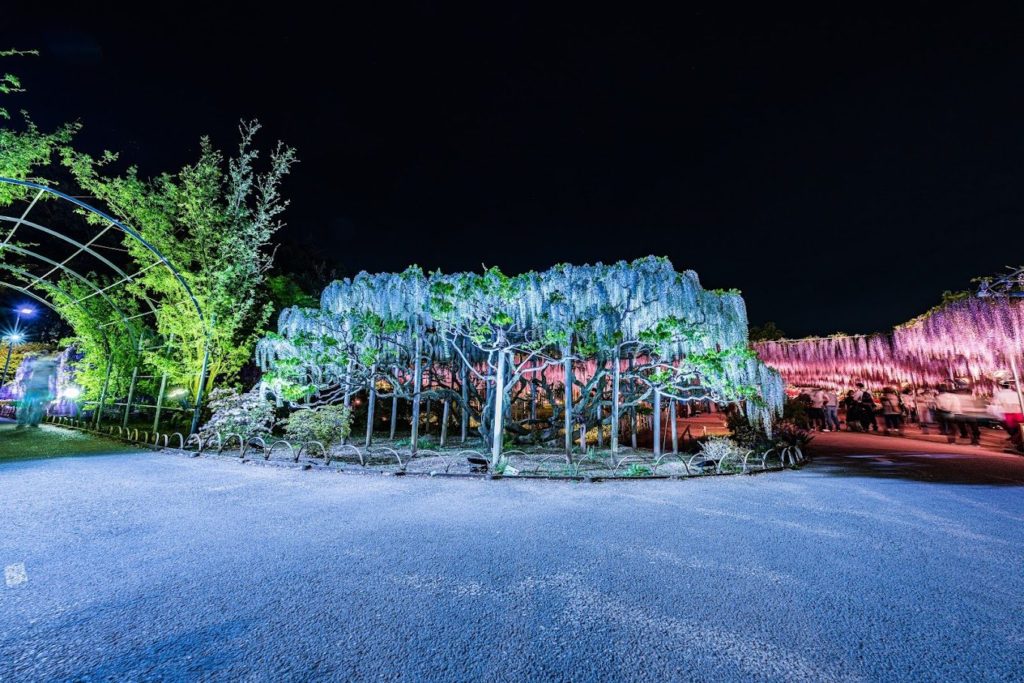
The history of Ashikaga Flower Park began in 1997, with the park’s development focused on creating a year-round floral experience. However, it is during the spring season that the park truly comes to life, showcasing its incredible wisteria varieties. The park features a remarkable range of wisterias, including white, pink, purple, and a rare double-petaled variety, as well as an 80-meter-long tunnel of white wisteria and a 600-square-meter umbrella of purple wisteria that create an otherworldly floral canopy for visitors to wander through.
Beyond wisteria, the park offers a constant rotation of blooms, from the bright lights of the winter illumination event, featuring millions of LED lights, to the vibrant colors of azaleas, hydrangeas, and autumn leaves throughout the year, ensuring that every visit is memorable.
Insider Tip:
- The best time to visit Ashikaga Flower Park is from late April to mid-May when the wisteria flowers are at their peak. Nighttime visits are also magical, especially during the illumination events when the gardens are lit up, offering a different perspective on the beauty of the flowers.
Nasu Safari Park

- Address: 3523 Takakuko, Nasu, Tochigi 325-0001, Japan
- Business Hours: Varies, check the official website
- Closed Days: Varies, check the official website
- Usage Fee: ¥3,200 for adults (for the safari bus tour)
- Website URL: Nasu Safari Park
Nasu Safari Park offers an adventurous and interactive wildlife experience. As one of Japan’s few safari parks, it allows visitors to get up close with a variety of animals from around the world, including lions, tigers, bears, giraffes, and elephants, in an environment that mimics their natural habitats as closely as possible.
Opened to the public, Nasu Safari Park has been dedicated to providing educational and engaging experiences for visitors of all ages. The park operates with a commitment to conservation and animal welfare, aiming to foster a deeper understanding and appreciation for wildlife.
Visitors can explore the park via their own vehicle or by joining a guided safari bus tour, which offers the unique opportunity to feed some of the animals directly under the supervision of park staff. The safari adventure takes guests through different zones, each housing specific animal species, allowing for an immersive experience into the lives of these fascinating creatures.
Attractions beyond the drive-through safari include walking areas where smaller animals can be viewed and interacted with, as well as various shows and presentations that educate visitors about animal behavior and conservation efforts.
Insider Tip:
- For a truly memorable experience, plan your visit during feeding times, usually held in the morning or late afternoon. This is when animal activity is at its peak, providing excellent opportunities for observation and photography.
Nasu Onsen
- Address: Nasu, Tochigi Prefecture, Japan
- Business Hours: Varies by onsen facility
- Closed Days: Varies by onsen facility
- Usage Fee: Varies but typically ¥400 to ¥1,500
- Website URL: Nasu Onsen Association
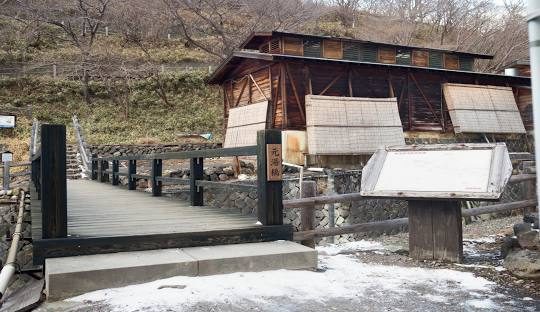
Nasu Onsen is a historic hot spring resort area renowned for its therapeutic waters and picturesque natural surroundings. This onsen district, with a history stretching back over 1,000 years, has long been a favored retreat for those seeking relaxation and rejuvenation amidst the beauty of the Nasu mountains.
The area is dotted with numerous hot spring sources, each offering its unique mineral composition and health benefits. Visitors can choose from a variety of bathing experiences, including traditional public bathhouses, private onsen baths in ryokans (Japanese inns), and open-air baths that allow for soaking in the midst of nature. Nasu Onsen’s waters are particularly noted for their healing properties, effective in alleviating fatigue, improving skin health, and promoting overall well-being.
Attractions in Nasu Onsen extend beyond the hot springs themselves. The region is rich in natural beauty and outdoor activities, with options for hiking, visiting waterfalls, and exploring the Nasu Highland Park. The area is also home to cultural sites like the Nasu Onsen Shrine, adding a spiritual dimension to the onsen experience.
Insider Tip:
- To fully immerse in the tranquility of Nasu Onsen, consider staying at a ryokan where you can enjoy not only the onsen but also traditional Japanese hospitality and cuisine. Visiting during the autumn months offers the added bonus of spectacular foliage, transforming the landscape into a vibrant palette of colors.
Mashiko Pottery Town
- Address: Mashiko, Haga District, Tochigi 321-4217, Japan
- Business Hours: Varies by studio and museum
- Closed Days: Varies by studio and museum
- Usage Fee: Free entry to the town; museum and workshop fees vary
- Website URL: Mashiko Town Tourist Assosiation
Mashiko Pottery Town is renowned for its rich tradition of pottery making, dating back to the late Edo Period. This quaint town gained prominence through the works of Shoji Hamada, a Living National Treasure, who settled in Mashiko in the 1920s and played a pivotal role in developing what is now known as “Mashiko ware” or “Mashiko-yaki.”
The unique appeal of Mashiko pottery lies in its rustic beauty, characterized by earthy tones and textures that reflect the natural materials and traditional techniques used in its creation. The town has become a hub for artists and craftsmen dedicated to preserving and innovating these techniques, offering a wide range of ceramics from functional kitchenware to artistic pieces.
Visitors to Mashiko can explore numerous pottery studios and kilns, where they can observe the pottery-making process firsthand and even try their hand at creating their own pieces in workshops. The Mashiko Pottery Museum and various galleries showcase the history and evolution of Mashiko ware, providing insights into the cultural significance of this craft.
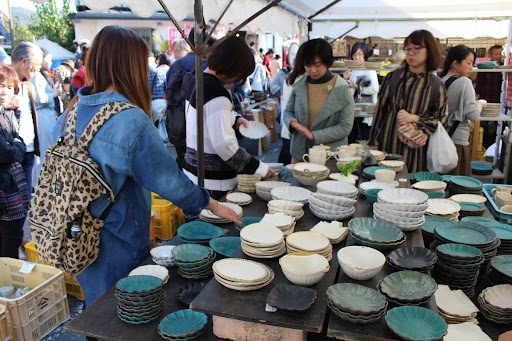
Twice a year, in spring and autumn, Mashiko hosts the Mashiko Pottery Market, attracting visitors and pottery enthusiasts from across Japan and beyond. This event offers the opportunity to purchase unique pieces directly from the artists, ranging from traditional to contemporary designs.
Insider Tip:
- To experience the vibrant atmosphere of Mashiko Pottery Town, plan your visit during the pottery market when the town comes alive with stalls, food, and festivities. For a quieter experience, visiting outside of the market days allows for more personal interactions with the potters and a deeper exploration of the town’s artistic community.
