Welcome to Kyoto, a city steeped in history, culture, and natural beauty. As the former capital of Japan for over a thousand years, Kyoto is renowned for its ancient temples, traditional tea houses, and stunning gardens. Whether you’re exploring the historic streets of Gion, marveling at the golden pavilion of Kinkaku-ji, or strolling along the serene Philosopher’s Path, Kyoto offers a wealth of experiences that will captivate and inspire you. Join us as we embark on a journey through Kyoto’s top 10 must-visit tourist destinations, each offering a glimpse into the city’s rich heritage and timeless allure.
Kinkaku-ji Temple
- Address: 1 Kinkakujicho, Kita Ward, Kyoto, 603-8361, Japan
- Opening Hours: 9:00 AM – 5:00 PM
- Closing Days: NA
- Admission: ¥400
- Official Website: Kinkaku-ji Temple
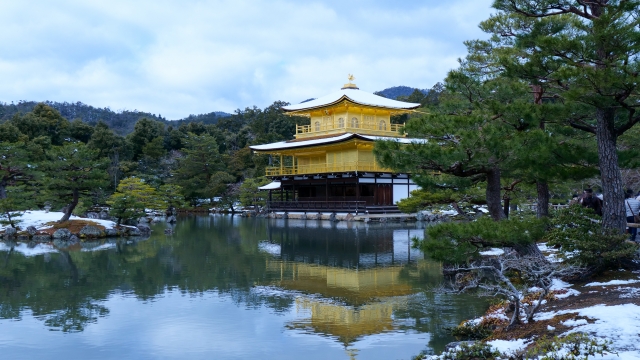
Kinkakuji Temple, also known as the Golden Pavilion, stands as a majestic symbol of Kyoto, embodying the elegant aesthetics of Japanese culture and architecture. This Zen Buddhist temple’s history dates back to the late 14th century when it was originally built as a retirement villa for Shogun Ashikaga Yoshimitsu, later transformed into a temple by his son. The temple’s most striking feature, its top two floors covered in gold leaf, reflects beautifully in the mirror pond, making it a stunning sight throughout the seasons.
The temple has endured various challenges, including being burned down several times throughout its history, with the most recent reconstruction in 1955 after a monk set it ablaze in 1950. Despite these events, Kinkakuji has remained a resilient symbol of peace and beauty, attracting millions of visitors from around the globe.
Visitors to Kinkakuji can enjoy the temple in many ways, from admiring its reflection in the surrounding pond, strolling through the meticulously maintained gardens, to participating in tea ceremonies at the Sekkatei Teahouse. Each season offers a unique backdrop to the temple, from cherry blossoms in spring, lush greenery in summer, vibrant autumn leaves, to a serene snow-covered landscape in winter.
Insider tips often suggest visiting early in the morning to avoid crowds and capture the temple in soft morning light, offering a tranquil experience. Additionally, listening to stories from local guides about the temple’s history and cultural significance can enrich the visit, providing deeper insights into Japan’s rich heritage.
Kinkakuji is not just a temple; it is a masterpiece that captures the essence of Kyoto’s history, culture, and natural beauty, leaving every visitor with a sense of awe and a deeper appreciation for Japan’s artistic and spiritual pursuits.
Fushimi Inari Taisha
- Address: 68 Fukakusa Yabunouchicho, Fushimi Ward, Kyoto, 612-0882, Japan
- Opening Hours: Always Open
- Closing Days: NA
- Admission: Free
- Official Website: Fushimi Inari Taisha
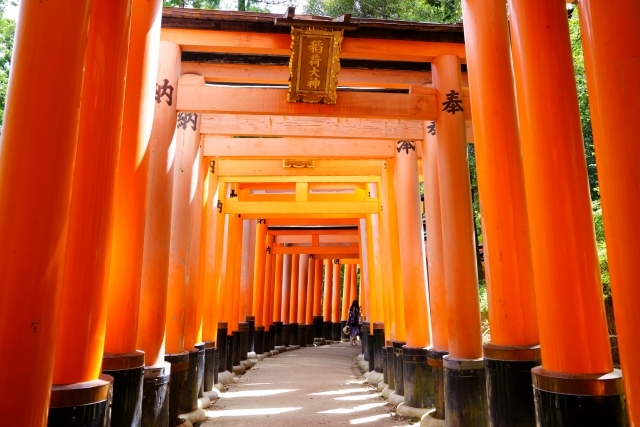
Fushimi Inari Taisha is the head shrine of Inari, the Shinto god of rice, prosperity, and fertility. With origins tracing back to 711 AD, its historical significance is profound, symbolizing hope, gratitude, and success. The shrine is famed for its thousands of vermilion torii gates, which create an enchanting path through the forest, leading up the sacred Mount Inari. This iconic torii gate tunnel, known as Senbon Torii, offers a mesmerizing experience, making it a photographer’s dream and a must-visit for travelers.
Visitors embark on a spiritual journey, exploring the shrine’s numerous sub-shrines and fox statues, believed to be Inari’s messengers. The hike to the mountain summit unfolds scenic vistas and tranquil spots, ideal for reflection. Along the way, traditional tea houses offer rest and refreshment, serving local delicacies like inari sushi, a nod to the shrine’s deity.
The best times to visit are early morning or late afternoon to avoid crowds and experience the serene beauty of the shrine in softer light. Night visits present a different charm, with lanterns illuminating the path, creating a mystical atmosphere.
Engaging in local customs, such as making offerings or purchasing a fox-shaped ema (wooden wish plaque), connects visitors with the shrine’s cultural heritage. Annual festivals, like the Inari Matsuri, provide a deeper insight into Kyoto’s traditions and the shrine’s role in local life.
Fushimi Inari Taisha is not just a site of religious importance; it’s a cultural landmark that captivates with its beauty, history, and spiritual ambiance, offering a unique glimpse into Japanese tradition and beliefs.
Arashiyama Bamboo Grove
- Address: Sagaogurayama Tabuchiyamacho, Ukyo Ward, Kyoto, 616-0007, Japan
- Opening Hours: Always Open
- Closing Days: NA
- Admission: Free
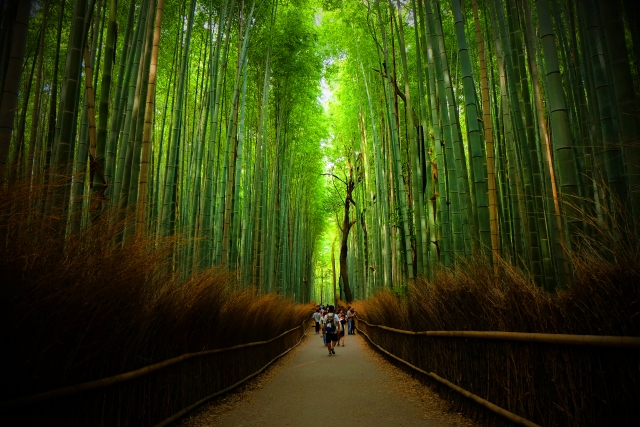
The Arashiyama Bamboo Grove, located on the outskirts of Kyoto, offers a breathtaking natural landscape that has captivated visitors for centuries. This enchanting forest is a pathway through towering bamboo stalks, which sway gracefully with the wind, creating a serene and almost otherworldly atmosphere. The history of Arashiyama dates back to the Heian Period (794-1185), where it was a favored retreat for the nobility, renowned for its natural beauty and tranquil ambiance.
Walking through the bamboo grove, visitors are enveloped in a cool green light, with the sun peeking through the dense canopy above. The path leads to several temples and shrines, adding a spiritual dimension to the natural beauty. Among these is the Nonomiya Shrine, known for its ties to ancient imperial princesses and a popular spot for those seeking good fortune in love and marriage.
The best way to enjoy the Arashiyama Bamboo Grove is by visiting early in the morning or late in the afternoon to avoid the crowds and fully immerse in the tranquility of the forest. The rustling of the bamboo leaves, often described as a whispering, adds to the mystical experience of the grove.
Photography enthusiasts will find the grove a dream location, offering a natural tunnel of bamboo that seems to extend infinitely. The area is also popular for rickshaw rides, offering a unique perspective of the grove and the surrounding Arashiyama area, rich in historical and cultural attractions.
The Arashiyama Bamboo Grove stands as a testament to Japan’s appreciation of natural beauty, intertwined with history and culture, offering a peaceful retreat and a reminder of the serene majesty of nature.
Kiyomizu-dera Temple
- Address: 294 Kiyomizu 1-chome, Higashiyama Ward, Kyoto, 605-0862, Japan
- Opening Hours: 6:00 AM – 6:00 PM
- Closing Days: NA
- Admission: ¥400
- Official Website: Kiyomizu-dera Temple
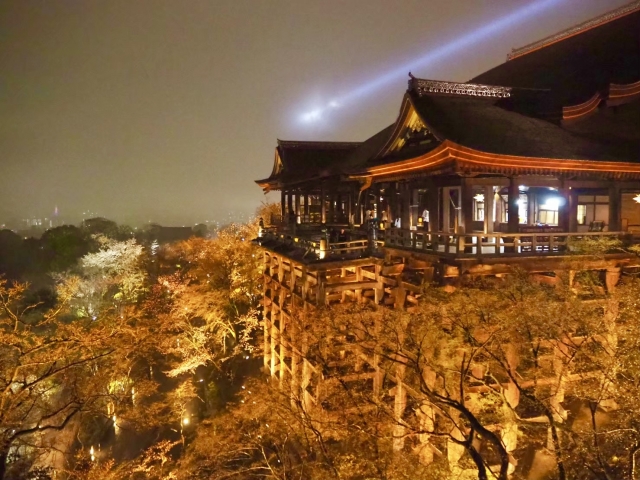
Kiyomizu-dera Temple, a historic Buddhist temple is renowned for its wooden stage that juts out from the main hall, 13 meters above the hillside below. Founded in the late 8th century during the Heian Period, it is dedicated to Kannon, the Goddess of Mercy. A UNESCO World Heritage Site, the temple is an epitome of ancient Japanese architecture, built without the use of nails. The name Kiyomizu-dera, meaning “Pure Water Temple,” is derived from the Otowa Waterfall running beneath the temple, whose waters are believed to have healing properties.
The temple complex offers stunning views of Kyoto, especially breathtaking during the cherry blossom season in spring and the fiery colors of autumn. The main hall, or Hondo, supported by hundreds of wooden pillars, provides a magnificent vantage point for these seasonal views. Jishu Shrine, located within the temple grounds, is dedicated to Okuninushi, a deity of love and matchmaking, making it a popular spot among those seeking romantic fortunes.
Visitors to Kiyomizu-dera can enjoy the serene ambiance by participating in various temple activities, such as purification at the waterfall where you can drink for health, longevity, and success in studies. The temple’s approach is lined with shops selling Kyoto handicrafts and traditional snacks, offering a taste of local culture.
For a memorable experience, visit at sunset when the temple and city are bathed in a golden glow. The temple also hosts special night illuminations during spring and fall, further enhancing its beauty and the surrounding landscapes.
Kiyomizu-dera Temple remains a symbol of endurance and faith, inviting visitors to reflect on its rich history and spiritual significance while enjoying the natural and architectural beauty it has to offer.
Gion District
- Address: Gion, Higashiyama Ward, Kyoto, Japan
- Opening Hours: Always Open
- Closing Days: NA
- Admission: Free
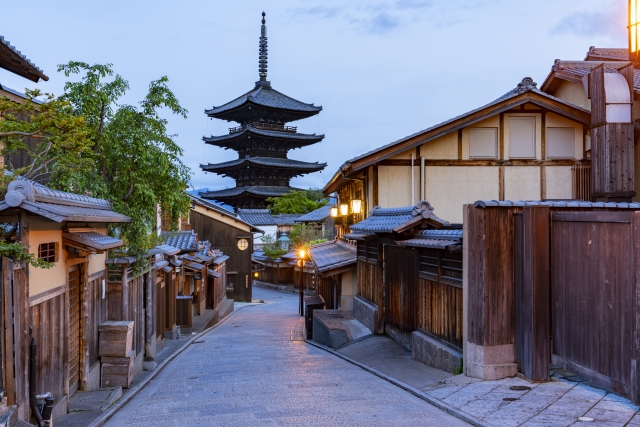
Gion District, the heart of Kyoto’s geisha culture, stands as a living museum where the traditional Japanese entertainment of geiko (Kyoto dialect for geisha) and maiko (apprentice geisha) flourishes amidst the modern cityscape. Gion’s history stretches back to the Middle Ages, originally developed to accommodate the needs of travelers and visitors to Yasaka Shrine. Over centuries, it evolved into one of the most exclusive and well-known geisha districts in Japan.
Walking through the historic streets of Gion, visitors are transported back in time, thanks to its well-preserved machiya (merchant houses) and teahouses (ochaya), where geiko and maiko entertain guests with dances, songs, and games. The district is also home to several cultural attractions, including Yasaka Shrine, known for its Gion Matsuri festival, one of Japan’s most famous festivals held in July.
To truly enjoy Gion, visitors should explore its alleys during the evening when the lanterns are lit, and the area comes alive with a mysterious charm. It’s also the best time to possibly catch a glimpse of a geiko or maiko on their way to work. For a deeper understanding of the geisha culture, consider booking a private dinner or performance in one of the exclusive teahouses, although this often requires an introduction from an existing client.
Visitors can also enjoy traditional Kyoto cuisine in the district’s many restaurants and teahouses, which offer kaiseki ryori, a multi-course meal showcasing the best of local and seasonal ingredients.
For a more casual experience, Gion’s bustling streets are filled with shops selling Kyoto handicrafts, souvenirs, and sweets. Joining a walking tour can provide insightful stories and secrets of the district, enhancing the visit with historical context and cultural nuances.
Gion remains a fascinating district where the allure of old Kyoto is preserved, offering visitors a glimpse into the traditional arts and way of life that has been maintained for centuries.
Nijo Castle
- Address: 541 Nijojocho, Nakagyo Ward, Kyoto, 604-8301, Japan
- Opening Hours: 8:45 AM – 5:00 PM
- Closing Days: NA
- Admission: ¥1,300
- Official Website: Nijo Castle
Nijo Castle, a pivotal monument in Japan’s historical tapestry, stands majestically in the heart of Kyoto, embodying the political and military prowess of the Tokugawa shogunate during the Edo period. Constructed in 1603 as the Kyoto residence of Tokugawa Ieyasu, the first shogun of the Edo period, Nijo Castle is renowned for its magnificent architecture, elaborate gardens, and profound historical significance, being designated as a UNESCO World Heritage site in 1994.
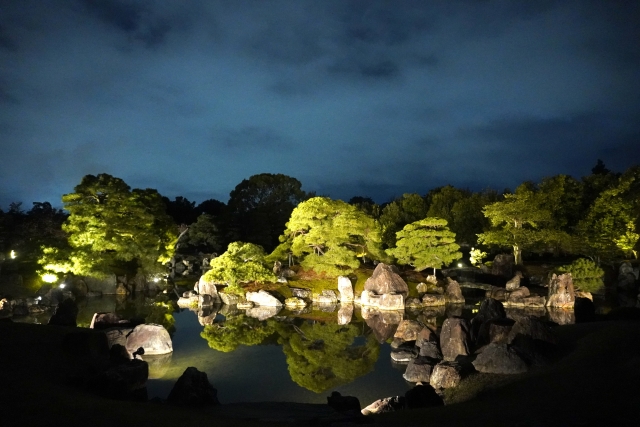
The castle’s expansive grounds are divided into two primary concentric rings, consisting of the Ninomaru Palace, the Honmaru Palace, and various support buildings and gardens. The Ninomaru Palace, the main attraction, is famous for its exquisite fusuma paintings, intricate wood carvings, and the “nightingale floors” (uguisubari) designed to chirp like birds when walked upon, serving as a security measure against intruders.
Exploring Nijo Castle offers a deep dive into feudal Japan’s culture and aesthetics. The castle’s gardens, designed by the renowned landscape architect and tea master Kobori Enshu, feature classic Japanese garden elements such as manicured trees, stone lanterns, and tranquil ponds, offering a serene escape from the modern world.
Visitors can enjoy Nijo Castle throughout the year, with each season offering a unique perspective of its beauty—cherry blossoms in spring, verdant greens in summer, vibrant foliage in autumn, and a serene snowscape in winter. The castle also hosts various cultural events, including art exhibitions and traditional Japanese performances, allowing visitors to immerse themselves in Japan’s rich cultural heritage.
For an enriching experience, consider joining a guided tour to gain insights into the castle’s history, architecture, and the pivotal role it played in the transition from the feudal shogunate era to the modern Meiji government. Nijo Castle stands not just as a monument of Japan’s feudal past but as a testament to the country’s ability to harmonize history and modernity, making it an essential visit for anyone seeking to understand Japan’s complex history and cultural depth.
Kyoto Imperial Palace
- Address: 3 Kyotogyoen, Kamigyo Ward, Kyoto, 602-0881, Japan
- Opening Hours: 9:00 AM – 4:00 PM
- Closing Days: Mondays and Tuesdays
- Admission: Free
- Official Website: Kyoto Imperial Palace
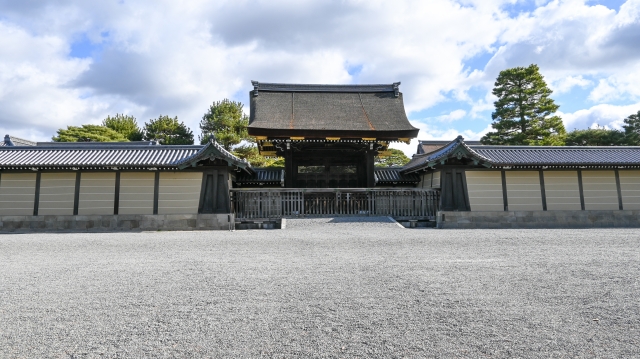
The Kyoto Imperial Palace, encapsulated within the lush expanses of the Kyoto Imperial Park in the heart of Kyoto, serves as a significant emblem of Japan’s imperial lineage and cultural heritage. Established in its current location in the late 19th century, after many reconstructions due to fires, this palace has been the residence of Japan’s Imperial Family until the capital was moved to Tokyo in 1869.
Spanning several centuries, the history of the Kyoto Imperial Palace is intricately tied to the cultural and political shifts within Japan, mirroring the nation’s transition from feudalism to the modern era. The palace architecture, with its minimalist aesthetic and emphasis on harmony with nature, reflects the quintessential Japanese architectural style, particularly the Heian period’s influence.
The palace complex is home to numerous buildings, including the Shishinden (Ceremonial Hall), where important ceremonies like enthronement were conducted, and the Seiryo-den (the Emperor’s living quarters), among others. Each structure within the palace grounds showcases traditional Japanese architecture’s elegance and the Imperial family’s lifestyle over the ages.
Visitors to the Kyoto Imperial Palace can enjoy guided tours that delve into the palace’s architectural intricacies, the historical context of each building, and the Imperial ceremonies. The surrounding gardens offer a tranquil retreat with beautifully manicured lawns, traditional Japanese gardens, and a variety of flora that change with the seasons, providing a picturesque backdrop for leisurely walks.
While the palace interior is only open to the public on special occasions, the Kyoto Imperial Palace remains a compelling destination for those interested in Japan’s Imperial history and architecture. It provides a unique window into the ceremonial aspects of the Japanese Imperial court and the opportunity to appreciate the serene beauty that characterizes much of Japan’s cultural heritage. The Kyoto Imperial Palace not only stands as a testament to Japan’s rich history but also as a symbol of continuity and tradition in the face of modernity, making it an essential visit for anyone seeking to comprehend the depth of Japan’s cultural and imperial history.
Nishiki Market
Address: Nishiki Market, Nakagyo Ward, Kyoto, 604-8054, Japan
Opening Hours: 9:00 AM – 6:00 PM (Varies by shop)
Closing Days: None
Admission: Free
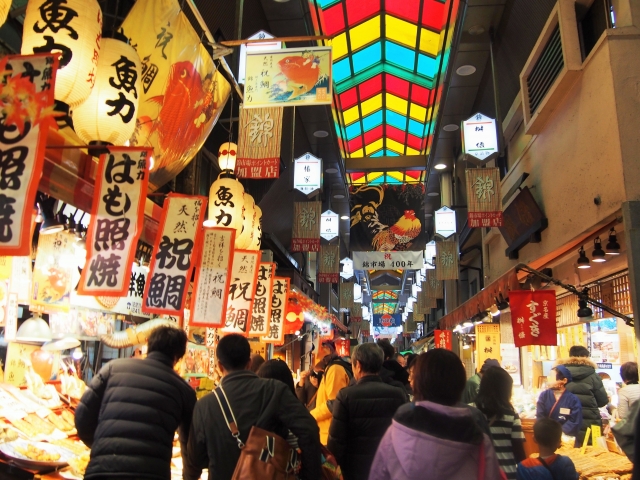
Kyoto Nishiki Market, often dubbed “Kyoto’s Kitchen,” is a vibrant narrow alleyway teeming with more than one hundred shops and restaurants that epitomize the culinary culture of Kyoto. This bustling marketplace has a history that stretches back over 400 years, serving as a crucial spot for both locals and tourists to explore the richness of Kyoto’s gastronomy.
The market originated as a wholesale fish district in the 16th century, with its evolution into a diverse culinary market reflecting changes in Japanese cuisine and food culture. Today, Nishiki Market offers an extensive array of food items, including fresh seafood, seasonal produce, Kyoto specialties like pickles and tofu, and other Japanese delicacies. Its long history is evident in some stalls that have been operated by the same families for generations, offering traditional Kyoto foods and contributing to the market’s reputation as the heart of Kyoto’s culinary scene.
Visitors to Nishiki Market can indulge in a sensory feast as they wander through the tightly packed lanes, tasting a variety of street food, from savory snacks like yakitori and tamagoyaki to sweet treats like mochi and matcha-flavored desserts. The market is not only a place to eat but also to learn about Kyoto’s food culture, with many vendors offering insights into the preparation and history of their offerings.
Exploring Nishiki Market is an exercise in cultural immersion, offering a glimpse into the daily lives of Kyoto residents and the city’s deep culinary traditions. It’s a place where one can witness the meticulous care Japanese cuisine is known for, from the selection of ingredients to the presentation of dishes. Additionally, the market is an excellent spot for picking up unique Kyoto souvenirs, such as specialty teas, spices, and handmade kitchenware.
For those looking to dive deeper into Kyoto’s culinary world, Nishiki Market is an unmissable destination. It’s recommended to visit with an appetite and an open mind, ready to try new flavors and engage with the vendors. The best way to enjoy Nishiki Market is by slowly meandering through, sampling small bites from various stalls, and soaking in the vibrant atmosphere that has made this market a beloved institution in Kyoto for centuries.
Kyoto International Manga Museum
- Address: 452 Kinbukicho, Nakagyo Ward, Kyoto, 604-0846
- Opening Hours: 10:30 AM – 5:30 PM
- Closing Days: Wednesdays
- Admission: ¥900
- Official Website: Kyoto International Manga Museum
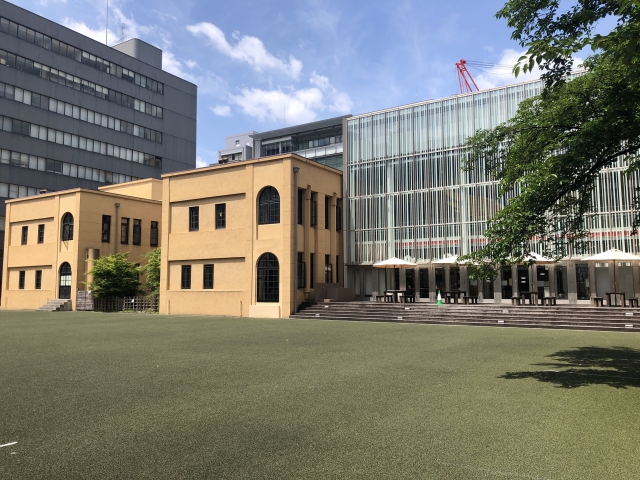
The Kyoto International Manga Museum stands as a testament to the cultural significance and global influence of manga. This unique museum, which opened its doors in November 2006, is housed in a historic building that was formerly Tatsuike Elementary School. It has since been transformed into a comprehensive center dedicated to the collection, preservation, and exhibition of manga from Japan and around the world, boasting a staggering collection of over 300,000 items that span the history of manga from its origins to contemporary works.
The museum’s history is deeply intertwined with Kyoto’s dedication to preserving and promoting Japanese arts and culture. It was established as a joint project between Kyoto City and Kyoto Seika University, with the aim of creating a new cultural attraction that reflects the city’s rich heritage while embracing modern creativity. The museum not only serves as a repository of manga but also operates as a research facility, offering insights into the manga industry, its history, and its cultural implications.
Visitors to the Kyoto International Manga Museum are invited to explore three floors of exhibition space, where they can find everything from classic manga series to experimental indie publications. One of the museum’s highlights is the Wall of Manga, an impressive display that allows guests to pick up and read any of the thousands of manga volumes lining the shelves. This hands-on approach encourages visitors to immerse themselves in the world of manga, discovering new titles and revisiting old favorites.
The museum also hosts a variety of exhibitions, workshops, and events that delve into the art and craft of manga creation, featuring both well-known manga artists and up-and-coming talents. These activities offer a deeper understanding of manga as an art form and its role in societal commentary and storytelling.
Moreover, the Kyoto International Manga Museum provides educational programs and resources, making it an invaluable asset for scholars, artists, and fans alike. It’s a place where international visitors can appreciate the global impact of manga and its role in bridging cultures.
To fully enjoy the Kyoto International Manga Museum, visitors should allot ample time to wander through the extensive collections, participate in interactive exhibits, and perhaps even take part in a manga drawing workshop. Whether you’re a manga aficionado or new to the genre, the museum offers a comprehensive overview of manga’s evolution and its enduring appeal across generations and borders.
Philosopher’s Path
- Address: Between Ginkaku-ji Temple and Nanzen-ji Temple, Kyoto, Japan
- Opening Hours: Always Open
- Closing Days: NA
- Admission: NA
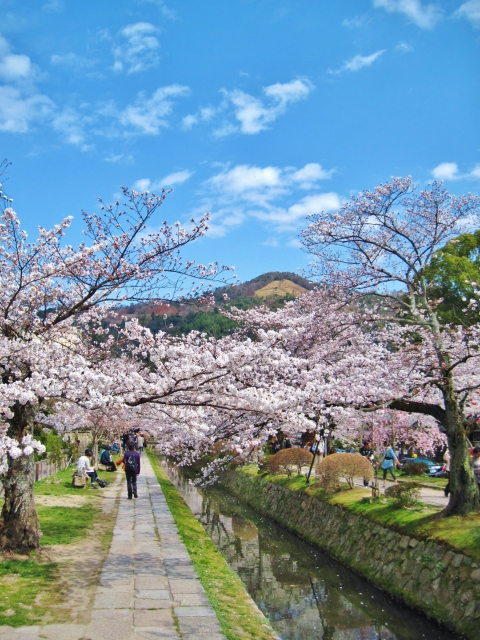
The Philosopher’s Path, or Tetsugaku-no-michi in Japanese, is a picturesque pedestrian path in Kyoto that follows a canal lined with hundreds of cherry trees. Stretching approximately two kilometers, this serene path connects the Silver Pavilion (Ginkaku-ji) with the neighborhood of Nanzen-ji, passing through the quaint district of Higashiyama. The path owes its name to Nishida Kitaro, one of Japan’s most famous philosophers, who is said to have used this route for daily meditation walks during his tenure at Kyoto University.
Historically, the path’s area has been a place of reflection and natural beauty, appealing to scholars and monks from the nearby temples for centuries. It was only after World War II that it became known as the Philosopher’s Path, attracting not just philosophers but anyone seeking peace and inspiration. Today, it’s a favorite spot for locals and tourists alike, especially in early spring when the cherry blossoms bloom, creating a spectacular tunnel of flowers over the water.
Visitors to the Philosopher’s Path can enjoy a leisurely stroll while exploring small temples, shrines, and cafes along the way. The path also offers a unique glimpse into Kyoto’s traditional side, with well-preserved old houses and non-commercialized pockets that provide a quiet escape from the city’s busier districts. Spring, with its cherry blossoms, and autumn, with its colorful foliage, are particularly magical times to visit, though the path offers a tranquil experience year-round.
Beyond the beauty of its natural surroundings, the Philosopher’s Path is dotted with attractions such as Honen-in Temple, known for its beautiful moss gardens and tranquil atmosphere, and Anraku-ji Temple, housing unique Buddhist statues. Art galleries and craft shops along the route offer the chance to appreciate local craftsmanship, making it a perfect spot for those looking to immerse themselves in Kyoto’s rich cultural tapestry.
For those wanting to experience the Philosopher’s Path, it’s advisable to start early in the day to enjoy a more solitary walk. The path’s tranquility and scenic beauty make it an ideal setting for reflection and relaxation, embodying the essence of Kyoto’s philosophical and aesthetic values. Whether you’re a philosopher at heart, a lover of nature, or simply in search of a peaceful walk, the Philosopher’s Path is a must-visit for anyone looking to experience the quieter, more contemplative side of Kyoto.
With its rich history, stunning architecture, and natural beauty, Kyoto offers a treasure trove of experiences for first-time visitors. Whether you’re exploring ancient temples, wandering through historic districts, or savoring local delicacies, Kyoto’s timeless charm will leave a lasting impression on your heart and soul. So come and discover the magic of Kyoto, where the past meets the present in perfect harmony.