

Gunma Prefecture, nestled in the heart of Japan’s Kanto region, is a sanctuary of natural beauty, hot springs (onsen), and rich history waiting to be explored. With its accessible location from Tokyo, Gunma offers a perfect escape into nature, traditional Japanese culture, and rejuvenating hot springs. Here are seven must-visit spots in Gunma Prefecture that promise an enriching and unforgettable experience.
Kusatsu Onsen
- Address: Kusatsu, Agatsuma District, Gunma Prefecture, Japan
- Business Hours: Open 24/7
- Closed Days: N/A
- Usage Fee: Free for public baths; private onsen price varies from ¥800 – ¥1,500
- Website URL: Kusatsu Onsen
Kusatsu Onsen is one of the country’s most famous hot spring resorts, renowned for its rich history, therapeutic waters, and the traditional charm that pervades the town. The hot springs of Kusatsu have been celebrated for their healing properties for centuries, with records of their use dating back to the Edo period. The waters are highly acidic, believed to cure a wide array of ailments, making Kusatsu Onsen a favored destination for those seeking both relaxation and healing.
The history of Kusatsu Onsen is intertwined with many notable figures, including Dr. Erwin von Baelz, a German physician who served at the imperial court in the late 19th century and praised the medicinal qualities of the springs. The town has since developed around its onsen, with numerous baths, ryokan (traditional inns), and public bathing facilities that utilize the naturally hot water flowing from the earth.
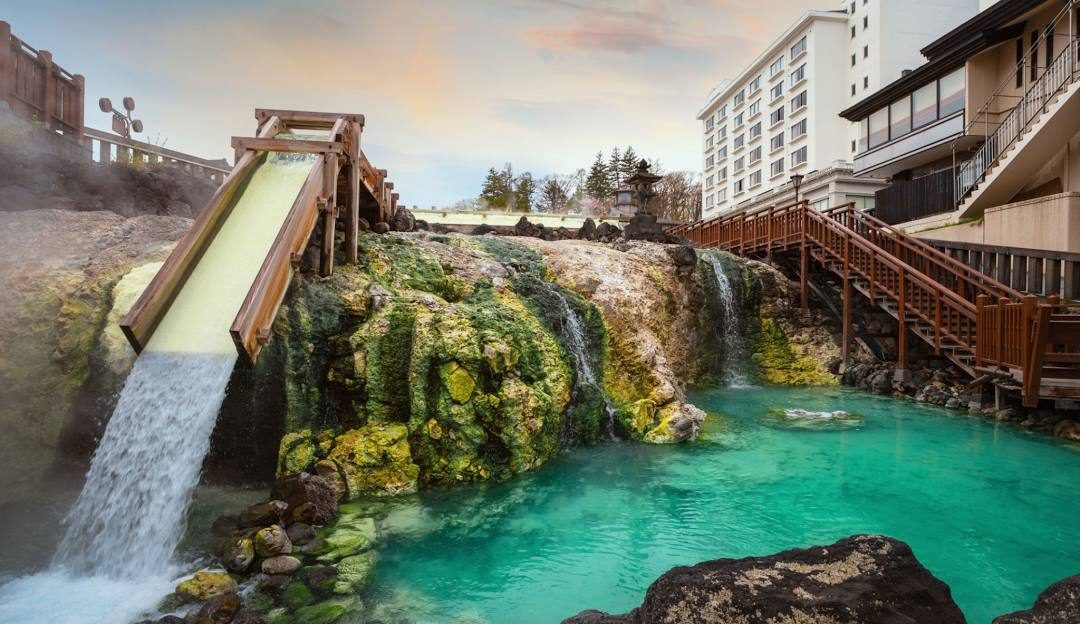
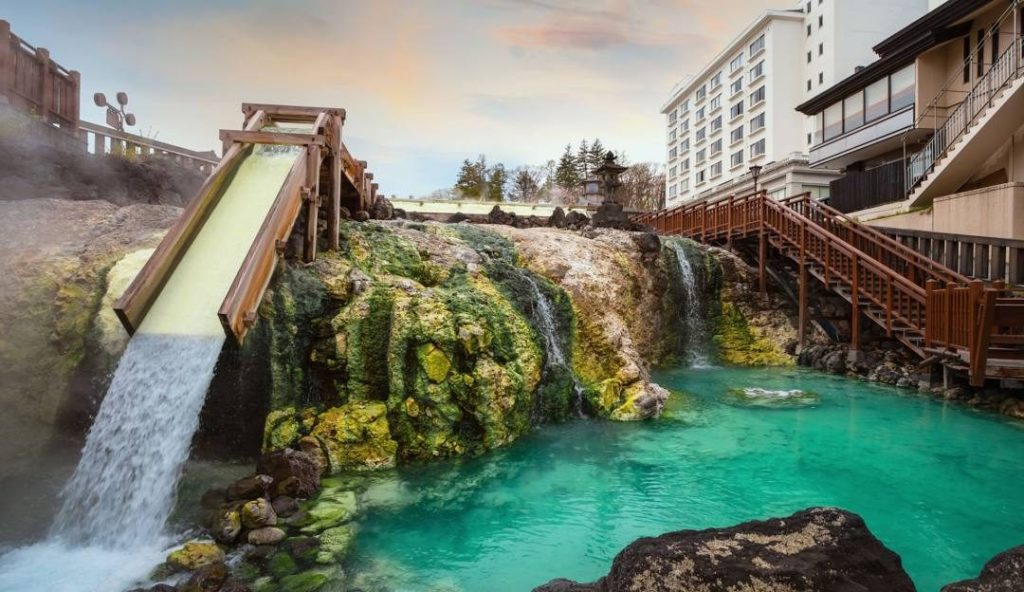
Attractions in Kusatsu Onsen extend beyond its famed waters. The Yubatake (‘hot water field’) is the symbolic heart of the town, a large pool where hot water cools before being distributed to various bathhouses, creating a picturesque steamy landscape, especially enchanting at night. The Sainokawara Park offers an outdoor bathing experience amidst nature, while the Netsunoyu facility showcases the traditional yumomi method of cooling down the hot spring water, a performance that combines history with entertainment.
Insider Tip:
- For an authentic experience, visit the public bathhouses where you can enjoy the communal aspect of onsen culture. Also, consider exploring the town’s backstreets for quaint shops and local eateries that offer a taste of Kusatsu’s culinary delights.
Kusatsu Onsen remains a quintessential Japanese onsen experience, offering a blend of natural beauty, wellness, and tradition amidst the serene highlands of Gunma.
Tomioka Silk Mill
- Address: 1-1 Tomioka, Gunma 370-2316, Japan
- Business Hours: 9:00 AM – 5:00 PM
- Closed Days: December 29 to January 1
- Usage Fee: ¥1,000 for adults
- Website URL: Tomioka Silk Mill
Tomioka Silk Mill stands as a monument to Japan’s rapid industrialization and its entry into the global market. Established in 1872, this historic silk mill is recognized as the first modern silk-reeling factory in Japan, playing a pivotal role in transforming the country into a leading exporter of silk, which was highly prized in international markets. In recognition of its historical and cultural significance, the Tomioka Silk Mill was inscribed as a UNESCO World Heritage site in 2014.
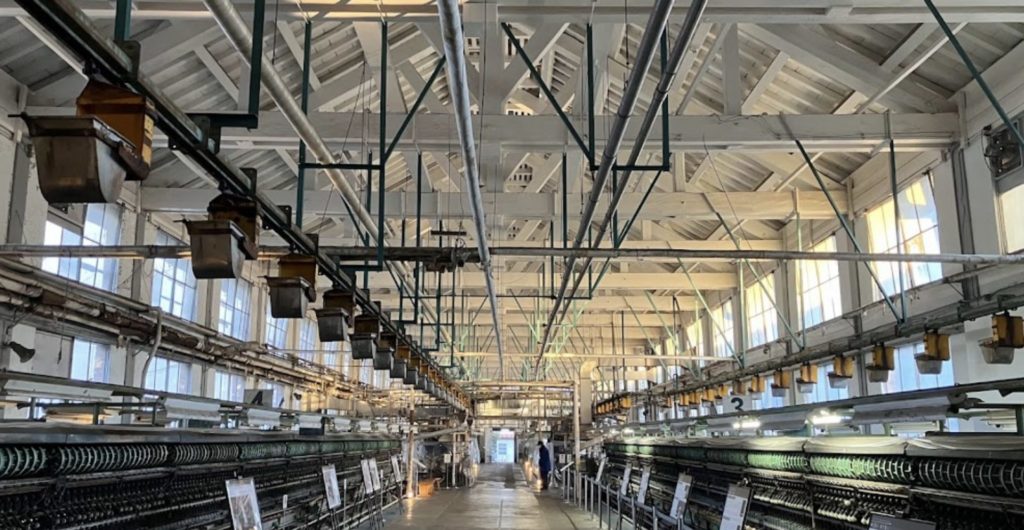
The mill’s architecture and machinery, much of which remains intact and operational, offer a fascinating glimpse into the technological advancements of the Meiji Era. Visitors can explore the main reeling factory, the cocoon warehouse, and the residences of French and Japanese workers, gaining insights into the working conditions and the fusion of Western and Japanese silk production techniques.
Attractions at the Tomioka Silk Mill include guided tours that delve into the history of the silk industry in Japan, the role of the mill in the local community, and the process of silk production from cocoon to thread. The site also hosts various exhibitions and educational programs, making it an informative visit for those interested in industrial heritage and technology.
Insider Tip:
- For a comprehensive experience, consider joining a guided tour offered by the museum. These tours provide detailed explanations of the silk-making process and the historical context of the mill’s operation, enhancing the visit. Additionally, spring is a particularly beautiful time to explore the surrounding area, with cherry blossoms adding to the site’s scenic beauty.
Mount Haruna (Harunasan)
- Address: Harunasan, Takasaki, Gunma Prefecture, Japan
- Business Hours: Open 24/7
- Closed Days: N/A
- Usage Fee: Free; fees apply for boat rentals and other activities
- Website URL: Harunasan
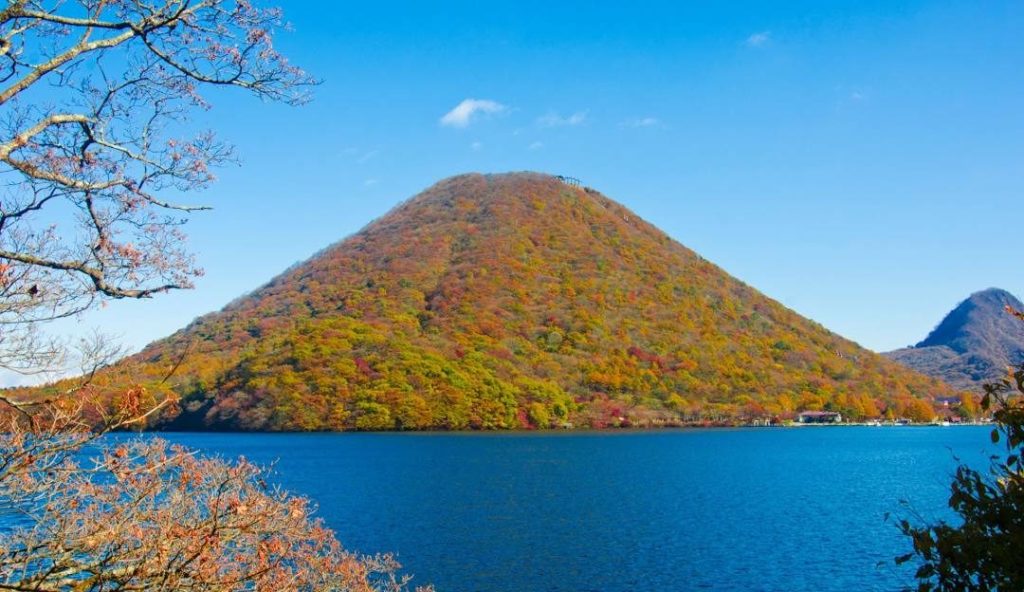
Mount Haruna is a dormant volcano that forms part of the Three Mountains of Jomo, along with Mount Akagi and Mount Myogi. Known for its picturesque Lake Haruna (Haruna-ko) and the Haruna Shrine, the mountain offers a blend of natural beauty, historical significance, and recreational activities, making it a popular destination throughout the year.
Historically, Mount Haruna has been a site of religious importance, with the Haruna Shrine dating back over 1,400 years. The shrine, nestled within the dense forests of the mountain, is dedicated to the gods of water, agriculture, and navigation, reflecting the area’s deep spiritual roots. The lake, formed in the caldera of the volcano, adds to the scenic allure of Mount Haruna, with its clear waters and surrounding volcanic landscape offering a tranquil retreat.
Attractions at Mount Haruna include boating and fishing in Lake Haruna, hiking trails that wind through the volcanic terrain, and the panoramic views from the Haruna Fuji observation point. During winter, the Haruna Fuji Ski Resort becomes a haven for skiing and snowboarding enthusiasts, while the autumn months draw visitors for the spectacular foliage.
Insider Tip:
- For the best views of the surrounding landscape, visit the Haruna Shrine early in the morning when the mist often envelops the forest, creating a mystical atmosphere. Additionally, the drive up to Lake Haruna is particularly beautiful in autumn when the changing leaves provide a colorful backdrop to the journey.
Mount Haruna offers visitors a chance to immerse themselves in the beauty of Japan’s natural landscapes, with opportunities for both adventure and contemplation amidst its volcanic peaks and serene lake.
Ikaho Onsen
- Address: Ikaho, Shibukawa, Gunma Prefecture, Japan
- Business Hours: Open 24/7
- Closed Days: N/A
- Usage Fee: Free for public footbaths; private onsen price vary from from ¥400 – ¥1,500
- Website URL: Shibukawa Ikaho Onsen Tourism Association
Ikaho Onsen, nestled on the slopes of Mount Haruna, is a historic hot spring town known for its therapeutic waters and charming, traditional atmosphere. With a history dating back over 1,200 years, Ikaho Onsen has been a beloved retreat for many, including samurai, literati, and travelers seeking solace and rejuvenation in its iron-rich, reddish-brown hot spring waters.
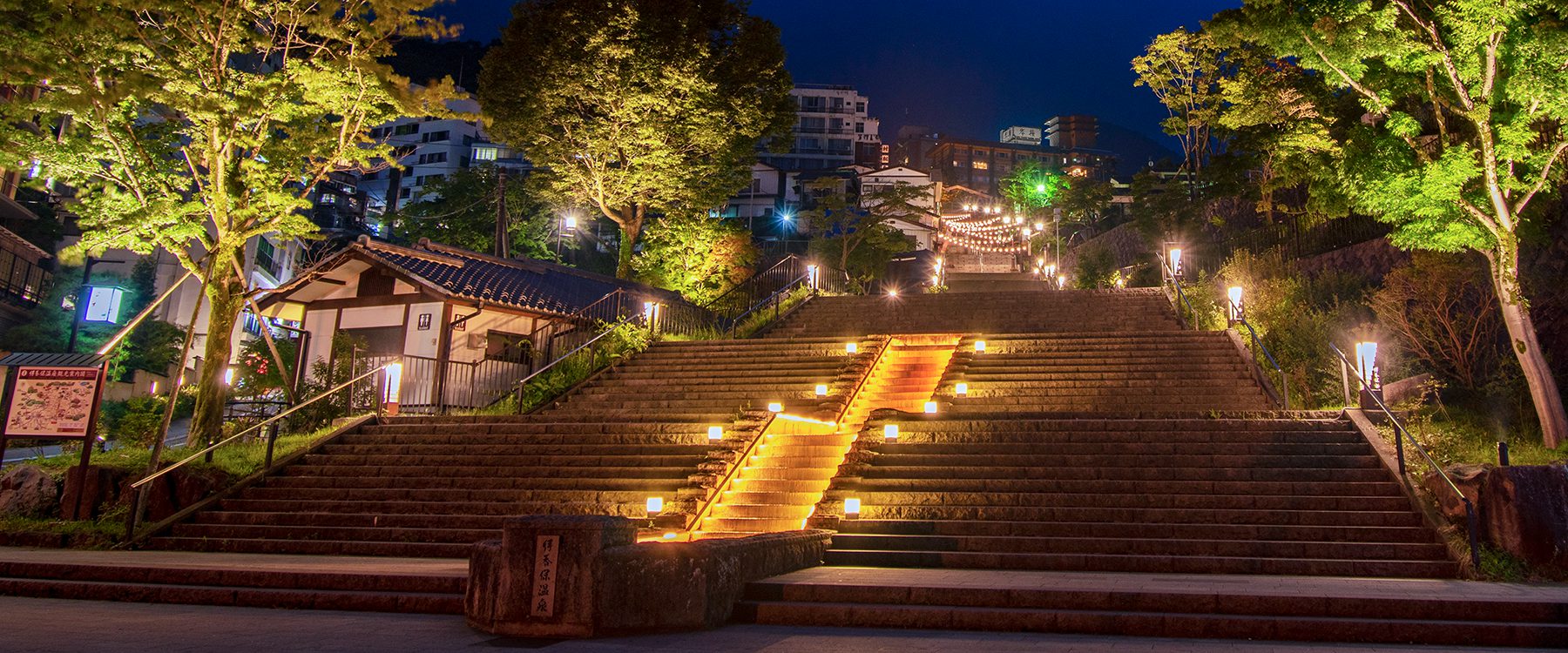
Central to Ikaho’s appeal is the iconic Stone Stairway, a set of 365 steps lined with shops, ryokan (traditional inns), and eateries, leading up to the Ikaho Shrine. This picturesque pathway divides the town into the upper and lower areas, each offering distinct experiences of the onsen culture.
Attractions at Ikaho Onsen include the many public baths and ryokan where visitors can experience the hot springs, as well as the Ikaho Green Bokujo, a ranch offering family-friendly activities and beautiful views of the surrounding mountains. The Mizusawa Temple, known for its Kannon statue and delicious udon noodles, is also nearby, adding a cultural dimension to the visit.
Insider Tip:
- For a unique experience, visit during the autumn months when the changing leaves add a spectacular backdrop to the Stone Stairway and the town’s traditional architecture.
Ikaho Onsen remains a quintessential Japanese hot spring destination, offering a blend of relaxation, history, and cultural experiences set against the backdrop of Gunma’s lush landscapes.
Fukiware Falls
- Address: Fukiware, Numata, Gunma Prefecture, Japan
- Business Hours: Open 24/7
- Closed Days: N/A
- Usage Fee: Free
- Website URL: Fukiware Falls
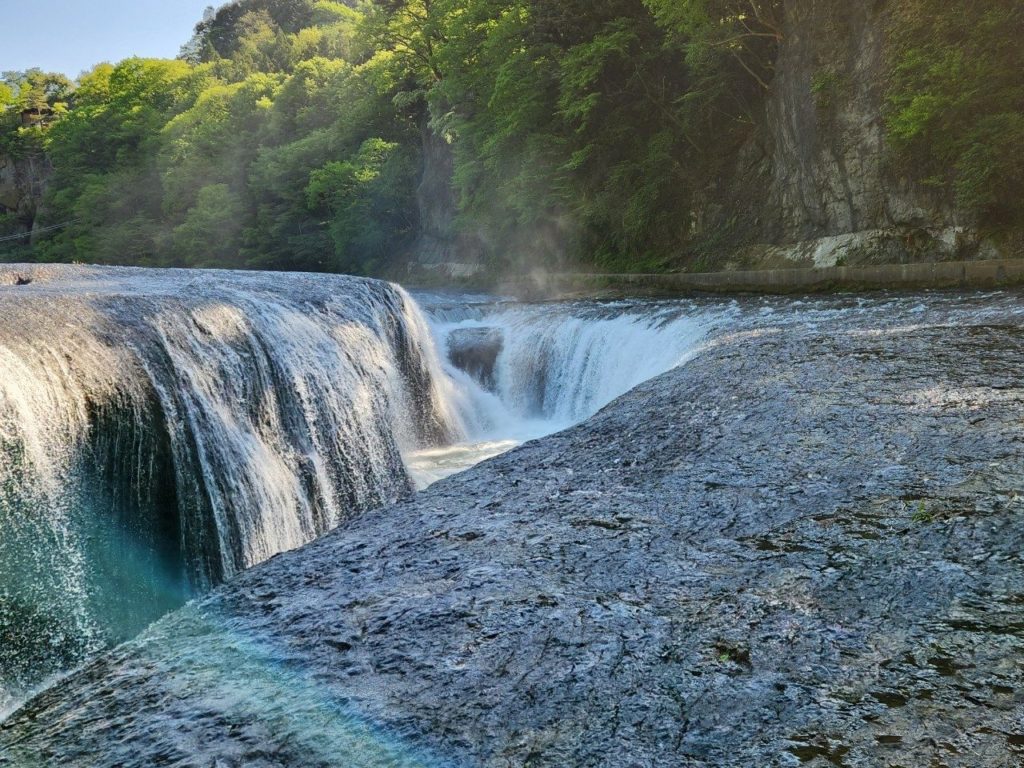
Fukiware Falls, often referred to as the “Niagara of Japan,” is a breathtaking natural wonder located in Numata City. This geological marvel, carved by the Katashina River over millennia, showcases a unique horseshoe shape that dramatically splits the river, creating a spectacular cascade of water through a narrow, rocky gorge. The falls are approximately 7 meters high and 30 meters wide, and their beauty is enhanced by the surrounding lush forest and the changing seasons, making it a popular destination for nature lovers and photographers alike.
The attraction of Fukiware Falls lies not just in its stunning visual appeal but also in the accessible walking trails that offer various viewpoints, allowing visitors to experience the power and beauty of the falls up close. The area around the falls is well-maintained, with pathways leading to observation decks for optimal viewing.
Insider Tip:
- Visit Fukiware Falls in late spring or early summer when the snowmelt increases the volume of the water, making the falls even more impressive. Autumn is also a fantastic time to visit, as the changing leaves provide a colorful backdrop to the cascading water.
Fukiware Falls is a natural masterpiece that captures the raw beauty of Japan’s landscape, offering a tranquil and picturesque escape into nature.
Shorinzan Darumaji Temple
- Address: 296 Hanadakamachi, Takasaki, Gunma 370-0852, Japan
- Business Hours: 9:00 AM – 5:00 PM
- Closed Days: Open year-round
- Usage Fee: Free; fees for Daruma doll painting vary
- Website URL: Shorinzan Darumaji
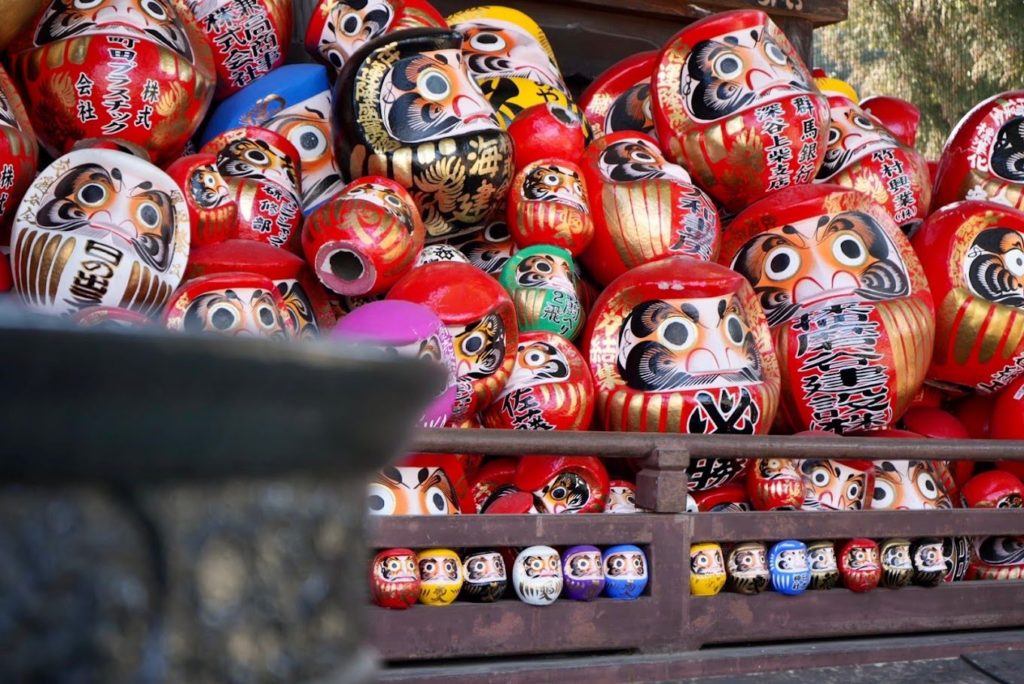
Shorinzan Darumaji Temple, located in Takasaki, is renowned for its association with the Daruma doll, a traditional Japanese symbol of perseverance and good luck. This Buddhist temple, established in the 17th century, has become synonymous with the production and blessing of these distinctive red dolls, which are modeled after Bodhidharma, the founder of Zen Buddhism.
The history of Daruma dolls at Shorinzan Darumaji Temple began when a local priest encouraged farmers to make these dolls as a form of prayer for good crops. Over time, the tradition evolved, and now the dolls are widely recognized as talismans for success in various endeavors. The temple hosts the Daruma Doll Market annually in January, drawing visitors from across Japan who come to purchase new Daruma dolls for the year ahead.
Attractions at Shorinzan Darumaji Temple include the temple grounds, which are peaceful and conducive to reflection. Visitors can admire the intricate architecture of the temple buildings and the hundreds of Daruma dolls displayed, each with its own unique face and design.
Insider Tip:
- Participating in the Daruma Doll Market offers a deeper cultural experience. Arrive early to enjoy the best selection of dolls and to witness the traditional blessing ceremony, where new dolls are consecrated for the coming year.
Shorinzan Darumaji Temple offers a unique insight into Japanese culture and tradition, making it a must-visit for those interested in the spiritual and historical aspects of Japan.
Kajika Bridge
- Address: 586-2 Ikaho, Ikaho-cho, Shibukawa-shi, Gunma 377-0102
- Business Hours: Open 24/7
- Closed Days: N/A
- Usage Fee: Free
- Website URL: Kajika Bridge
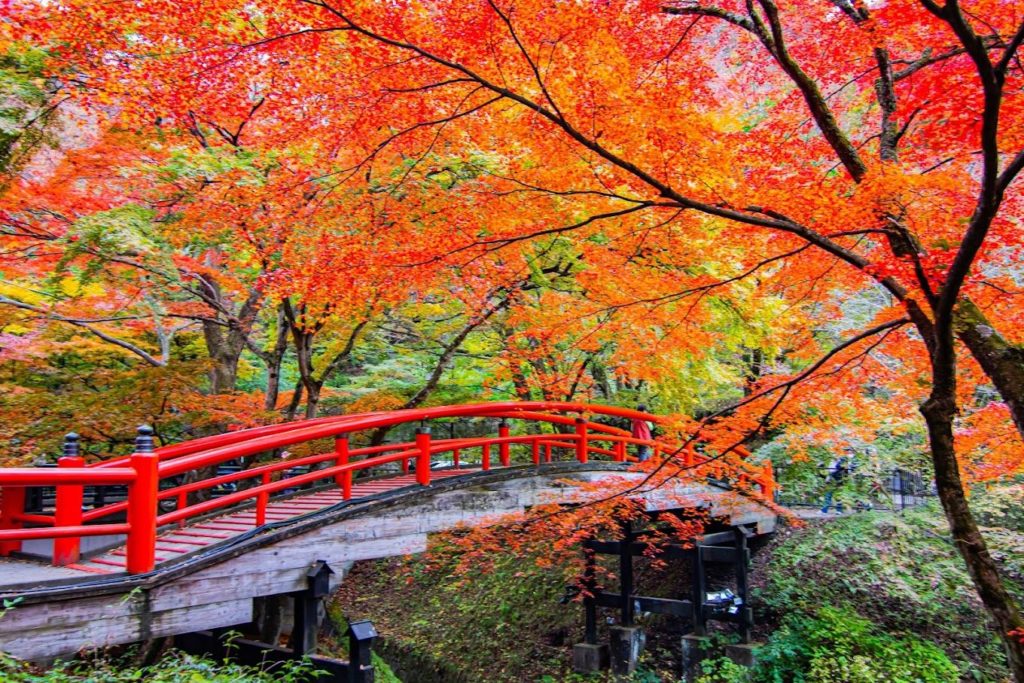
Kajika Bridge is a hidden gem known for its stunning natural beauty and rustic charm. This traditional wooden bridge spans the serene Yubiso River, set against a backdrop of lush mountains and vibrant seasonal colors. Its name, which translates to “Frog Singing Bridge,” hints at the rich natural life that thrives in its vicinity, offering a peaceful retreat for nature lovers and photographers alike.
The history of Kajika Bridge is modest, primarily serving the local community and visitors seeking solace in the beauty of Gunma’s landscapes. Over the years, it has become a favorite spot for those exploring the area’s hot springs, hiking trails, and the scenic wonders of Minakami.
Attractions near Kajika Bridge include the Minakami Onsen, a renowned hot spring destination, and the nearby Tanigawadake Ropeway, which provides breathtaking views of the surrounding mountains. The bridge itself offers a picturesque setting for leisurely walks and moments of reflection, particularly during autumn when the surrounding foliage paints the landscape in vibrant hues.
Insider Tip:
- For the best photographic opportunities, visit during the early morning hours when the mist rises from the river, creating a mystical atmosphere. Additionally, autumn brings a spectacular display of colors, making it an ideal time to capture the bridge’s beauty.
Kajika Bridge, with its serene setting and natural charm, represents the understated beauty of Gunma’s landscapes, inviting visitors to explore and appreciate the quiet wonder of the area.
Gunma Prefecture offers a captivating mix of natural beauty, cultural heritage, and relaxing hot springs that beckon travelers from around the globe. Whether soaking in the therapeutic waters of Kusatsu Onsen, delving into the history of Japan’s silk industry at Tomioka Silk Mill, or marveling at the scenic beauty of Mount Haruna, Gunma provides a diverse array of experiences. Each of these recommended spots showcases the unique charm of Gunma, inviting visitors to explore its lush landscapes, historical sites, and warm hospitality. Whether seeking adventure, relaxation, or cultural enrichment, Gunma Prefecture promises an enriching journey through one of Japan’s most picturesque regions. Remember to check the latest information through official sources before planning your visit, ensuring a memorable and seamless experience in the enchanting landscapes of Gunma.