

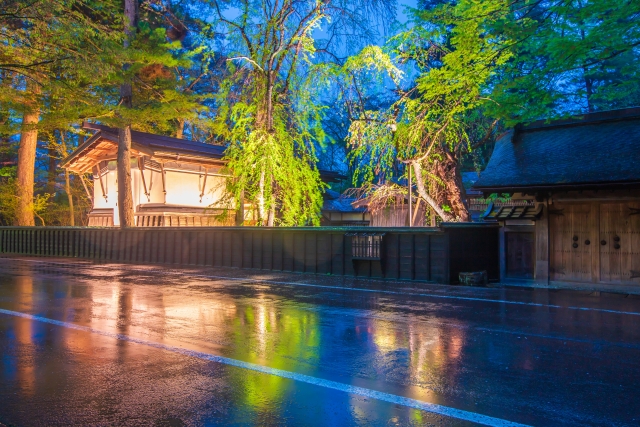
Embark on a captivating journey to Akita Prefecture, a hidden gem in the northern region of Japan, where tradition and nature blend to create a tapestry of unique experiences. With its rich history, stunning landscapes, and deeply rooted cultural festivals, Akita offers an array of destinations that promise to enchant and inspire. From serene lakes and historic samurai districts to vibrant festivals and soothing hot springs, here are seven must-visit spots in Akita that are sure to make your trip unforgettable.
Lake Tazawa

- Location: Tazawako, Semboku City, Akita Prefecture
- Hours: Always open for public access.
- Closed Days: N/A.
- Fee: Free; rental activities have various costs.
- Official Site: Tazawa Lake
Lake Tazawa, located in the Semboku City, holds the distinction of being the deepest lake in the country, with a depth reaching approximately 423 meters. This caldera lake, known for its stunningly clear blue water, presents a picturesque setting that captivates visitors throughout the year. The lake’s allure is not only its natural beauty but also the legends and history that surround it, making it a fascinating destination for both nature lovers and culture enthusiasts.
According to legend, the lake is home to a tragic story of love and sacrifice, centered around a beautiful maiden named Tatsuko. The statue of Tatsuko, gazing eternally over the waters, adds a poignant touch to the scenic beauty of the lake, inviting visitors to delve into the local folklore.
Attractions around Lake Tazawa include the opportunity to enjoy a variety of water sports during the warmer months, such as kayaking and paddleboarding, allowing visitors to experience the lake’s beauty up close. The area also offers cycling paths and hiking trails for those wishing to explore the surrounding landscapes.
One of the notable sites near the lake is the golden statue of Tatsuko, a symbol of the lake’s legend. Additionally, the Gozanoishi Shrine, located on the lake’s shores, is another point of interest, offering peaceful views and a spiritual atmosphere.
Insider Tip:
- For the best experience, visit Lake Tazawa during the autumn months when the surrounding foliage transforms into a vibrant tapestry of colors, creating a breathtaking contrast with the blue of the lake.
Lake Tazawa stands as a testament to the enduring charm of Japan’s natural landscapes, enriched by the depth of its historical and cultural significance.
Kakunodate Samurai District

- Location: Kakunodate, Semboku City, Akita Prefecture
- Hours: The area is open year-round; individual houses may have specific hours.
- Closed Days: Varies by house/museum.
- Fee: Free for walking in the district; entrance fees for houses/museums vary.
- Official Site: Kakunodate Samurai District
Kakunodate Samurai District is a beautifully preserved slice of the Edo period (1603-1868). Often referred to as the “Little Kyoto of Tohoku,” this historic district is renowned for its well-preserved samurai houses and picturesque streets, offering a unique glimpse into the lifestyle of the Japanese warrior class.
Founded in 1620, Kakunodate was established as a castle town, with a distinct social division between the samurai warriors and the common folk. The Samurai District, located in the northern part of the town, has retained much of its historical charm, with several samurai residences still standing as they were hundreds of years ago. These homes, characterized by their elegant gates, earthen walls, and meticulously curated gardens, provide a fascinating look into the architectural and aesthetic sensibilities of Japan’s feudal era.
The charm of Kakunodate lies not only in its architecture but also in the district’s atmospheric beauty, which changes with the seasons. In spring, the area is renowned for its spectacular cherry blossoms, particularly along the Hinokinai River, making it a popular destination for hanami (flower viewing) enthusiasts.
Insider Tip:
- To fully appreciate the historic beauty and tranquility of Kakunodate, consider visiting outside of the peak cherry blossom season. The autumn months offer another visually stunning experience, with the changing foliage providing a vibrant backdrop to the samurai houses. Additionally, many residences are open to the public, so take the opportunity to step inside and explore the traditional interiors and artifacts on display.
Kakunodate Samurai District serves as a timeless reminder of Japan’s rich cultural heritage, offering visitors an immersive experience into the country’s samurai past set against the natural beauty of Akita.
Nyuto Onsen

- Location: Tazawako, Semboku City, Akita Prefecture
- Hours: Varies by onsen.
- Closed Days: Varies; some onsens are closed during the winter months.
- Fee: Varies by onsen; typically ¥600 – ¥1,500 for day guests.
- Official Site: Nyuto Onsen Village
Nuto Onsen is a hidden gem among the country’s numerous hot springs. This onsen (hot spring) village, with a history dating back over 100 years, offers a tranquil retreat for those seeking relaxation and rejuvenation in the heart of nature. Surrounded by lush forests and the pristine waters of the Nuto River, the area is renowned for its healing waters, which are said to have restorative properties for both body and mind.
The history of Nuto Onsen is intertwined with the local community, having served as a communal bathhouse for the residents of the area before gaining popularity as a destination for wellness and relaxation. The onsen water, rich in minerals, is believed to alleviate aches and pains, making it a favored spot for therapeutic bathing.
Attractions at Nuto Onsen go beyond the baths themselves. Visitors can enjoy a variety of outdoor activities, including hiking in the nearby mountains, exploring the scenic beauty of the region, and indulging in the local cuisine, which features Akita’s seasonal produce and specialties.
Insider Tip:
- For an authentic onsen experience, consider staying overnight at one of the traditional ryokan (Japanese inns) in the area. Many of these inns offer private onsen baths, allowing guests to enjoy the hot springs in privacy and comfort. Additionally, visiting during the weekdays or off-peak seasons can provide a more secluded and relaxing experience, away from the crowds.
Nuto Onsen stands as a testament to the enduring appeal of Japan’s hot springs culture, offering a blend of natural beauty, wellness, and traditional hospitality that captivates the heart of every visitor.
Akita Kanto Festival

- Location: Akita City, Akita Prefecture
- Hours: Specific hours for events; typically held in early August.
- Closed Days: N/A.
- Fee: Viewing the festival is free; charges may apply for seating.
- Official Site: Akita Kanto Festival
The Akita Kanto Festival, a vibrant and captivating event held annually from August 3rd to 6th in Akita City, is a stunning spectacle of skill, tradition, and celebration. Marking the peak of summer, this festival is part of the Tanabata season celebrations and is designated as an Important Intangible Folk Cultural Property of Japan. It attracts over a million visitors each year, drawn by the unique and thrilling performances that light up the night sky.
The festival’s history dates back over 270 years, originating as a ritual to pray for a good harvest and to ward off evil spirits. The highlight of the festival is the dazzling display of kanto (long bamboo poles) adorned with lanterns resembling ears of rice, which performers balance on their palms, foreheads, shoulders, and lower backs. These poles, which can reach up to 12 meters in height and weigh over 50 kilograms, illuminate the night, creating a mesmerizing sea of light that symbolizes the hopes for a bountiful harvest.
Attractions include the daytime and nighttime parades, where skilled performers maneuver the kanto through the streets, accompanied by traditional music and chants. The festival also features competitive demonstrations, workshops, and stalls offering local cuisine and crafts, providing a full cultural immersion into the traditions of Akita.
Insider Tip:
- For the best views of the nighttime parade, arrive early to secure a spot along Chuo Dori, the main street of the parade route. Additionally, participating in one of the festival’s workshops offers a hands-on experience with the kanto and a deeper understanding of the festival’s cultural significance.
The Akita Kanto Festival stands as a testament to the community’s resilience and creativity, offering a unique and unforgettable experience that highlights the rich cultural heritage of Akita Prefecture.
Oga Peninsula

- Location: Oga City, Akita Prefecture
- Hours: Varies by attraction.
- Closed Days: Varies; seasonal closures for some attractions.
- Fee: Free for general access; specific attractions like the Namahage Museum have entry fees.
- Official Site: Oga Peninsula
The Oga Peninsula, jutting out into the Sea of Japan from the northwest corner of Akita, is a region of dramatic natural beauty and deep cultural significance. Known for its rugged coastline, dense forests, and hot springs, the peninsula offers a blend of scenic splendor and traditional Japanese folklore, making it a captivating destination for travelers seeking both nature and culture.
Historically, the Oga Peninsula has been revered for its connection to the Namahage legend, a folk tradition where men dressed as deities visit homes to ward off evil spirits and laziness. This tradition, rooted in the peninsula’s villages for centuries, is celebrated annually at the Namahage Festival and is recognized as a significant intangible folk cultural property of Japan.
Attractions on the Oga Peninsula are diverse, ranging from the breathtaking views at the Nyudozaki Point and the dramatic cliffs of the Godaido Lookout to the soothing waters of the Oga Onsen hot springs. The Oga Aquarium GAO offers insights into the marine life of the Sea of Japan, while the Namahage Museum provides a deeper understanding of the peninsula’s unique cultural heritage.
Insider Tip:
- For a truly immersive experience, visit during the Namahage Festival in February, when you can witness the centuries-old ritual in person. Additionally, exploring the peninsula by car allows for greater flexibility to visit its numerous scenic and cultural sites at your own pace.
The Oga Peninsula, with its natural beauty and rich cultural traditions, stands as a testament to the enduring spirit and charm of rural Japan, offering visitors a unique glimpse into the country’s folklore and landscapes.
Shirakami Sanchi

- Location: Northwest Akita Prefecture (extends into Aomori Prefecture)
- Hours: Accessible during daylight hours; specific trails and facilities may have different hours.
- Closed Days: Access might be restricted in winter due to snow.
- Fee: Free access to the park; some facilities or guided tours may charge.
- Official Site: Shirakami Sanchi
Shirakami Sanchi, spanning the border between Aomori and Akita, is an extensive mountain range that boasts one of the world’s largest untouched beech forests. This UNESCO World Heritage site, recognized in 1993 for its pristine ecological value, covers over 130,000 hectares of wilderness, home to a diverse array of flora and fauna, some of which are endemic to the region.
The history of Shirakami Sanchi is as rich and deep as its forests. The area has remained largely untouched by human development, thanks to its rugged terrain, which has historically made access difficult. This isolation has preserved its natural beauty and biodiversity, making it a living laboratory for scientists and a sanctuary for nature lovers.
Attractions in Shirakami Sanchi cater to outdoor enthusiasts with a love for adventure and exploration. The area is crisscrossed with trails that range from gentle walks to challenging hikes, leading to spectacular waterfalls like Anmon Falls, serene lakes, and lookout points with breathtaking views of the surrounding mountains and valleys. The Juniko (“Twelve Lakes”) area, with its mysterious blue pond, Aoike, is particularly popular for its stunning beauty.
Insider Tip:
- To fully experience the beauty of Shirakami Sanchi, visit in the autumn when the forest is ablaze with colors. However, it’s essential to prepare adequately for hiking in this remote area. Ensure you have appropriate gear, inform someone of your itinerary, and check the weather forecast and trail conditions before setting out.
Shirakami Sanchi is not just a destination but a profound experience, offering a deep connection with nature’s untouched beauty and the tranquility of ancient forests.
Senshu Park

- Location: 1, Chiaki Koen, Akita City, Akita Prefecture, 010-0876,
- Hours: Open 24/7.
- Closed Days: N/A.
- Fee: Free; specific attractions within the park may charge.
- Official Site: Senshu Park
Senshu Park is a serene oasis steeped in history and natural beauty. Built on the ruins of Kubota Castle, once the stronghold of the Satake clan in the Edo period, the park today serves as a lush, green space that offers a peaceful retreat from the urban landscape. With its rich past, picturesque scenery, and cultural significance, Senshu Park is a beloved landmark for both locals and visitors.
The history of Senshu Park is intrinsically linked to the legacy of the Satake clan, a powerful samurai family that ruled the region. The remnants of Kubota Castle, including the stone walls and the moats, are still visible, blending seamlessly with the landscaped gardens and wooded areas of the park. A replica of the castle’s turret has been constructed, providing a glimpse into the feudal architecture of the time.
Attractions within Senshu Park include the Satake Historical Material Museum, where visitors can explore the history and artifacts related to the Satake clan and the Akita region. The park is also known for its beautiful cherry blossoms in spring, making it a popular spot for hanami (flower viewing) parties. The serene Omono River runs adjacent to the park, adding to its picturesque charm.
Insider Tip:
- Visit during the autumn months when the foliage transforms the park into a palette of vibrant reds, oranges, and yellows. Additionally, early morning or late afternoon visits offer a more tranquil experience, ideal for photography or quiet reflection by the historic castle ruins.
Senshu Park offers a unique blend of natural beauty, history, and tranquility, making it a must-visit destination for anyone traveling to Akita City.
Akita Prefecture, with its blend of natural beauty, historical depth, and vibrant culture, offers an escape into a part of Japan that many travelers overlook. Each destination provides a unique window into the soul of Akita, inviting adventurers, history buffs, and nature lovers alike to explore and discover. From the serene to the spectacular, Akita’s landscapes and traditions await to tell their stories to those eager to listen.