


Embark on a journey through Aichi Prefecture, a vibrant heartland of Japanese culture, history, and innovation. Nestled in the central region of Honshu, Aichi offers an array of experiences, from the bustling streets of Nagoya to serene landscapes and historical samurai residences. Here are ten must-visit spots in Aichi Prefecture that showcase its diverse attractions, promising unforgettable memories for every traveler.
Nagoya Castle
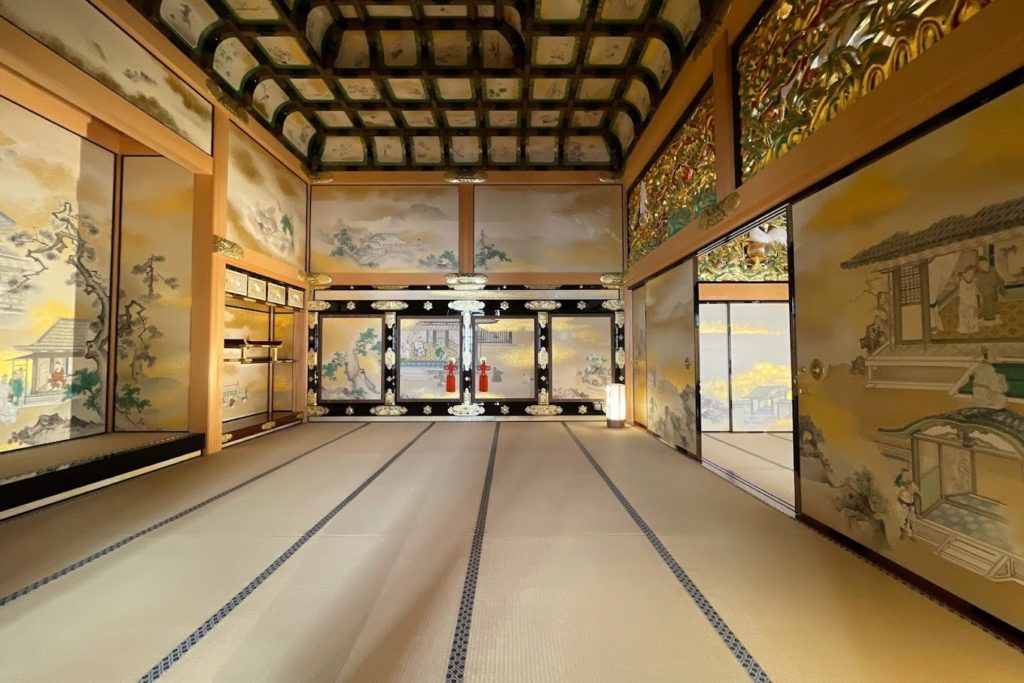
- Address: 1-1 Honmaru, Naka Ward, Nagoya, Aichi 460-0031, Japan
- Business Hours: 9:00 AM – 4:30 PM
- Closed Days: December 29 to January 1
- Usage Fee: ¥500
- Official Website URL: Nagoya Castle Official Site
Nagoya Castle, a symbol of power and resilience in the heart of Nagoya, stands as a testament to the country’s rich feudal history and architectural ingenuity. Constructed in the early 17th century by Tokugawa Ieyasu, one of Japan’s greatest samurai leaders, the castle was designed both as a fortress and as a display of the Tokugawa shogunate’s wealth and influence. Despite suffering damage during World War II, the castle has been meticulously restored, allowing visitors to step back in time and explore the grandeur of the Edo period.
The history of Nagoya Castle is marked by its strategic importance and its role in the unification of Japan. Its most iconic features, the golden shachihoko (tiger-headed carp) that adorn the castle’s roof, have become symbols of the city and are admired for their craftsmanship and beauty.
Attractions at Nagoya Castle include the main keep, which houses a museum with artifacts and exhibits on the castle’s history and the Edo period. The reconstructed Hommaru Palace, celebrated for its exquisite wall paintings and architectural details, offers a glimpse into the lifestyle of the samurai elite.
To fully enjoy Nagoya Castle, visitors should take their time exploring the extensive grounds, including the lush Ninomaru garden, which provides a tranquil escape with its seasonal flowers and traditional teahouses. The sounds of historical reenactments, the rustling of leaves in the breeze, and the murmur of awe-struck visitors create a vivid atmosphere that brings the past to life.
Nagoya Castle remains a cornerstone of Japanese cultural heritage, offering a blend of history, art, and architecture that captivates all who walk its grounds.
Atsuta Jingu
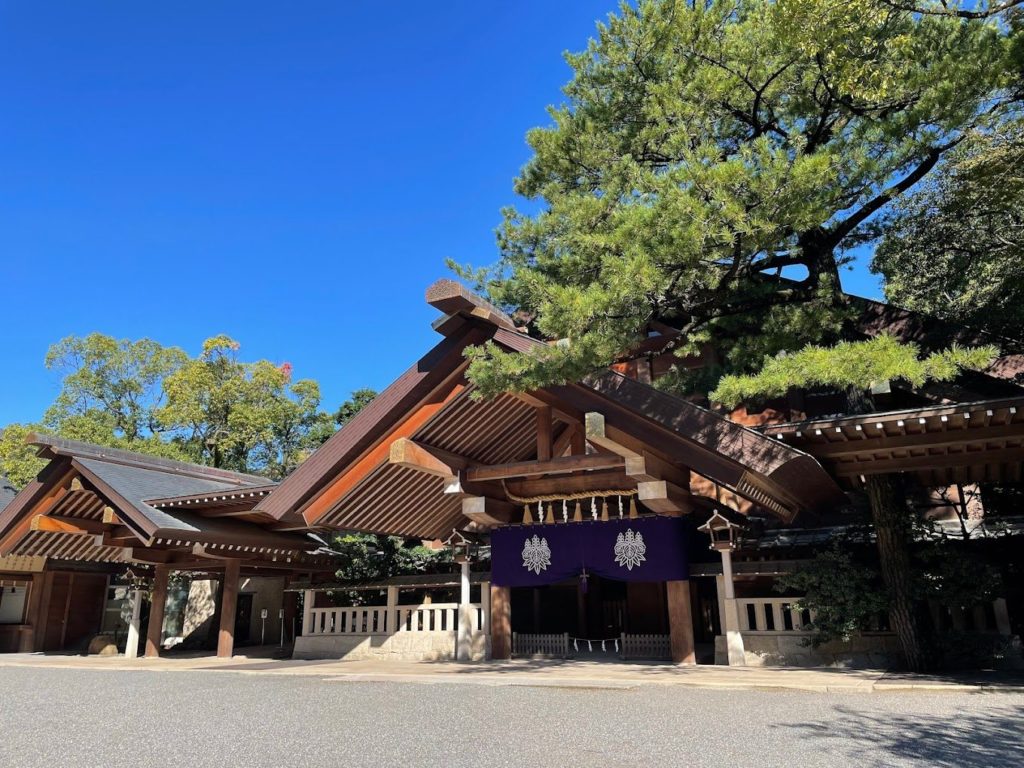
- Address: 1-1-1 Jingu, Atsuta Ward, Nagoya, Aichi 456-8585, Japan
- Business Hours: 24h (Treasure Hall has specific hours)
- Closed Days: NA
- Usage Fee: Treasure House: ¥500, Kusanagi-kan (Treasure House of Swords): ¥500, Combined ticket: ¥800
- Official Website URL: Atsuta Jingu Official Site
Atsuta Jingu, nestled in the heart of Nagoya, is one of Japan’s most ancient and revered Shinto shrines. Dating back nearly 1,900 years, it holds a pivotal place in the spiritual and cultural landscape of Japan, attracting millions of visitors and worshippers each year. The shrine is dedicated to the veneration of the sun goddess Amaterasu, and it houses one of the Three Sacred Treasures of Japan, the Kusanagi-no-Tsurugi, a legendary sword that symbolizes the imperial throne.
The history of Atsuta Jingu is deeply intertwined with the mythology and history of Japan itself. According to legend, the shrine was established to enshrine the sacred sword, which was brought to earth by the divine Yamato Takeru. Over the centuries, Atsuta Jingu has been a site of pilgrimage and a sanctuary for prayers, encompassing the profound bond between the Japanese people and their gods.
Attractions at Atsuta Jingu go beyond its spiritual significance. The shrine’s vast grounds offer a serene and picturesque setting, with ancient trees, traditional lanterns, and beautifully constructed buildings that embody the elegance of Shinto architecture. The Treasure Hall within the shrine complex displays artifacts and offerings that have been accumulated over centuries, including many designated as National Treasures and Important Cultural Properties.
To fully enjoy Atsuta Jingu, visitors are encouraged to embrace the tranquility and reverence of the shrine. The atmosphere is one of calm and reflection, with the sounds of nature, the gentle rustling of leaves, and the soft steps of those exploring the sacred grounds contributing to a sense of peace and spiritual renewal.
Atsuta Jingu remains a bastion of Japanese tradition, offering a window into the country’s rich spiritual heritage and an oasis of tranquility in the bustling city of Nagoya.
Toyota Commemorative Museum of Industry and Technology

- Address: 4-1-35 Noritakeshinmachi, Nishi Ward, Nagoya, Aichi 451-0051, Japan
- Business Hours: 9:30 AM – 5:00 PM (Last admission 4:30 PM)
- Closed Days: Mondays, Year-end and New Year holidays
- Usage Fee: ¥500
- Official Website URL: Toyota Museum Official Site
The Toyota Commemorative Museum of Industry and Technology stands as a monument to Japan’s manufacturing excellence and technological innovation. Established in 1994 in the original site of the Toyoda Automatic Loom Works, the museum offers a fascinating insight into the evolution of Toyota, one of the world’s leading automotive manufacturers, from its beginnings in the textile industry to its rise as a global automotive powerhouse.
The history of the museum is deeply rooted in the legacy of Sakichi Toyoda, the founder of Toyota Industries, whose inventions in the textile machinery industry laid the groundwork for the technological advancements that would later define the company. The museum itself is divided into two main sections: the Textile Machinery Pavilion, which showcases Toyoda’s contributions to the textile industry, and the Automobile Pavilion, which chronicles the development of Toyota’s automotive technologies.
Attractions at the Toyota Commemorative Museum of Industry and Technology include live demonstrations of textile machinery, interactive exhibits detailing the history of automobile production, and displays of classic Toyota vehicles. The museum not only educates visitors on the technical aspects of manufacturing but also on Toyota’s philosophy of continuous improvement and respect for people.
To fully enjoy the museum, visitors should take advantage of the guided tours and hands-on exhibits, which provide a deeper understanding of the engineering principles and innovations that have propelled Toyota to the forefront of industry. The sounds of operating looms and engines, combined with the stories of innovation and perseverance, create an immersive experience that inspires appreciation for the ingenuity behind everyday technologies.
The Toyota Commemorative Museum of Industry and Technology serves as a testament to the spirit of invention and the relentless pursuit of excellence that characterize Japan’s industrial history, offering an enriching experience for tech enthusiasts, history buffs, and curious minds alike.
SCMAGLEV and Railway Park

- Address: 3-2-2 Kinjofuto, Minato Ward, Nagoya, Aichi 455-0848, Japan
- Business Hours: 10:00 AM – 5:30 PM
- Closed Days: Tuesdays, Year-end and New Year holidays
- Usage Fee: ¥1,000
- Official Website URL: SCMAGLEV Park Official Site
SCMAGLEV and Railway Park is a modern museum dedicated to the evolution and innovation of Japanese railways, including the world-renowned Shinkansen (bullet train) and the cutting-edge Superconducting Maglev (SCMAGLEV) technology. Opened in 2011 by Central Japan Railway Company (JR Central), this educational and entertaining facility aims to inspire visitors with the past, present, and future of railway technology in Japan and beyond.
The history of the museum is rooted in JR Central’s commitment to showcasing Japan’s leadership in railway engineering and safety. By providing an in-depth look at the advancements in high-speed rail travel, SCMAGLEV and Railway Park serves as a testament to the country’s ongoing pursuit of excellence in public transportation.
Attractions at SCMAGLEV and Railway Park include a variety of actual trains on display, from classic steam locomotives to the latest Shinkansen models. One of the highlights is the SCMAGLEV, the fastest magnetic levitation train in the world, offering a glimpse into the future of rail travel. The museum also features train simulators, interactive exhibits that explain the principles of railway operation, and a history zone that chronicles the development of Japan’s railways.
To fully enjoy SCMAGLEV and Railway Park, visitors should immerse themselves in the hands-on exhibits and simulators, offering a unique opportunity to “drive” a Shinkansen or experience the sensations of high-speed travel. The sounds of trains, from the chugging of steam engines to the whoosh of the Shinkansen, combined with the enthusiastic reactions of visitors, create an atmosphere of excitement and discovery.
SCMAGLEV and Railway Park is not just a museum; it’s a dynamic educational platform that celebrates the innovation and spirit of Japan’s railway history, making it a must-visit for train enthusiasts and curious travelers alike.
Osu Kannon Temple and Shopping District
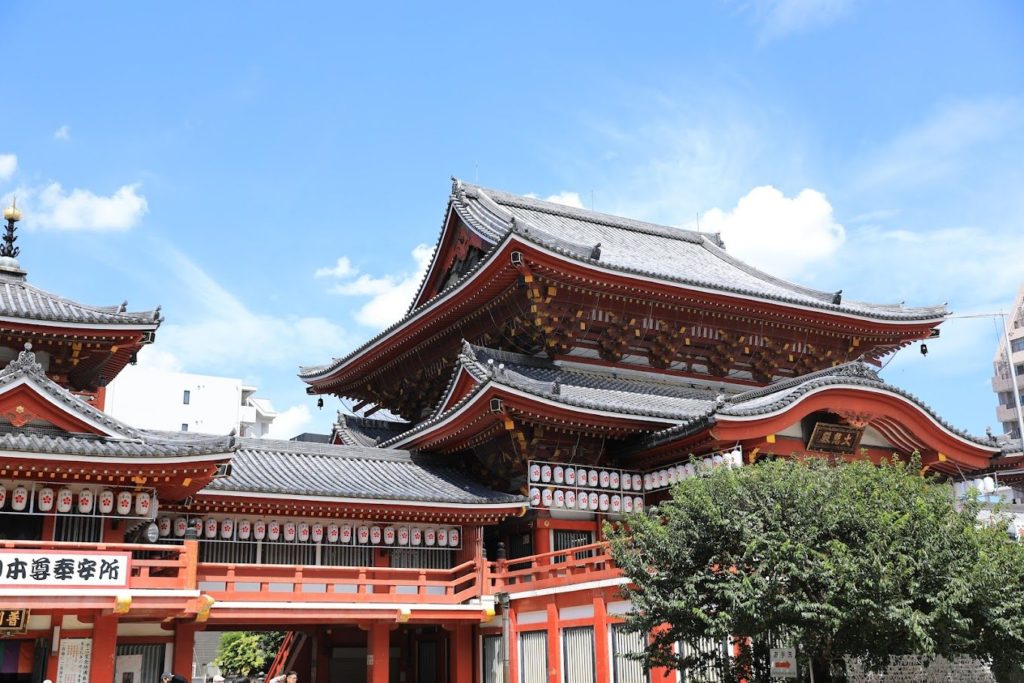
- Address: 2-21-47 Osu, Naka Ward, Nagoya, Aichi 460-0011, Japan (Temple address; shopping district surrounds the temple)
- Business Hours: 6:00 AM – 7:00 PM (Main hall)
- Closed Days: N/A
- Usage Fee: Free entry to the temple
- Official Website URL: Osu Kannon
Osu Kannon Temple, located in the vibrant heart of Nagoya, Aichi Prefecture, is a historic Buddhist temple that serves as a spiritual center and a bustling hub for locals and tourists alike. The temple, dedicated to the goddess of mercy, Kannon, is surrounded by the Osu Shopping District, creating a unique blend of cultural reverence and lively market life. This combination offers a multifaceted experience that encapsulates the traditional and the contemporary aspects of Japanese culture.
The history of Osu Kannon Temple dates back to the 14th century, although it has been relocated and rebuilt several times due to fires and war damage. Its current location in the Osu district since the 17th century has allowed the temple to become an integral part of the community. The shopping district that has grown around it reflects the temple’s enduring presence, with hundreds of shops, cafes, and street food stalls that cater to every imaginable taste and interest.
Attractions at Osu Kannon include the temple itself, with its impressive architecture and serene atmosphere, and the vast underground library that houses over 15,000 classic Japanese and Chinese texts. The surrounding shopping district offers an eclectic mix of goods, from traditional Japanese crafts and kimonos to the latest electronics and pop culture memorabilia. Regular flea markets and street performances add to the lively atmosphere, making every visit unique.
To fully enjoy Osu Kannon Temple and the Shopping District, visitors should take the time to explore both the spiritual and commercial offerings. Participating in a temple ceremony, then wandering through the bustling lanes of shops, provides a comprehensive experience of Nagoya’s rich cultural tapestry. The sounds of chanting from the temple, mixed with the lively chatter of shoppers and the melodies of street performers, create a vibrant soundscape that captures the essence of Osu.
Osu Kannon Temple and its surrounding shopping district offer a compelling combination of spiritual heritage and dynamic market life, reflecting the harmonious blend of tradition and modernity that defines Nagoya.
Korankei Valley
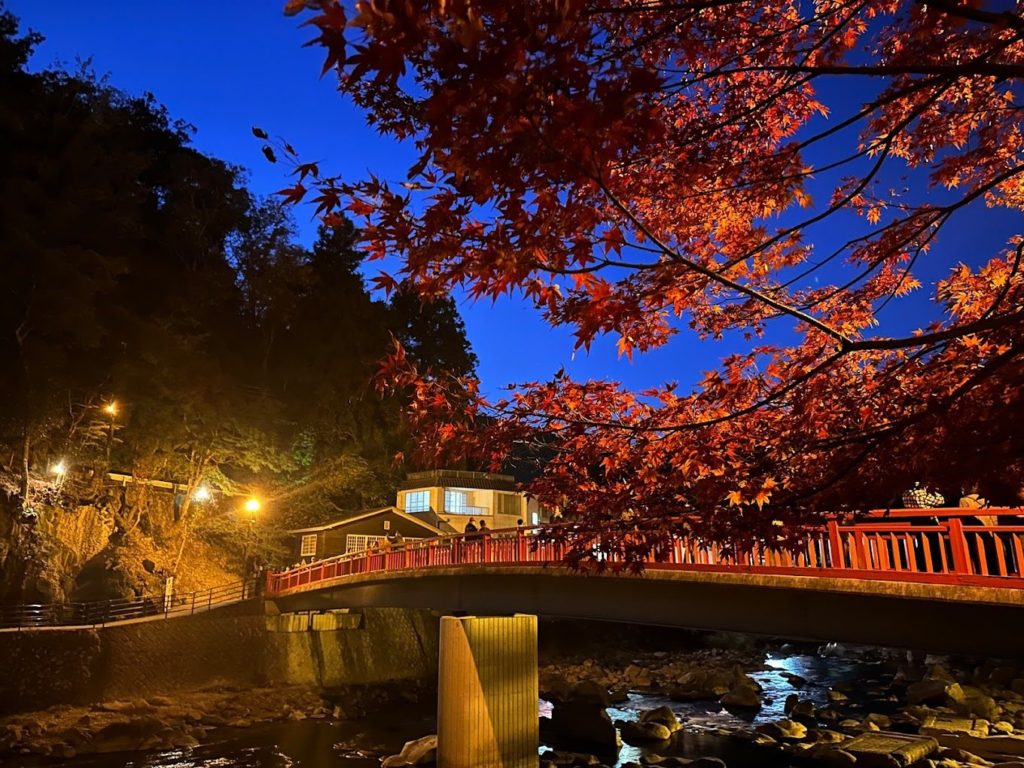
- Address: Iimori, Asuke-cho, Toyota-shi, Aichi 444-2424
- Business Hours: 24h
- Closed Days: NA
- Usage Fee: NA
- Official Website URL: Korankei Valley
Korankei Valley, near the city of Toyota, is celebrated as one of the country’s most stunning natural landscapes, particularly renowned for its spectacular autumn colors. This valley, surrounding the Tomoe River, is blanketed with thousands of maple trees that transform into a vibrant palette of reds, oranges, and yellows each November, drawing visitors from all over Japan and beyond.
The history of Korankei’s maple trees began in the 17th century when the head priest of Kojakuji Temple planted the first maples in the area. Since then, generations have continued to plant trees, creating the breathtaking scenery seen today. The valley not only offers a feast for the eyes but also serves as a symbol of the community’s dedication to preserving natural beauty.
Attractions in Korankei Valley extend beyond its famed autumn foliage. Visitors can explore the historic Kojakuji Temple, Taigetsukyo Bridge, which offers a picturesque view of the valley, and numerous walking trails that meander along the river and through the hills, allowing for a full appreciation of the area’s natural beauty. The annual autumn festival, with its nighttime illuminations, further highlights the splendor of the foliage, creating a magical atmosphere.
To fully enjoy Korankei Valley, visitors should prepare for a leisurely day of exploration. Walking the paths that crisscross the valley not only offers up-close views of the stunning colors but also the tranquil sounds of the flowing river, rustling leaves, and the soft footsteps of fellow nature lovers. Bringing a camera is a must to capture the breathtaking scenery.
Korankei Valley stands as a testament to the beauty of Japan’s natural landscapes and the enduring appeal of its autumn colors. It offers a serene escape into nature, providing a moment of reflection and appreciation for the simple beauty of the changing seasons.
Legoland

- Address: 1 Kinjoufutou, Nagoya-shi, 2-chome-2 Minato-ku Nagoya-shi, Aichi 455-8605
- Business Hours: 10:00 AM – 5:00 PM (Weekdays), 10:00 AM – 6:00 PM (Weekends)
- Closed Days: NA
- Usage Fee: ¥4,500- for adults, ¥3,300- for kids
- Official Website URL: Legoland
Legoland Japan is a family-oriented theme park that brings the imaginative world of LEGO to life. Opened in April 2017, this park is the first of its kind in Japan and the eighth Legoland park globally. It offers a colorful and creative adventure for children and adults alike, celebrating the timeless appeal of LEGO bricks through interactive rides, shows, and building experiences.
The inception of Legoland Japan was driven by the desire to offer a unique entertainment experience that combines the creativity and fun of LEGO with the thrill of theme park rides. Spanning an expansive area, the park is divided into several themed zones, each designed to immerse visitors in different aspects of the LEGO universe, from pirate adventures to exploring ancient ruins.
Attractions at Legoland Japan are varied and cater to a wide range of interests and ages. Key highlights include Miniland, where visitors can marvel at miniature replicas of famous Japanese landmarks made entirely out of LEGO bricks, and the Driving School, where children can learn to drive electric cars. The park also boasts a variety of roller coasters, water rides, and interactive building areas where families can construct their own LEGO creations.
To fully enjoy Legoland Japan, visitors should plan to spend a full day exploring the park’s many attractions. Participating in hands-on building activities, taking on the challenge of the rides, and enjoying the live shows offer a comprehensive Legoland experience. The sounds of laughter, the clacking of LEGO bricks being snapped together, and the excited screams from the rides fill the park, creating an atmosphere of joy and creativity.
Legoland Japan in Nagoya stands as a testament to the enduring popularity of LEGO and the power of imaginative play. It provides a unique space where families can create lasting memories while engaging in creative and adventurous activities together.
Meiji Mura Museum
- Address: 1, Inuyama, Inuyama City, Aichi, 484-0000, Japan
- Business Hours: 9:30 AM – 5:00 PM
- Closed Days: NA
- Usage Fee: NA
- Official Website URL: Noritake Garden
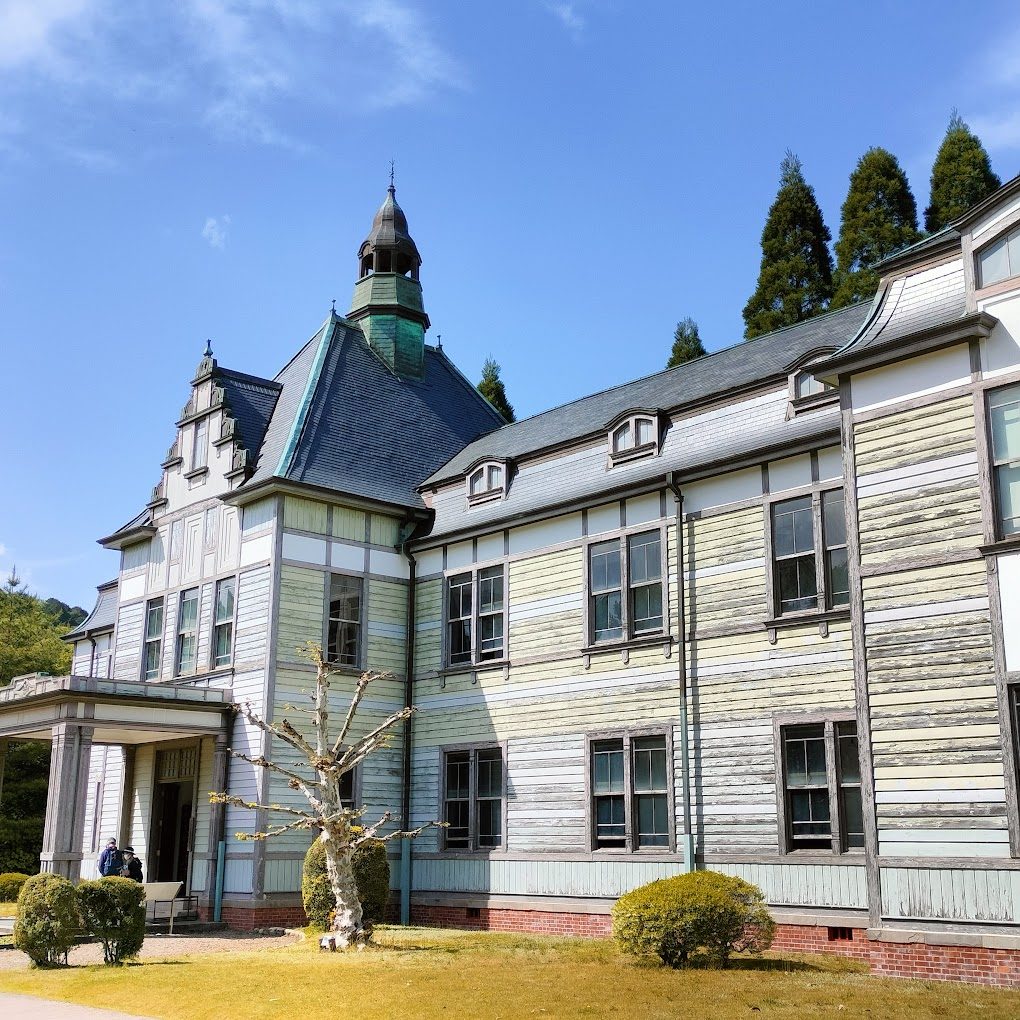
Meiji Mura, located in Inuyama is an open-air museum that offers a unique journey back to the Meiji era, a period of rapid modernization and Westernization in Japan from 1868 to 1912. Opened in 1965, this museum spans over 1 million square meters and features over 60 historical buildings relocated from across Japan, preserving a fascinating blend of Japanese and Western architectural styles from the late 19th and early 20th centuries.
The history of Meiji Mura is a testament to Japan’s transformation during the Meiji period, showcasing the country’s embrace of Western technologies and ideas while maintaining its cultural identity. The museum was founded by Yoshiro Taniguchi, a renowned architect, and Motoo Tsuchikawa, then president of Nagoya Railroad, to preserve buildings that were at risk of being lost amidst rapid post-war development.
Attractions at Meiji Mura include a diverse collection of buildings, such as the main entrance of the old Imperial Hotel designed by Frank Lloyd Wright, St. John’s Church from Kyoto, and the former Kanazawa Prison, among others. Each building offers a glimpse into the past, with restored interiors that recreate the era’s atmosphere. The museum also operates a vintage steam locomotive and streetcars, providing an authentic experience of transportation from the period.
To fully enjoy Meiji Mura, visitors should allow ample time to explore the expansive grounds and the interiors of buildings, many of which host exhibits and demonstrations that bring the Meiji era to life. The sounds of steam engines, the sight of period costumes, and the architectural beauty of the buildings create an immersive experience that transports visitors back in time.
Meiji Mura serves as a living museum, not only preserving important architectural works but also educating visitors about a pivotal time in Japan’s history. It offers a unique opportunity to explore the cultural and technological advancements of the Meiji era, making it a must-visit destination for history enthusiasts and curious travelers alike.
Tokugawa Art Museum and Gardens

- Address: 1017 Tokugawacho, Higashi Ward, Nagoya, Aichi 461-0023, Japan
- Business Hours: 10:00 AM – 5:00 PM (Last admission 4:30 PM)
- Closed Days: Mondays, Year-end and New Year holidays
- Usage Fee: ¥1,600- for adults (Varies by tickets)
- Official Website URL: Tokugawa Art Museum
The Tokugawa Art Museum and Gardens is a cultural treasure trove that showcases the opulence and artistry of the Tokugawa shogunate, one of Japan’s most powerful and influential feudal dynasties. Established in 1935, the museum houses a vast collection of art, artifacts, and personal belongings of the Tokugawa family, offering a deep dive into the samurai culture and the luxurious lifestyle of the Edo period.
The history of the museum is closely tied to the Tokugawa family, with its collection largely based on the inheritance of Ieyasu Tokugawa, the first shogun of the Tokugawa shogunate. The museum’s exhibits include samurai armor and swords, Noh theatre costumes, precious scrolls, and one of Japan’s designated National Treasures, the Genji Monogatari Emaki, a set of illustrated handscrolls of The Tale of Genji, believed to be the world’s first novel.
Adjacent to the museum, the Tokugawaen Garden offers a serene and meticulously designed landscape that reflects the traditional Japanese aesthetic. Featuring a large pond, streams, and a variety of seasonal flowers and trees, the garden is a peaceful retreat that complements the historical journey within the museum.
To fully enjoy the Tokugawa Art Museum and Gardens, visitors are encouraged to immerse themselves in the museum’s rich collection, taking time to appreciate the craftsmanship and historical significance of each exhibit. A leisurely stroll in the Tokugawaen Garden allows for reflection and relaxation amidst the beauty of nature. The sounds of gently flowing water, rustling leaves, and the distant hum of city life create a tranquil ambiance that transports visitors back in time.
The Tokugawa Art Museum and Gardens stand as a testament to Nagoya’s historical significance and its enduring connection to Japan’s samurai heritage, offering an insightful and enriching experience for history buffs, art lovers, and nature enthusiasts alike.
Inuyama Castle
- Address: 65-2 Inuyama Kitakoten, Inuyama City, Aichi Prefecture, 484-0082, Japan
- Business Hours: 9:00 AM – 5:00 PM (Entry until 4:30 PM)
- Closed Days: Mondays, December 29 to January 1
- Usage Fee: ¥550 for adults
- Official Website URL: Inuyama Castle
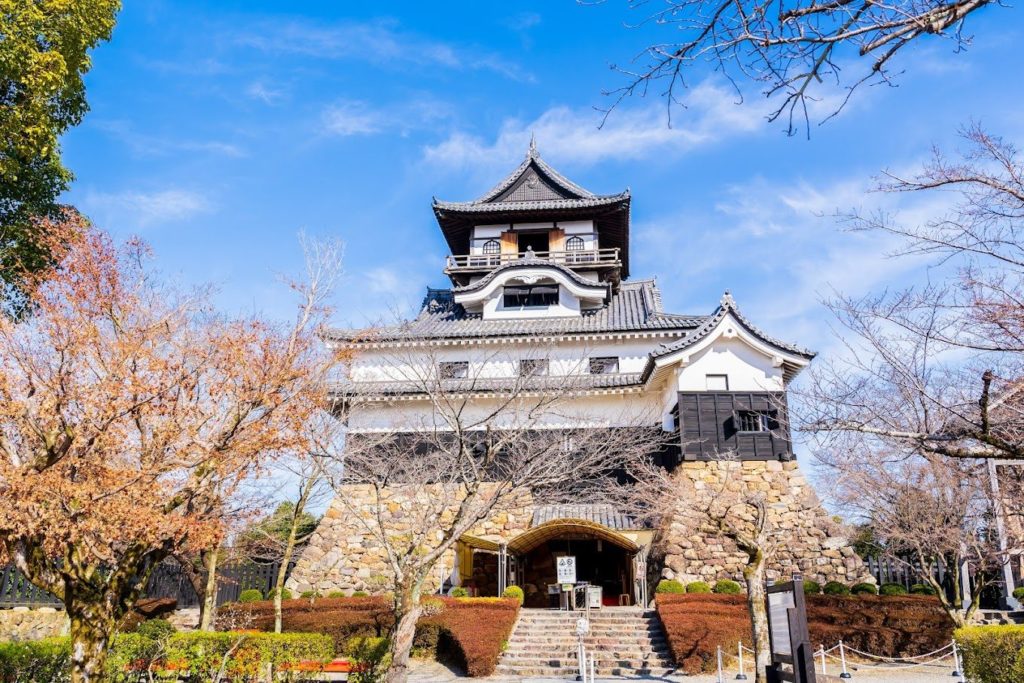
Inuyama Castle, perched on a hill overlooking the Kiso River, is one of the country’s oldest and most historically significant fortresses. Its construction dates back to 1537, during the Muromachi period, making it a rare example of a feudal castle that has retained its original wooden structure. Declared a National Treasure, Inuyama Castle’s strategic location and architectural integrity provide a fascinating glimpse into Japan’s warring states era.
The history of Inuyama Castle is marked by battles, changes in ownership, and periods of reconstruction, reflecting the tumultuous times of feudal Japan. Its significance extends beyond military might, serving as a symbol of power and cultural resilience. The castle’s architecture, with its towering keep and defensive features, is a testament to the craftsmanship and strategic planning of the era.
Attractions at Inuyama Castle include the castle tower, which offers panoramic views of the surrounding landscape, including the Kiso River and the Inuyama Bridge. Inside, visitors can explore museum exhibits that display samurai armor, weapons, and artifacts related to the castle’s history. The castle grounds and nearby streets, with their traditional shops and tea houses, also offer a taste of Japan’s rich cultural heritage.
To fully enjoy Inuyama Castle, visitors should take the time to climb to the castle’s top floor for the breathtaking views and to appreciate the historical significance of the structure. The sound of wooden floors creaking underfoot, the sight of ancient samurai artifacts, and the serene beauty of the natural surroundings create an immersive experience that transports guests back in time.
Inuyama Castle stands as a proud reminder of Japan’s feudal past, offering an educational and inspiring journey through history for all who visit. Its preservation as a National Treasure allows future generations to appreciate the architectural and historical significance of this remarkable fortress.
Discovering Nagoya is an adventure into a city where the past and future coexist, offering endless opportunities for exploration and discovery. From historical sites that tell the tales of samurai and shoguns to modern museums that envision the future, Nagoya invites you on a journey that is as enriching as it is entertaining. Remember to check the latest information on each destination to ensure a fulfilling visit to this dynamic city.