

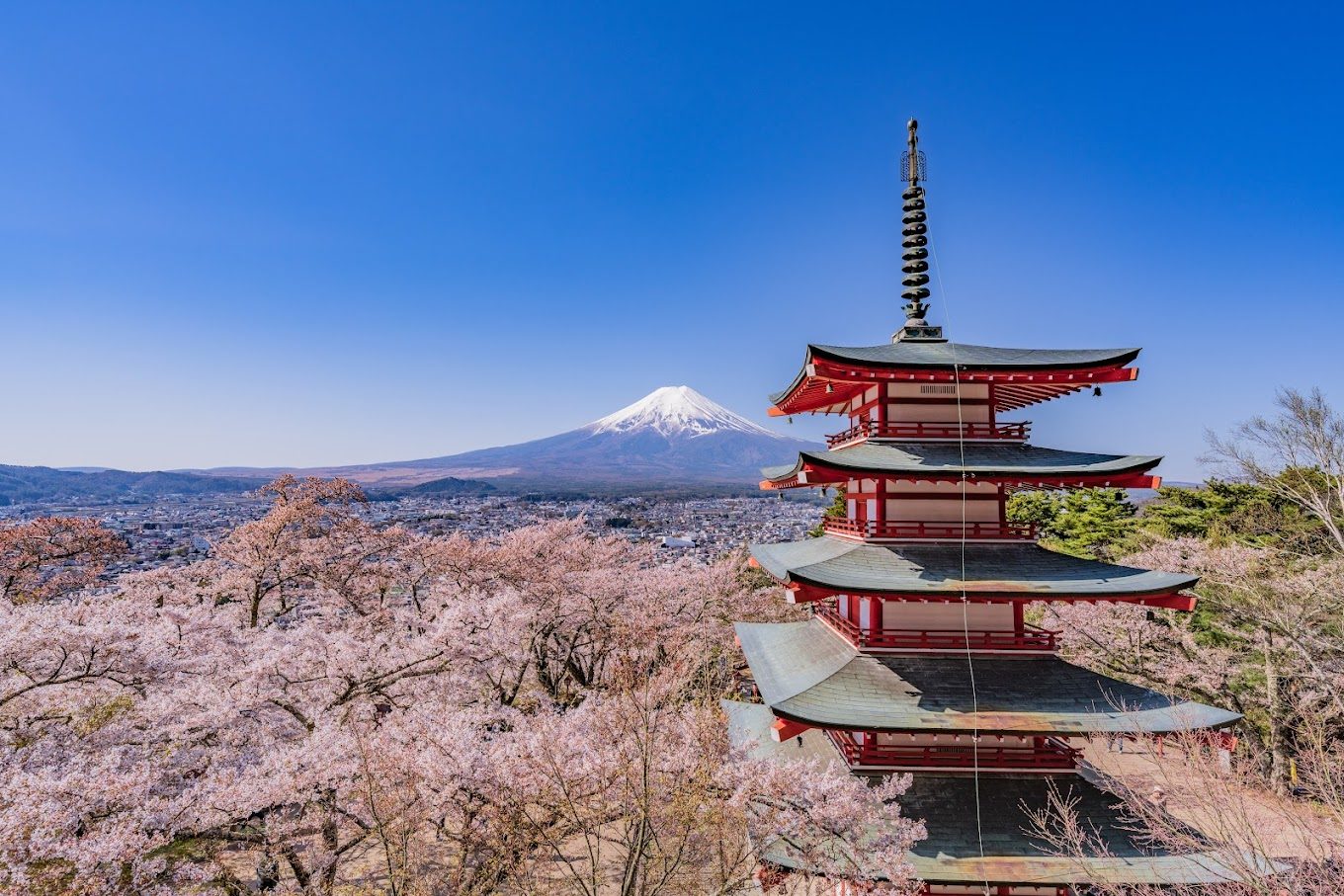
Yamanashi Prefecture, nestled at the foot of Mount Fuji, is a region brimming with natural beauty, historic landmarks, and culinary delights. From the iconic views of Japan’s tallest peak to serene lakes and lush vineyards, Yamanashi offers a journey through some of the country’s most picturesque landscapes. Here are ten must-visit spots in Yamanashi Prefecture, each promising an unforgettable experience.
Mount Fuji
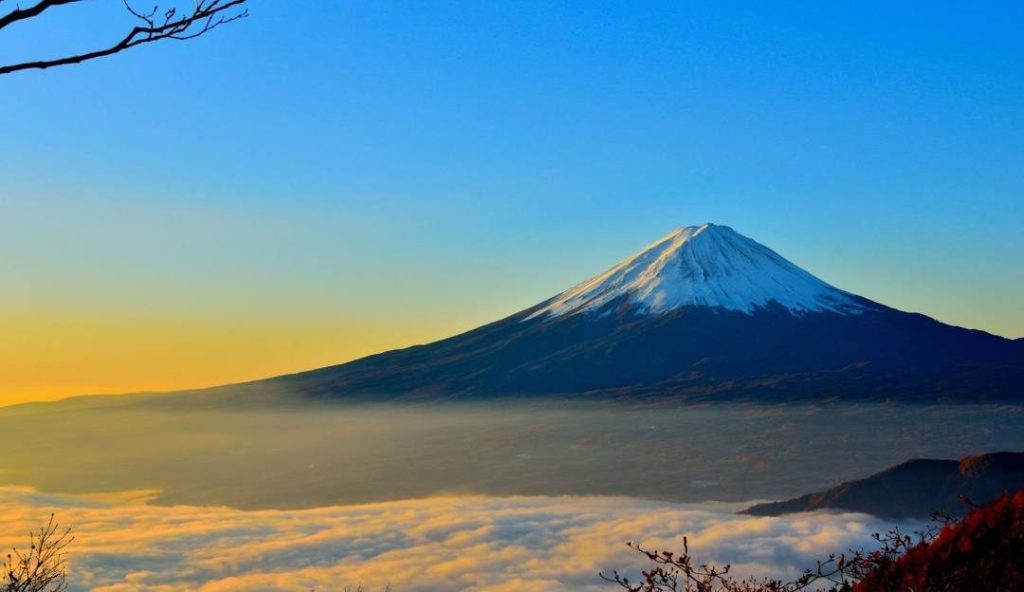
The symbol of Japan, Mount Fuji’s majestic presence is best viewed from Yamanashi. The Fujigoko (Fuji Five Lakes) area provides numerous vantage points for admiring and photographing this iconic mountain.
- Address: Yamanashi Prefecture, Japan
- Business Hours: Climbing season typically from early July to early September
- Closed Days: Climbing off-season
- Usage Fee: Entry fee is optional, ¥1,000 per person
- Official Website URL: Mount Fuji
Mount Fuji, standing at 3,776 meters, is Japan’s tallest peak and an iconic symbol of the country’s natural beauty. Located on Honshu Island, this active stratovolcano is revered for its perfectly symmetrical cone shape, a subject of admiration in art, literature, and religious practices throughout Japanese history. Its last eruption occurred in the early 18th century, yet it continues to captivate and inspire to this day.
Historically, Mount Fuji has been considered sacred, attracting pilgrims and artists for centuries. It is part of the “Three Holy Mountains” alongside Mount Tate and Mount Haku. The mountain’s significance extends into Japanese folklore and religion, particularly Shintoism, where it is associated with the goddess Sengen-Sama and features in numerous myths and legends.
Attractions around Mount Fuji include the Fuji Five Lakes (Fujigoko), offering stunning views and various outdoor activities such as boating and fishing. The area also boasts hot springs, museums, and theme parks. The ascent of Mount Fuji is a popular endeavor for both Japanese and international hikers, with the official climbing season running from early July to early September.
Insider Tip:
- For those not keen on climbing, the Chureito Pagoda offers one of the best views of Mount Fuji, especially during cherry blossom season or autumn, when the surrounding foliage creates a breathtaking scene. Additionally, visiting the mountain during the off-peak season (spring or autumn) can offer clearer views and fewer crowds.
Mount Fuji is not just a mountain; it is a cultural and spiritual symbol of Japan, offering awe-inspiring views, challenging treks, and a deep connection with Japanese heritage.
Arakurayama Sengen Park
- Address: 4-1, Asama 2-chome, Fujiyoshida-shi, Yamanashi 403-0011, Japan
- Business Hours: Open 24/7
- Closed Days: N/A
- Usage Fee: Free
- Official Website URL: Arakurayama Sengen Park
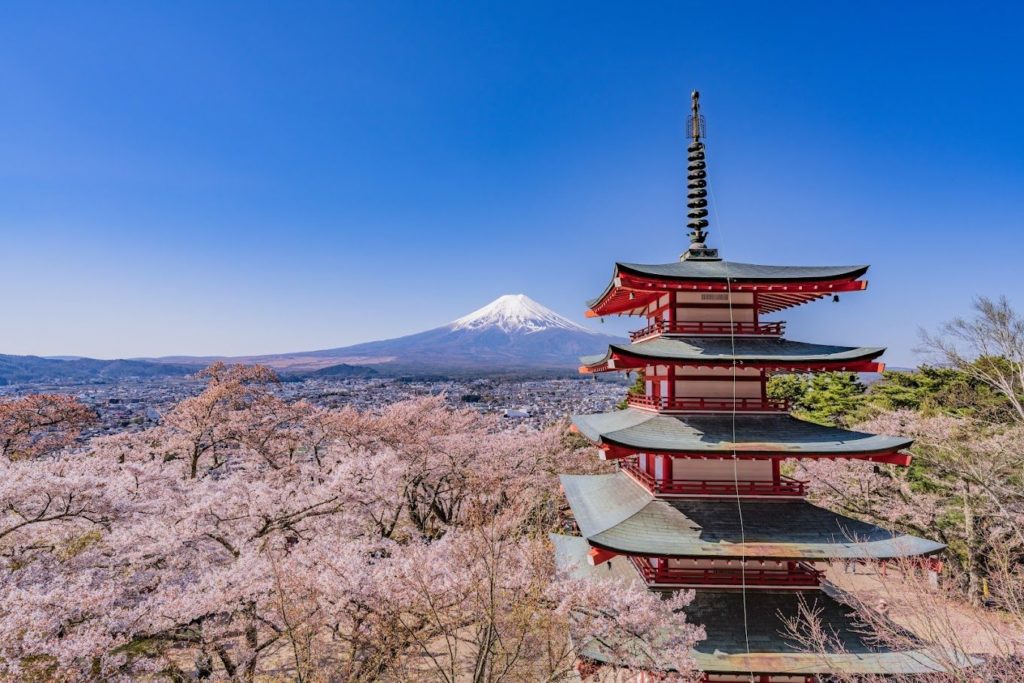
Arakurayama Sengen Park, nestled in Fujiyoshida City at the base of Mount Fuji, is a prime viewing spot that offers one of the most iconic and breathtaking vistas of Japan’s highest peak. This park is home to the picturesque Chureito Pagoda, a five-storied pagoda that has become synonymous with the quintessential image of Mount Fuji, particularly during cherry blossom season and autumn when the scenery transforms into a vibrant canvas of colors.
The park and pagoda were established as part of the Arakura Sengen Shrine complex, which dates back to the 8th century. The Chureito Pagoda itself was built in 1963 as a peace memorial, commemorating the war dead. Its position on the mountainside allows for panoramic views not only of Mount Fuji but also of the surrounding city and the lush landscape that characterizes the region.
Visitors to Arakurayama Sengen Park can enjoy the serene atmosphere of the shrine, the stunning beauty of the pagoda, and the unparalleled views of Mount Fuji. The climb to the pagoda involves a steep staircase of 398 steps, which becomes a popular spot during the cherry blossom season in spring and when the leaves change color in autumn.
Insider Tip:
- For the best photography opportunities, visit early in the morning when the air is clearer, and the crowd is thinner. The spring and autumn months offer the most dramatic backgrounds with cherry blossoms or fall foliage, but visiting during the off-peak seasons can also provide a more tranquil experience.
Arakurayama Sengen Park is more than just a viewing spot; it’s a place of cultural and historical significance, offering visitors a chance to immerse themselves in the beauty and heritage of Japan.
Oshino Hakkai
- Address: Oshinomura, Minamitsuru-gun, Yamanashi 401-0511
- Business Hours: Varies by shop and facility
- Closed Days: Varies
- Usage Fee: Free; some attractions may charge a fee
- Official Website URL: Oshino Hakkai
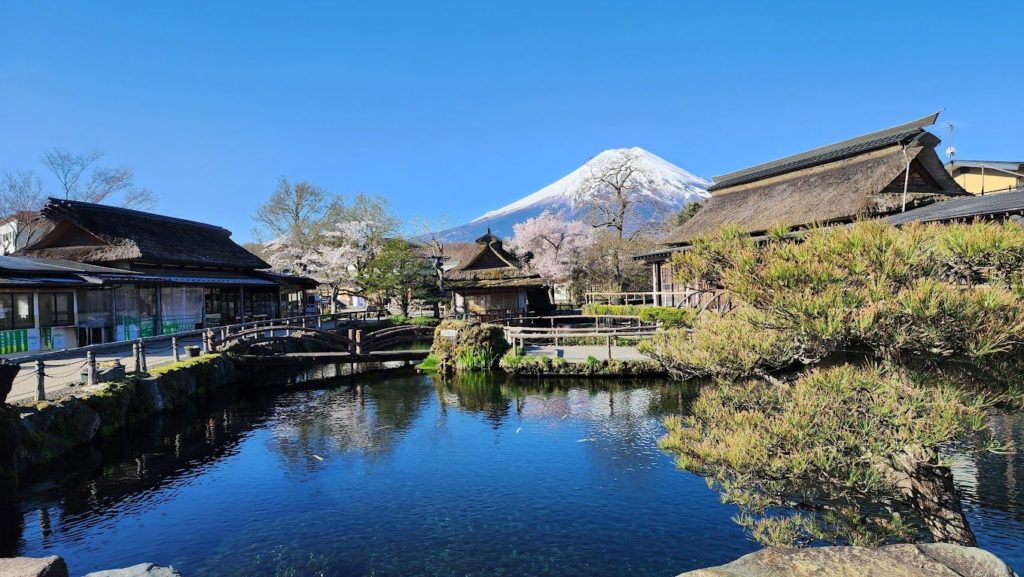
Oshino Hakkai, located in the scenic village of Oshino, is a natural wonder and cultural heritage site at the foot of Mount Fuji. This unique attraction consists of eight ponds that are fed by snowmelt from the sacred mountain, filtering through porous layers of volcanic rock to emerge as springs of crystal-clear water. The name “Hakkai” translates to “Eight Seas,” reflecting the number and beauty of these ponds, which are revered for their clarity and purity.
Historically, Oshino Hakkai is the remnant of a lake that was once part of the Mount Fuji area, offering a glimpse into the natural history and geological transformation of the region. The site has been held sacred since ancient times, with the clear waters considered to embody the divine spirit of Mount Fuji. Today, it is part of the Fuji Five Lakes region and is protected as a Natural Monument and part of the Mount Fuji World Heritage Site.
Attractions at Oshino Hakkai go beyond the scenic beauty of the ponds. The village of Oshino itself offers a snapshot of traditional Japanese rural life, with thatched-roof houses, historical sites, and local museums such as the Hannoki Bayashi Shiryokan, showcasing artifacts and exhibits related to the region’s history and culture. Visitors can also enjoy sampling local delicacies, including freshwater fish and vegetables cultivated with the pure waters of the springs.
Insider Tip:
- While the ponds are beautiful year-round, the views are particularly stunning in autumn when the changing leaves provide a colorful backdrop to the clear waters and Mount Fuji.
Oshino Hakkai offers a tranquil and picturesque escape, blending natural beauty with cultural depth, making it a must-visit destination for those exploring the Mount Fuji area.
Lake Yamanaka (Yamanakako)
- Address: Yamanakako, Minamitsuru District, Yamanashi 401-0500, Japan
- Business Hours: Open 24/7
- Closed Days: N/A
- Usage Fee: Free; fees apply for rental equipment and hot springs
- Official Website URL: Lake Yamanaka
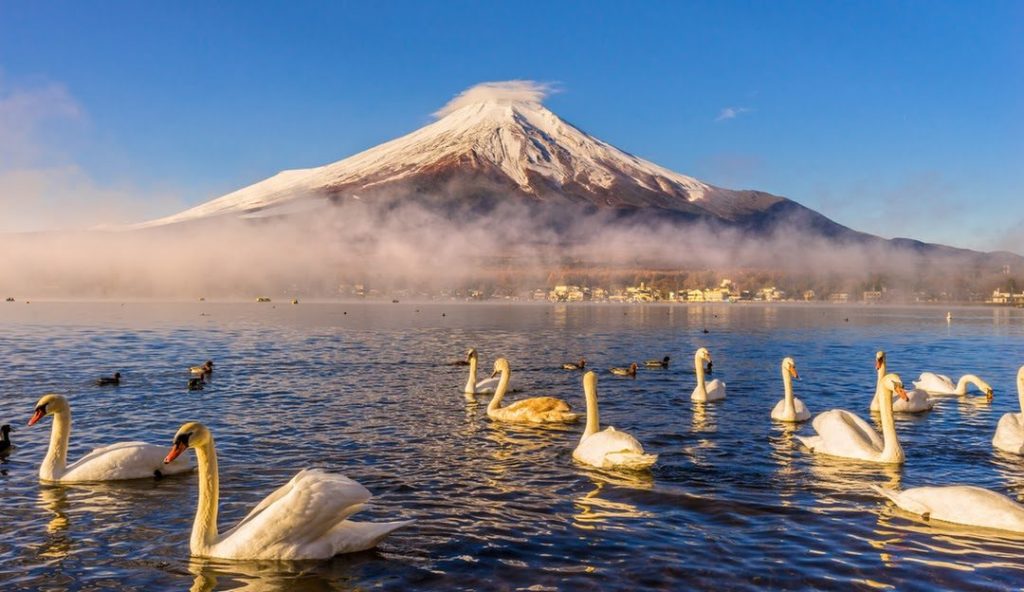
Lake Yamanaka, the largest of the Fuji Five Lakes, sits serenely at the northeastern base of Mount Fuji. Known for its panoramic views of the iconic mountain, Lake Yamanaka is a favored destination for tourists and outdoor enthusiasts seeking the beauty and tranquility of the Mount Fuji area. Its elevation of approximately 980 meters makes it the highest of the Fuji Five Lakes, contributing to its cool climate and making it a popular retreat during the hot summer months.
The lake’s history is as deep and rich as its waters, with references dating back to ancient times in Japanese literature and poetry. It has long been a source of inspiration for artists and poets captivated by its scenic beauty and the majestic backdrop of Mount Fuji. Over the years, Lake Yamanaka has developed into a vibrant tourist spot, offering a range of recreational activities such as boating, fishing, and windsurfing, along with hot springs and hiking trails around the area.
Attractions around Lake Yamanaka include the Yamanakako Hananomiyako Park, renowned for its seasonal flowers and spectacular views of Mount Fuji, and the panoramic observation deck at Panorama Dai, which offers stunning vistas of the lake and surrounding landscapes. The area also hosts a variety of events and festivals throughout the year, celebrating the region’s natural beauty and cultural heritage.
Insider Tip:
- For photographers aiming to capture the iconic shot of Mount Fuji with Lake Yamanaka in the foreground, early morning is the best time to visit. The air is clearer, and the calm waters create a perfect reflection of the mountain.
Lake Yamanaka is not just a natural wonder but a cultural and recreational haven, offering visitors a chance to experience the beauty and serenity of the Mount Fuji region in a myriad of ways.
Koshu Wine Tasting
- Address: Katsunuma, Koshu, Yamanashi, Japan
- Business Hours: Varies by winery
- Closed Days: Varies by winery
- Usage Fee: Varies by winery; tastings often free or for a small fee
- Official Website URL: Yamanashi Wine
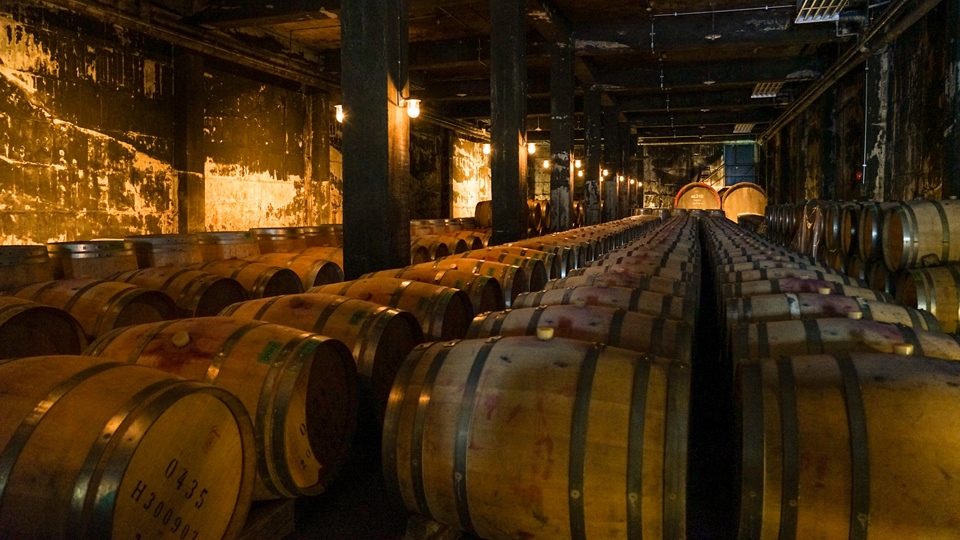
Koshu is renowned for its wine production, particularly the cultivation of the Koshu grape, a variety native to Japan. With a winemaking history that dates back over a thousand years, Koshu has established itself as the heart of Japanese viticulture, offering a unique blend of traditional techniques and modern innovation. The region’s favorable climate, with its cool summers and well-drained volcanic soil, provides ideal conditions for vineyards, making it a prime location for producing high-quality wines.
The Koshu grape, known for its crisp acidity and delicate flavors, has gained international recognition, leading to a growing interest in Koshu wines. Wineries in the region range from historic establishments that have been in operation for generations to newer ventures that experiment with both traditional and contemporary winemaking methods. These wineries often offer tours and tasting sessions, allowing visitors to experience the rich flavors and aromatic profiles unique to Koshu wines.
Attractions beyond wine tasting include exploring the beautiful vineyard landscapes, which offer panoramic views of the surrounding mountains, including Mount Fuji. Many wineries also feature onsite restaurants and cafes where guests can enjoy local cuisine paired with the region’s wines.
Insider Tip:
- To fully appreciate the diversity of Koshu wines, consider visiting several wineries, each offering different tasting experiences. Spring and autumn are particularly beautiful times to visit, with the vineyards in bloom or the leaves changing color. Booking a guided tour can also enhance your visit, providing insights into the history, cultivation, and winemaking processes unique to the region.
Koshu’s wineries and vineyards offer not just a taste of Japan’s wine heritage but an immersive cultural experience, set against the backdrop of Yamanashi’s stunning natural beauty.
Lake Kawaguchi
- Address: Fujikawaguchiko, Minamitsuru District, Yamanashi 401-0304, Japan
- Business Hours: Open 24/7
- Closed Days: N/A
- Usage Fee: Free; rental and activity fees apply
- Official Website URL: Lake Kawaguchi
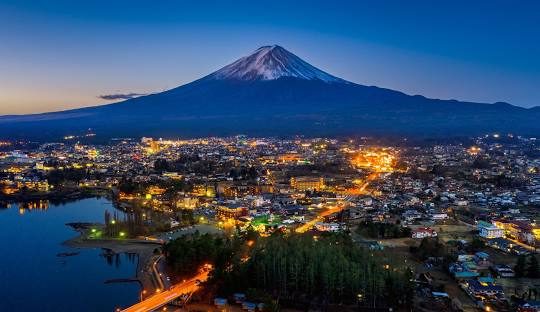
Lake Kawaguchi, nestled in the scenic Fuji Five Lakes region at the northern foot of Mount Fuji, stands as one of Japan’s most picturesque destinations. Known for its crystal-clear waters and breathtaking views of Mount Fuji, it is the second largest of the five lakes and the most accessible, making it a popular spot for tourists and locals alike. Its proximity to Tokyo further enhances its appeal as a tranquil escape from the bustling city life.
The history of Lake Kawaguchi weaves through centuries of Japanese culture and tradition. It has been a cherished subject of Japanese poetry and art, including the famed ukiyo-e prints by Hokusai and Hiroshige, which have immortalized its stunning vistas. The lake and its surroundings have played a significant role in the development of the area, contributing to its rich cultural heritage and tourism industry.
Attractions around Lake Kawaguchi are diverse, catering to a wide range of interests. The area boasts numerous hot springs, where visitors can relax while enjoying views of Mount Fuji. For outdoor enthusiasts, activities like boating, fishing, and hiking in the nearby Aokigahara Forest offer ample opportunities to explore the natural beauty of the region. The Kubota Itchiku Museum, dedicated to the art of kimono, and the Kawaguchiko Music Forest, a European-style garden with music boxes and automated musical instruments, are cultural highlights not to be missed.
Insider Tip:
- For the best views of Mount Fuji, visit Lake Kawaguchi in the early morning or late afternoon when the skies are clearer, and the lake’s surface mirrors the iconic peak. Autumn and spring are particularly stunning, offering vibrant foliage or cherry blossoms framing the majestic mountain.
Lake Kawaguchi offers a blend of natural beauty, cultural experiences, and recreational activities, making it an essential visit for anyone traveling to the Mount Fuji area.
Saiko Iyashino-Sato Nenba (Healing Village)
- Address: 2710 Saiko, Fujikawaguchiko, Minamitsuru District, Yamanashi 401-0332, Japan
- Business Hours: 9:00 AM – 5:00 PM
- Closed Days: Varies; typically open year-round but may close for severe weather conditions
- Usage Fee: ¥500 for adults
- Official Website URL: Saiko Iyashino-Sato Nenba
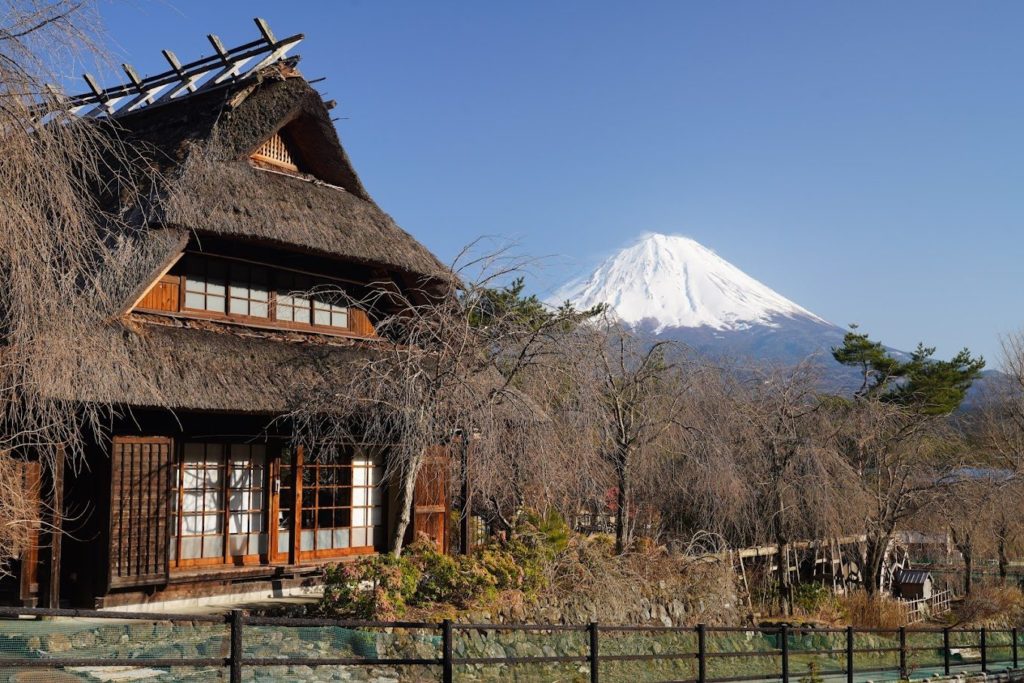
Saiko Iyashino-Sato Nenba, nestled on the shores of Lake Saiko in the Fuji Five Lakes region, is a charming reconstructed traditional village that offers visitors a glimpse into Japan’s rich cultural and historical heritage. Known as the “Healing Village,” it stands against the stunning backdrop of Mount Fuji, providing a picturesque setting that embodies the tranquil beauty of the Japanese countryside.
The history of Saiko Iyashino-Sato Nenba dates back to the 1960s when the original village was devastated by a typhoon. In 2006, the village was meticulously rebuilt to preserve and celebrate the traditional way of life in the region. Today, it features over twenty thatched-roof houses, each serving as workshops and galleries where visitors can engage in a variety of traditional crafts and activities, including pottery, indigo dyeing, and weaving, offering a hands-on experience of Japan’s artisanal traditions.
Attractions within the village extend beyond the craft workshops. The scenic landscapes and architectural beauty of the traditional houses provide ample opportunities for photography enthusiasts, especially with Mount Fuji in the background. The village also hosts seasonal events and festivals that showcase traditional Japanese culture, music, and dance, enriching the visitor experience.
Insider Tip:
- Autumn is particularly spectacular, with the changing leaves providing a colorful contrast to the thatched roofs and the ever-present Mount Fuji.
Saiko Iyashino-Sato Nenba is a testament to the resilience and richness of Japanese culture, offering a peaceful retreat into the past amidst the natural beauty of the Fuji Five Lakes region.
Fuji Q Highland
- Address: 5-6-1 Shin Nishihara, Fujiyoshida, Yamanashi 403-0017, Japan
- Business Hours: 10:00 AM – 8:00 PM (Weekends: until 9:00 PM ); hours may vary by season and attractions
- Closed Days: Check the official website for specific dates
- Usage Fee: One-day pass varies between ¥6,000 and ¥7,000 for adults
- Official Website URL: Fuji Q Highland
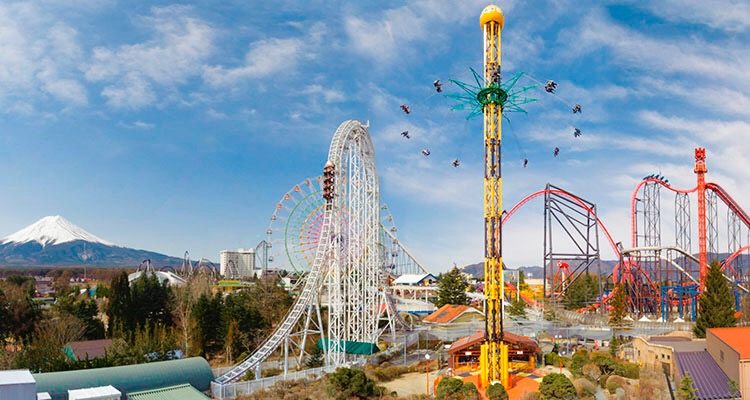
Fuji-Q Highland, situated in the shadow of the majestic Mount Fuji, is a theme park known for its record-breaking roller coasters, thrilling attractions, and family-friendly entertainment. Since its opening in 1968, Fuji-Q Highland has gained popularity as one of Japan’s most exciting amusement parks, drawing adrenaline junkies and fun-seekers from all over the world.
The park’s reputation is built on its collection of world-class roller coasters, including the Fujiyama, once the world’s tallest and fastest roller coaster, and the Eejanaika, a 4D coaster with seats that rotate 360 degrees. Another highlight is the Dodonpa, known for its incredibly fast acceleration. Beyond the high-speed thrills, Fuji-Q Highland offers attractions for all ages, including Thomas Land, a themed area dedicated to the beloved children’s character Thomas the Tank Engine, and the haunted hospital, one of the largest and scariest haunted attractions in the world.
Fuji-Q Highland also features less intense rides and attractions, making it a versatile destination for families and visitors of all ages. The park’s location offers stunning views of Mount Fuji, adding a picturesque backdrop to the adrenaline-pumping rides.
Insider Tip:
- To make the most of your visit, consider purchasing an express pass to skip the long lines for the most popular attractions. Additionally, visiting on weekdays or during off-peak seasons can significantly reduce waiting times. Don’t miss the opportunity to enjoy the park’s onsen (hot spring) facility, where you can relax and unwind after a day of excitement.
Fuji-Q Highland stands as a testament to Japan’s innovative spirit in the world of amusement parks, offering an unforgettable experience with a unique blend of thrills and scenic beauty.
Shosenkyo Gorge
- Address: Shosenkyo, Kofu, Yamanashi 400-1214, Japan
- Business Hours: Accessible 24/7; attractions within the gorge have specific hours
- Closed Days: N/A
- Usage Fee: Free; fees for certain attractions within the gorge
- Official Website URL: Shosenkyo Gorge Guide
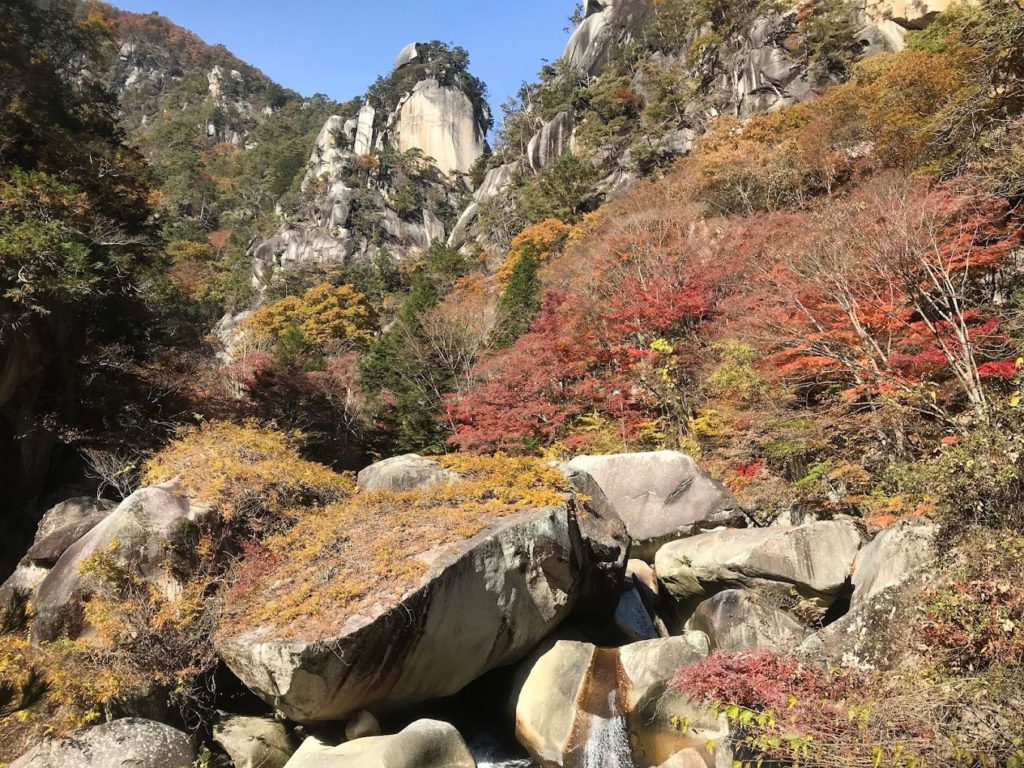
Shosenkyo Gorge, located in the northern part of Kofu City, is widely regarded as one of the country’s most beautiful gorges. This natural wonder, part of the Chichibu Tama Kai National Park, stretches approximately 4 kilometers and is renowned for its stunning scenic beauty, characterized by dramatic rock formations, lush vegetation, and the crystal-clear waters of the Arakawa River.
Historically, Shosenkyo Gorge has been a celebrated destination for centuries, attracting visitors with its natural beauty and serene atmosphere. The gorge has inspired countless poets and artists, contributing significantly to Japanese cultural heritage. Its most iconic landmark, the Kakuenbo rock, resembles a monk in meditation and symbolizes the spiritual allure of the landscape.
The main attraction of Shosenkyo Gorge is the Senga Waterfall, a breathtaking cascade that plunges 30 meters into a pool below, creating a misty veil that enhances the mystical ambiance of the gorge. A well-maintained walking trail follows the river, offering visitors the opportunity to explore the gorge’s natural beauty up close, including its diverse flora and fauna.
Insider Tip:
- For the best experience, visit Shosenkyo Gorge in autumn when the changing leaves paint the landscape in vibrant shades of red, orange, and yellow, creating a spectacular backdrop for the Senga Waterfall. Additionally, consider taking the ropeway to the top of the gorge for panoramic views of the surrounding mountains and the Kofu Basin.
Shosenkyo Gorge offers a tranquil escape into nature, showcasing the untouched beauty of Japan’s landscapes and providing a refreshing retreat for those looking to explore the country’s natural wonders.
Itchiku Kubota Art Museum
- Address: 2255 Kawaguchi, Fujikawaguchiko, Minamitsuru District, Yamanashi 401-0304, Japan
- Business Hours: 10:00 AM – 4:30 PM
- Closed Days: Tuesdays
- Usage Fee: ¥1,500 for adults
- Official Website URL: Itchiku Kubota Art Museum
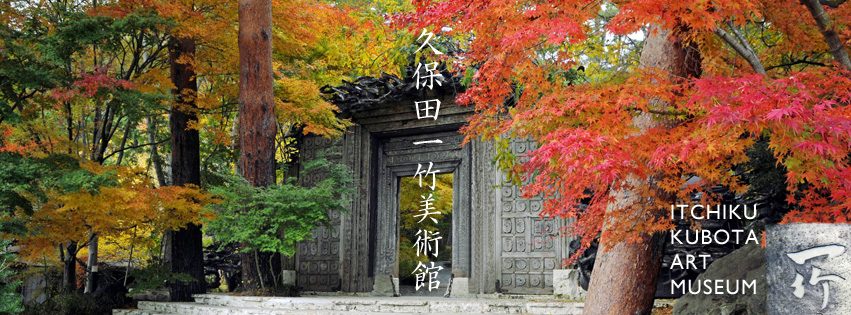
The Itchiku Kubota Art Museum, nestled amidst the scenic beauty of the Fuji Five Lakes region near Lake Kawaguchi, is a testament to the life and work of Itchiku Kubota, a textile artist who revived and reimagined the traditional Japanese tsujigahana dyeing technique for contemporary times. Kubota’s lifelong dedication to his craft and his unique artistic vision are showcased in this museum, designed to reflect the natural beauty that inspired much of his work.
Kubota (1917-2003) began his career in textile art in his teens, but it wasn’t until he encountered a fragment of tsujigahana fabric, a dyeing technique that flourished in the Muromachi to the early Edo period (14th-17th century), that he found his true calling. Devoting his life to the study and restoration of this lost art, Kubota not only mastered tsujigahana but also infused it with his innovative techniques, creating stunningly intricate and colorful silk kimonos that are considered masterpieces of textile art.
The museum itself is an attraction, featuring architecture that harmoniously blends with the surrounding landscape. The main exhibition hall, where Kubota’s kimono series “Symphony of Light” is displayed, is designed to evoke a sense of unity with nature, a principle that guided much of Kubota’s work. The museum’s gardens, with views of Mount Fuji, further enhance the visitor experience.
Insider Tip:
- Visit during autumn when the museum’s garden is a riot of colors, providing a beautiful contrast to the artworks inside. Additionally, the museum hosts special exhibitions and events throughout the year, offering deeper insights into Kubota’s techniques and legacy.
The Itchiku Kubota Art Museum is more than just an art gallery; it is a place where art, nature, and the enduring spirit of creativity converge, offering a profound and inspiring experience to all who visit.
Yamanashi Prefecture, with its harmonious blend of natural, cultural, and culinary attractions, invites visitors to delve into experiences that encapsulate the essence of Japan. From the awe-inspiring presence of Mount Fuji to the serene beauty of Shosenkyo Gorge and the historical depth found in traditional villages and museums, Yamanashi is a destination that promises both adventure and tranquility. Whether exploring the natural wonders, diving into the thrill of amusement parks, or experiencing the rich taste of local wines, Yamanashi offers a journey filled with memorable moments. Ensure to check the latest information on official websites or through direct contact with each destination to make the most of your visit to this enchanting prefecture.