

Embark on a journey to Shiga Prefecture, a captivating region nestled beside the serene waters of Lake Biwa, Japan’s largest freshwater lake. Shiga offers an enchanting blend of natural beauty, historic sites, and cultural treasures waiting to be discovered. Here are ten must-visit spots in Shiga Prefecture that promise an unforgettable exploration of this lesser-known gem in the heart of Japan.
Lake Biwa Terrace

- Address: 1547 – 1 Kido, Otsu, Shiga 520-0514, Japan
- Business Hours: 8:30 AM – 5:00 PM (Varies by season)
- Closed Days: Varies by season; check the official website for details
- Usage Fee: Ropeway – ¥3,500 for adults (round trip), additional costs for amenities
- Official Website URL: Lake Biwa Terrace
Lake Biwa Terrace, located on the western slopes of Mt. Uchimi, offers a stunning panoramic view of Lake Biwa, Japan’s largest freshwater lake. This modern, scenic spot has quickly become a popular destination for both locals and tourists, drawn to its breathtaking vistas and serene atmosphere. Positioned at an altitude of approximately 1,100 meters, the terrace is part of the Biwako Valley resort area, which provides a range of recreational activities throughout the year.
The terrace’s popularity is boosted by its accessibility via the Biwako Valley Ropeway, one of Japan’s fastest, offering a smooth and scenic ascent to the mountaintop. Upon arrival, visitors are greeted with sweeping views of Lake Biwa and its surrounding mountains, a sight especially captivating during sunrise and sunset when the lake’s surface reflects the sky’s changing colors.
Attractions at Lake Biwa Terrace include stylish outdoor cafes and restaurants where visitors can enjoy local cuisine and beverages while taking in the view. The area also features “The Sky Walk,” a suspended observation deck that offers a feeling of walking in the air above the lake.
Insider Tip:
- The autumn months offer a spectacular display of fall foliage, adding another layer of beauty to the already stunning landscape.
Lake Biwa Terrace is more than just a viewing point; it’s a destination that combines natural beauty, culinary delights, and the thrill of adventure, making it a must-visit for anyone traveling to Shiga Prefecture.
Hikone Castle
- Address: 1-1 Konkicho, Hikone, Shiga 522-0061, Japan
- Business Hours: 8:30 AM – 5:00 PM
- Closed Days: December 29-31
- Entrance Fee: ¥8,00 for adults
- Official Website URL: Hikone Castle
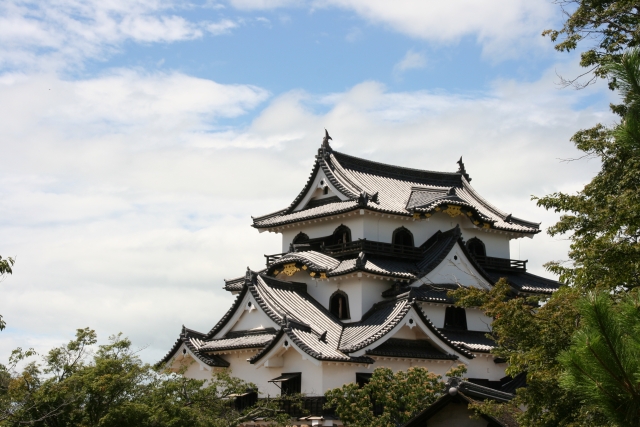
Hikone Castle is one of the country’s most cherished national treasures. Constructed in 1622 during the Edo period, this beautifully preserved castle stands as a testament to Japan’s feudal history and architectural ingenuity. Unlike many other castles in Japan that were reconstructed over the years, Hikone Castle retains much of its original structure, including the main keep, which offers a rare glimpse into the past.
The castle’s strategic position overlooking Lake Biwa adds to its historical significance as a vital point of defense and governance. Its history is closely tied to the Ii family, one of the most influential samurai clans during the Edo period, who resided in the castle for generations.
Attractions at Hikone Castle include the main keep, which houses an extensive collection of armor, weapons, and artifacts related to the castle’s history. The castle’s gardens are another highlight, offering peaceful walks among meticulously maintained landscapes that change beautifully with the seasons. The Genkyuen Garden, designed in the style of a walking garden from the Edo period, is particularly stunning in autumn when the leaves change color.
Insider Tip:
- Visit during the cherry blossom season in spring or when the autumn leaves are at their peak for the most picturesque views of the castle and its surroundings. Additionally, the castle occasionally hosts special evening illuminations, adding a magical atmosphere to this historic site.
Hikone Castle is a must-visit for anyone interested in Japan’s feudal era, offering a blend of natural beauty, history, and architectural elegance.
Enryaku-ji Temple
- Address: 4220 Sakamotohonmachi, Otsu, Shiga 520-0116, Japan
- Business Hours: 9:00 AM – 4:00 PM (may vary by season)
- Closed Days: Open year-round
- Usage Fee: ¥1,000 for adults
- Official Website URL: Enryaku-ji Official Site
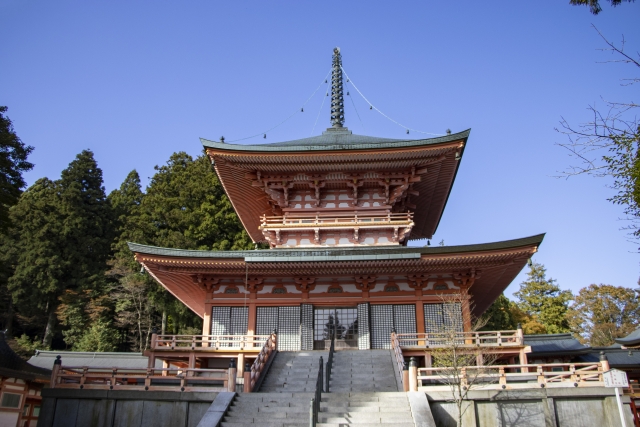
Enryakuji Temple, perched atop Mount Hiei overlooking Kyoto and Lake Biwa, is one of Japan’s most significant and historic temples. Founded in 788 by Saicho, the temple is the headquarters of the Tendai sect of Japanese Buddhism and has played a pivotal role in the country’s religious and political history. Enryakuji is a UNESCO World Heritage Site, celebrated for its profound cultural influence, extensive historical archives, and as a center for Buddhist scholarship.
The temple complex is vast, spread across three main areas: Todo (the east area), Saito (the west area), and Yokawa. Each area boasts unique attractions, including various sub-temples, halls, and pagodas surrounded by ancient forests, offering peaceful retreats and panoramic views. The Konpon Chu-do, the central hall, is particularly noteworthy for its historical significance and continuous religious use.
Enryakuji’s history is marked by periods of both scholarly pursuit and martial power, having once maintained a monastic army to protect its interests. Despite facing destruction in the 16th century, the temple has been beautifully restored, continuing its mission of peace and teaching.
Insider Tip:
- For a truly immersive experience, consider participating in the temple’s overnight stay program, offering visitors a chance to engage in meditation, chanting, and other monastic activities.
Visiting Enryakuji Temple offers a unique opportunity to explore the spiritual heart of Japan amidst the natural beauty of Mount Hiei, providing insights into the country’s rich Buddhist traditions and cultural heritage.
Omihachiman
- Address: Omihachiman, Shiga Prefecture, Japan
- Business Hours: Varies by shop and facility
- Closed Days: Varies by shop and facility
- Usage Fee: Free; boat tours have a fee
- Official Website URL: Omihachiman City
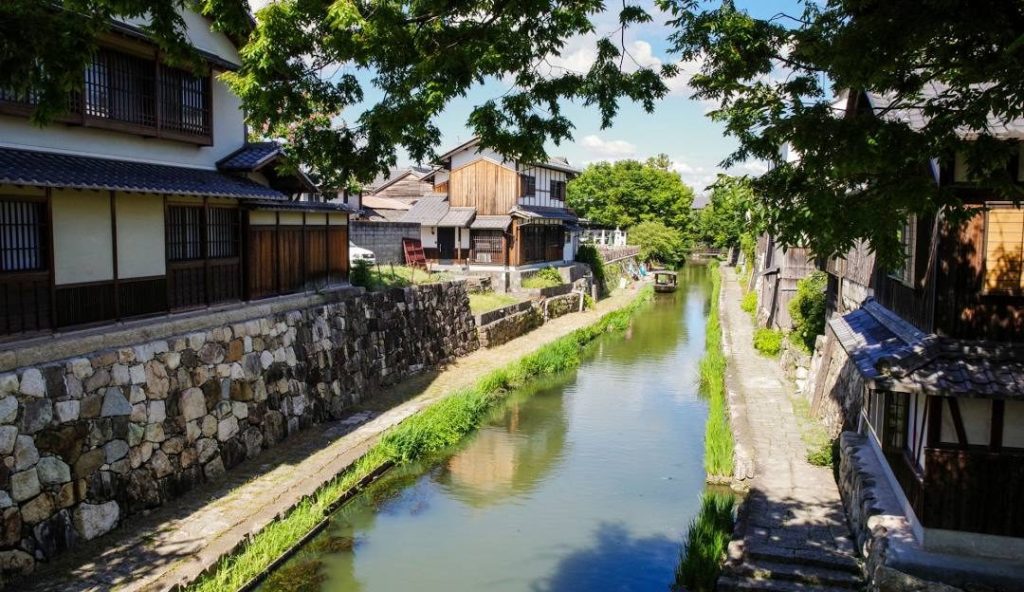
Omihachiman, nestled on the eastern shore of Lake Biwa, is a charming city steeped in history and cultural heritage. Founded in the 16th century by Hachiman Toyotomi, a prominent samurai and merchant, the city flourished as a hub of commerce and transportation, thanks in part to its strategic location and the construction of the Hachiman-bori Canal.
This historical canal, along with the well-preserved merchant houses that line its banks, is a centerpiece of Omihachiman’s attractions, offering a glimpse into the city’s prosperous past. Visitors can enjoy leisurely boat tours along the canal, taking in the serene beauty of the old town, which has been carefully maintained to reflect its Edo period (1603-1868) appearance.
Beyond its historical core, Omihachiman is renowned for Mount Hachiman, accessible by ropeway, providing breathtaking panoramic views of Lake Biwa and the surrounding area. The summit is also home to Hachimanyama Park and the Hachiman Castle ruins, offering enjoyable walks and a touch of history.
Insider Tip:
- Plan your visit in early April to catch the Omihachiman Sagicho Matsuri, a vibrant festival where large, elaborately decorated floats are paraded through the streets and then set ablaze in a spectacular fire ceremony.
Omihachiman’s rich history, scenic beauty, and cultural festivals make it a captivating destination for those looking to explore beyond Japan’s well-trodden tourist paths, offering a peaceful yet enriching experience.
Koka Ninja Village (Koka no Sato Ninjutsu Mura)
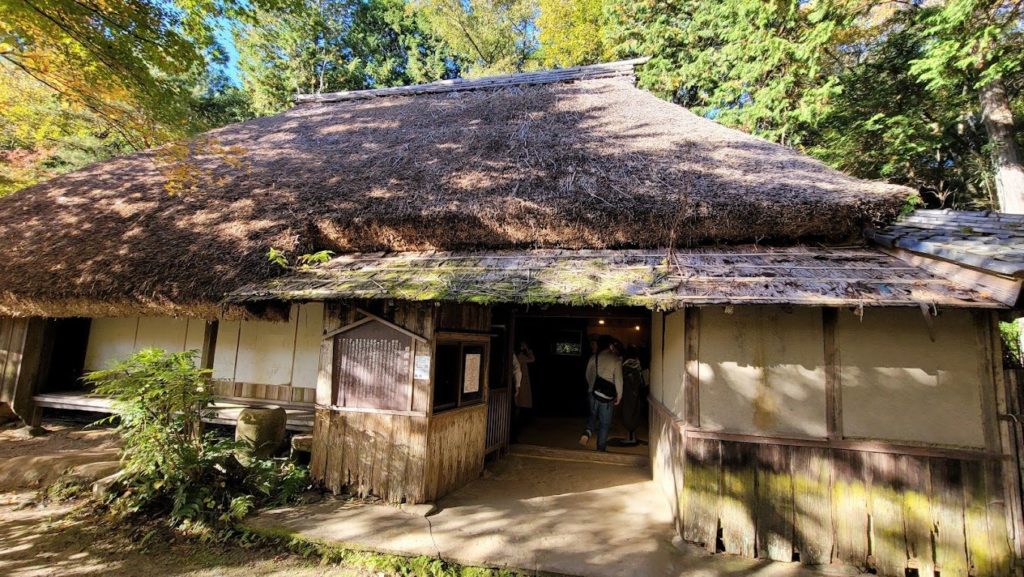
- Address: 394 Kokacho Oki, Koka, Shiga 520-3405, Japan
- Business Hours: 10:00 AM – 5:00 PM (Last admission is 4:00 PM)
- Closed Days: Varies by month
- Usage Fee: ¥1,100 for adults
- Official Website URL: Koka Ninja Village
Koka Ninja Village, also known as Koka no Sato Ninjutsu Mura, is a unique theme park dedicated to the history and practices of the ninja, particularly those from the Koka (or Koga) region, known as one of the birthplaces of ninja alongside Iga. This village offers an immersive experience into the secretive world of these feudal spies and warriors, making it a popular destination for history enthusiasts, families, and anyone interested in the mystique of ninja culture.
The village’s popularity stems from its engaging blend of entertainment and education, allowing visitors to learn about ninja techniques, tools, and lifestyles. Attractions include the Ninja Museum, which houses an extensive collection of ninja artifacts and displays; a traditional ninja house with hidden doors and traps; and an outdoor adventure area where visitors can test their skills on obstacle courses designed to mimic ninja training.
Visitors can also enjoy live demonstrations of ninjutsu (ninja techniques) and shuriken (ninja star) throwing, offering a deeper understanding of the physical prowess and ingenuity that defined the ninja.
Insider Tip:
- Participate in a ninja training session offered by the village to get a hands-on experience of ninja techniques and tools. It’s a fun and educational activity that enhances the visit, especially for children.
Koka Ninja Village serves as a fascinating gateway into the shadowy world of the ninja, offering a mix of historical insight, fun, and adventure that captivates visitors of all ages.
Metasequoia Namiki

- Address: Makinocho Kaizu, Takashima, Shiga 520-1811, Japan
- Business Hours: Open 24/7
- Closed Days: N/A
- Usage Fee: Free
- Website URL: Metasequoia Namiki
Metasequoia Namiki, also known as the Metasequoia-lined Road, is a breathtakingly beautiful avenue located in Takashima. This scenic route, flanked on both sides by towering Metasequoia trees, stretches for approximately 2.4 kilometers, offering a stunning natural tunnel that changes dramatically with the seasons. Initially planted in the 1970s for environmental protection, these trees have grown to create one of Japan’s most picturesque landscapes, drawing visitors from across the country and around the world.
The popularity of Metasequoia Namiki lies in its ethereal beauty and the transformative experience it offers throughout the year. In summer, the lush green canopy provides a cool, shaded walkway, while autumn brings a spectacular display of fiery reds and oranges. Winter covers the trees in a delicate frost, and spring sees the fresh green leaves budding anew, making every visit unique and memorable.
Attractions in the area extend beyond the Metasequoia-lined Road. Nearby Lake Biwa, Japan’s largest freshwater lake, offers additional recreational activities, including boating and cycling along its shores. The local area is also known for its hot springs, traditional inns, and delicious local cuisine, providing a comprehensive experience of Japanese culture and nature.
Insider Tip:
- For the best photographic opportunities, visit during the early morning or late afternoon when the light is softest and the road is less crowded. Autumn, in particular, is a favorite among photographers for its vibrant colors.
Metasequoia Namiki is not just a road but a destination in itself, offering a mesmerizing journey through the changing seasons and a serene escape into nature’s beauty.
Shigaraki Ceramic Cultural Park
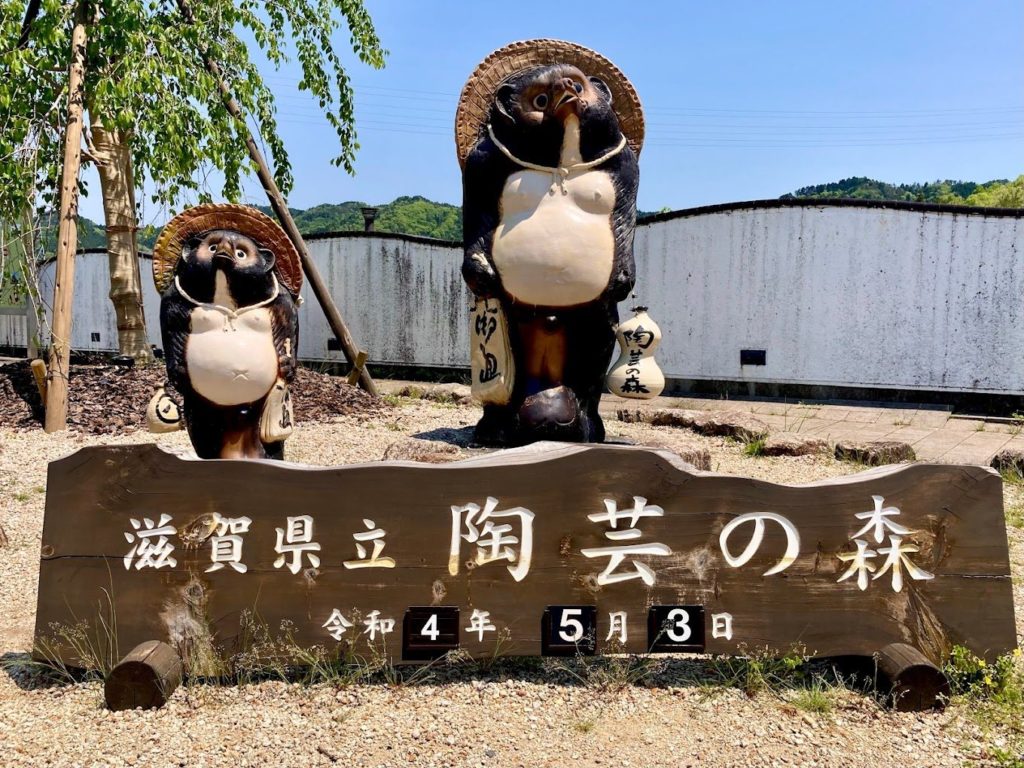
- Address: 2188-7 Chokushi, Koka, Shiga 529-1851, Japan
- Business Hours: 9:30 AM – 5:00 PM
- Closed Days: Monday (If Monday is a national holiday, closed the next day), New Year holidays
- Usage Fee: Free admission; fees for workshops and experiences vary
- Official Website URL: Shigaraki Ceramic Cultural Park
Shigaraki Ceramic Cultural Park, situated in the heart of Koka, serves as a testament to the region’s deep-rooted history and enduring legacy in pottery and ceramics. Shigaraki, one of Japan’s six ancient kilns, has been synonymous with ceramic production for centuries, renowned for its distinctive tanuki (raccoon dog) figurines and rustic pottery that bear the unique, natural beauty of the local clay.
The park’s popularity among artists, enthusiasts, and tourists stems from its comprehensive facilities and programs dedicated to the ceramic arts. It houses several exhibition halls, including The Museum of Contemporary Ceramic Art, which showcases a wide array of both traditional and modern ceramic works, highlighting the versatility and innovation of ceramic artists from around the world.
Attractions within the park also include hands-on workshops and studios where visitors can try their hand at pottery-making, guided by skilled artisans. These workshops provide a unique opportunity to delve into the intricacies of ceramic art and craft personalized creations. The park also features an expansive outdoor sculpture garden, where large-scale ceramic installations blend harmoniously with the natural landscape.
Insider Tip:
- Check the park’s calendar for special exhibitions and events, which often feature renowned artists and thematic showcases, offering a deeper insight into the world of ceramics.
Shigaraki Ceramic Cultural Park not only celebrates the rich heritage of Shigaraki pottery but also fosters a deeper appreciation for the ceramic arts, making it a must-visit destination for anyone interested in the beauty and craftsmanship of ceramics.
Ukimido Pavilion
- Address: 1-16-18, Honkenda, Otsu-shi, Shiga 520-0242
- Business Hours: 8:00 AM – 5:00 PM
- Closed Days: N/A
- Usage Fee: ¥300
- Website URL: Ukimido Pavilion
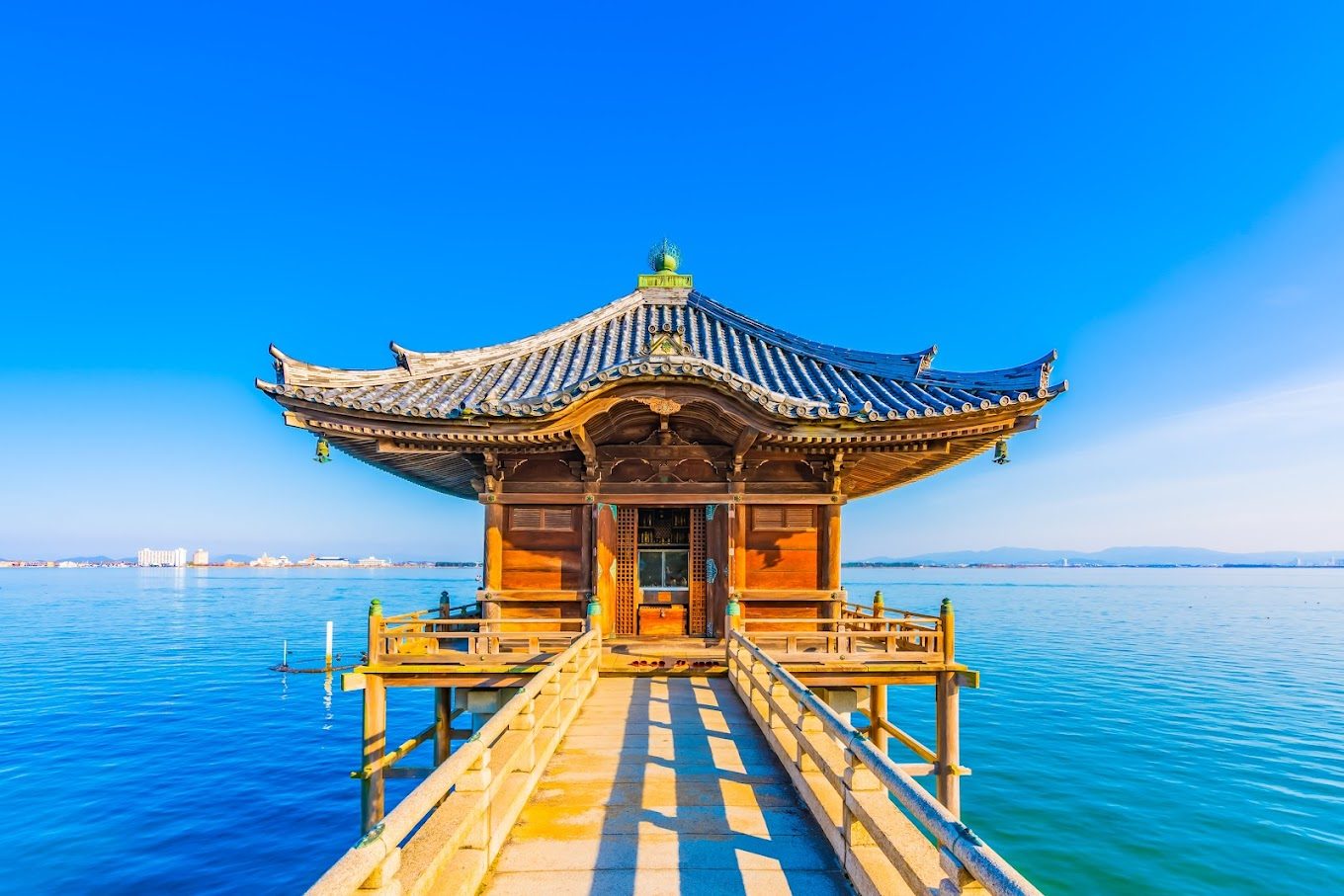
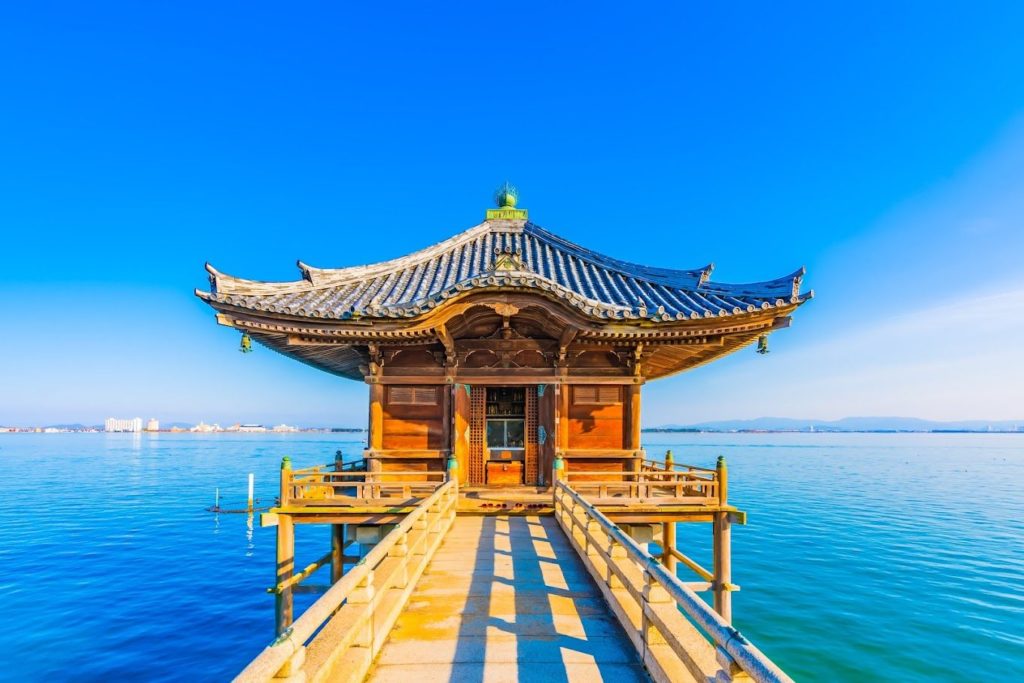
Ukimido Pavilion, also known as the “Floating Pavilion,” is an iconic structure situated in the serene waters of Mangetsu-ji temple’s pond in Katata, on the shores of Lake Biwa. This hexagonal gazebo, gracefully connected to the mainland by a slender bridge, creates a picturesque scene, especially captivating when mirrored in the calm waters of the pond.
The history of Ukimido is intertwined with the spiritual and cultural traditions of the region. Originally constructed to provide a tranquil spot for meditation and reflection, the pavilion has stood as a testament to the beauty of Japanese architecture and its harmonious relationship with nature. Over the years, it has become a symbol of peace and serenity, drawing visitors seeking a moment of quiet contemplation.
The main attraction of Ukimido Pavilion lies in its stunning visual appeal throughout the year. The changing seasons bring new colors and atmospheres to the pavilion, from the lush greens of summer to the fiery hues of autumn, making every visit unique. It’s a favored spot for photography enthusiasts and nature lovers who wish to capture the essence of Japan’s natural beauty.
Insider Tip:
- For an unparalleled experience, visit during early morning or late afternoon when the light is softest and the area is less crowded. The reflections on the water during these times create a magical, almost ethereal landscape.
Ukimido Pavilion stands as a serene reminder of the beauty that can be found in simplicity and harmony with nature, offering visitors a peaceful escape and a chance to connect with the tranquil spirit of Japan.
Michigan Cruise in Lake Biwa

- Address: 5-1-1 Hamaotsu, Otsu, Shiga 520-0047, Japan
- Business Hours: Varies by cruise schedule
- Closed Days: Operation days vary; check the official website for the cruise calendar
- Usage Fee: Prices vary by cruise type; approximately ¥2,400 – ¥3,200 for adults
- Official Website URL: Michigan Cruise
The Michigan Cruise, a beloved attraction on Lake Biwa, offers a unique and leisurely way to experience the beauty of Shiga Prefecture from the water. Styled after a classic American paddle steamer, the Michigan provides a nostalgic yet luxurious ambiance that captivates both locals and tourists. Its operation in the expansive Lake Biwa allows passengers to soak in panoramic views of the surrounding mountains, historical sites, and seasonal landscapes that define the region’s natural beauty.
The cruise has grown in popularity due to its diverse offerings, including daytime sightseeing tours, romantic sunset cruises, and special event cruises that feature live entertainment, such as jazz performances and cultural shows. Each voyage is designed to provide a memorable experience, showcasing the serene allure of Lake Biwa and its islands, as well as offering glimpses of notable landmarks along the shore.
One of the Michigan Cruise’s main attractions is its gourmet dining options. Passengers can indulge in carefully prepared meals that highlight local ingredients, adding a culinary delight to the scenic journey.
Insider Tip:
- For a truly unforgettable experience, book your cruise during the cherry blossom season in spring or when the autumn leaves are at their peak. The lake’s surroundings become a vibrant canvas of colors, providing a stunning backdrop to your cruise.
The Michigan Cruise stands out as a must-do activity in Shiga Prefecture, offering a blend of scenic beauty, relaxation, and culinary excellence, making it a perfect addition to any Lake Biwa itinerary.
Ishiyamadera Temple
- Address: 1-1-1 Ishiyamadera, Otsu, Shiga 520-0861, Japan
- Business Hours: 8:00 AM – 4:30 PM (Entry until 4:00 PM; hours may vary by season)
- Closed Days: Open year-round
- Usage Fee: ¥600 for adults (Depends on season and facility)
- Official Website URL: Ishiyamadera Official Site
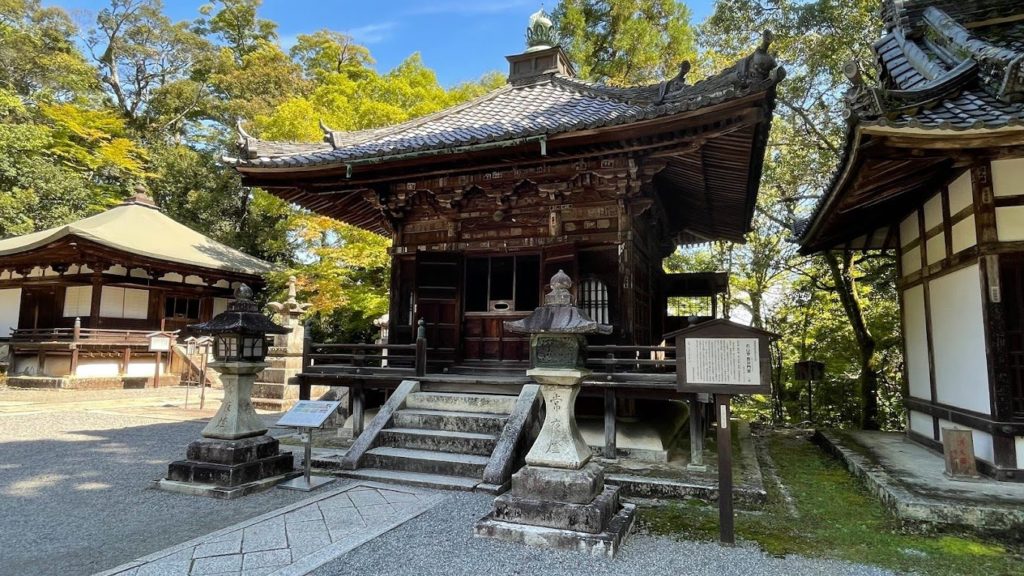
Ishiyama-dera, nestled on the slopes overlooking Lake Biwa, is a venerable Buddhist temple with a rich tapestry of history and cultural significance. Founded in 749 AD under the auspices of Emperor Shōmu, the temple is part of the Kansai Kannon Pilgrimage and is dedicated to the Goddess of Mercy, Kannon. Its name, meaning “Stone Mountain Temple,” derives from the unique rocky landscape on which it stands, adding a natural majesty to the temple’s serene ambiance.
The temple’s historical claim to fame is its connection to the classic Japanese literary work, “The Tale of Genji.” It is believed that Murasaki Shikibu, the author, began writing this seminal novel during her stay at Ishiyama-dera, inspired by the temple’s moon-viewing platform and the picturesque views of Lake Biwa.
Attractions at Ishiyama-dera include the Main Hall, designated as a National Treasure, which houses a revered statue of the Eleven-faced Kannon. The temple’s grounds are a visual treat, with gardens that beautifully showcase seasonal changes, from cherry blossoms in spring to vibrant autumn leaves. The Genji Museum, located within the temple precincts, offers insights into the Heian Period and “The Tale of Genji.”
Insider Tip:
- Visit during the autumn moon-viewing festival to experience the temple in a magical light, with special night-time illuminations and cultural events that celebrate its literary heritage.
Ishiyama-dera is not just a site of religious worship but a beacon of Japanese culture and history, offering a tranquil retreat and a deep dive into the heart of Japan’s literary and spiritual traditions.