

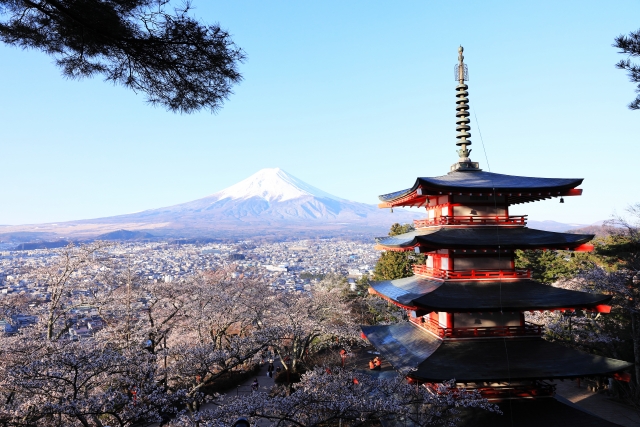
Embark on a captivating journey through Shizuoka Prefecture, a region celebrated for its breathtaking natural landscapes, rich cultural heritage, and the iconic Mount Fuji. From serene tea plantations to historic hot springs, Shizuoka offers a diverse array of experiences that promise to enchant and inspire. Here are seven must-visit spots in Shizuoka, each promising a unique insight into the region’s beauty and tradition.
Mount Fuji

- Address: Shizuoka Prefecture, Japan
- Operating Hours: Climbing season typically from early July to early September
- Closed Days: Outside of climbing season
- Admission Fee: A toll of ¥2,000 per person will be collected at the 5th station trailhead on the Yamanashi side starting in the summer of 2024.
- Official Site: Mount Fuji Official
Mount Fuji, standing at 3,776 meters, is not only Japan’s highest peak but also a symbol of its natural beauty and spiritual significance. This iconic volcano has inspired artists and pilgrims for centuries, shaping Japan’s cultural and religious landscape. Its last eruption was in the early 18th century, yet it continues to be a site of awe and reverence. Recognized as a UNESCO World Heritage Site in 2013, Mount Fuji attracts over 300,000 climbers annually during the July to early September climbing season. Each trail to the summit offers unique challenges and rewards, with the sunrise view from the peak being a sought-after spiritual experience.
The area surrounding Mount Fuji is rich in attractions beyond the climb. The Fuji Five Lakes offer stunning vistas and outdoor activities, while the Aokigahara forest invites exploration with its mysterious caves and dense woods. Cultural festivals, like the Yoshida Fire Festival, celebrate the mountain’s legacy, featuring processions and rituals that underscore its significance in Japanese tradition.
Visitors can also enjoy onsen resorts with Mount Fuji views, providing a relaxing way to appreciate its grandeur. The region’s theme parks, museums, and historical sites offer a blend of entertainment, culture, and education, making the Mount Fuji area a comprehensive destination for all types of travelers. Whether seeking adventure, relaxation, or cultural enrichment, Mount Fuji and its surroundings offer a memorable experience that captures the essence of Japan’s natural beauty and cultural depth.
Shizuoka Sengen Shrine Complex
- Address: 102-1 Miyagasaki, Suruga Ward, Shizuoka City, Shizuoka Prefecture
- Operating Hours: 9:00 AM – 5:00 PM
- Closed Days: Open year-round
- Admission Fee: Free (¥500 for visiting the main shrine)
- Official Site: Shizuoka Sengen Shrine
Shizuoka Sengen Shrine is a venerable complex comprising three individual Shinto shrines: Kanbe Shrine, Sengen Shrine, and Otoshimioya Shrine. With a history that stretches back over 1,200 years, the shrine complex has been a focal point of spiritual life and local culture, originally established to venerate the deities of Mount Fuji and protect the region.
Its storied past includes patronage by Tokugawa Ieyasu, the famed shogun who significantly contributed to the shrine’s current form, enhancing its cultural and historical significance. The shrine complex is renowned for its splendid architecture, including the vibrant red torii gate, meticulously carved ranma (transom panels), and the majestic main hall designated as a cultural property.
Visitors can explore the expansive grounds, enjoy the peaceful atmosphere amidst ancient trees, and participate in traditional rituals and festivals that continue to thrive, connecting the past with the present. One of the highlights is the Shizuoka Festival, a vibrant celebration held in April, where the shrine’s portable mikoshi (shrines) are paraded through the streets, accompanied by traditional music and dance, showcasing the rich cultural heritage of the region.
Shizuoka Sengen Shrine offers a unique blend of history, culture, and spirituality, making it a must-visit for those seeking to immerse themselves in Japan’s rich Shinto traditions and enjoy the serene beauty of its sacred spaces.
Izu Peninsula
- Address: Shizuoka Prefecture, Japan
- Operating Hours: Varies by location
- Closed Days: Varies by location
- Admission Fee: Free for general access; fees for specific attractions vary
- Official Site: Izu Peninsula
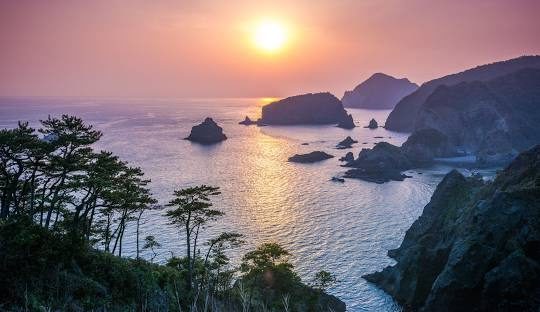
The Izu Peninsula, a picturesque stretch of coastline on Japan’s Honshu island, is a revered destination known for its hot springs, beautiful beaches, and scenic mountain landscapes. Steeped in history, the peninsula was a prominent location in the early Heian period, serving as a place of exile for nobles. Its rich cultural heritage is mirrored in the numerous temples and shrines dotting the landscape, including the Shuzenji Temple, founded by the revered monk Kukai.
Izu is most famous for its onsen (hot springs), with towns like Atami, Ito, and Shuzenji offering a plethora of traditional ryokan (Japanese inns) where visitors can experience the rejuvenating powers of natural hot spring baths. The peninsula’s geothermal activity also gives rise to spectacular natural wonders, such as the Jogasaki Coast, known for its rugged cliffs and the Kadowaki Suspension Bridge, offering breathtaking views of the Pacific Ocean.
Adventure seekers and nature enthusiasts will find solace in the peninsula’s diverse landscapes, from the hiking trails of Mount Omuro, an extinct volcano, to diving spots rich with marine life. The peninsula’s coastline is sprinkled with white sandy beaches like Shirahama Beach, a perfect spot for relaxation and water sports.
Culinary exploration is a must on the Izu Peninsula, with seafood being a staple of the local cuisine. The area’s wasabi farms also offer a unique glimpse into the cultivation of this pungent Japanese condiment, integral to the country’s culinary tradition.
To truly experience Izu, visitors are encouraged to partake in local festivals, such as the Atami Sea Fireworks Festival, which lights up the night sky over Sagami Bay. Stories of the peninsula’s rich historical and cultural tapestry can be heard from locals, offering insights into a region that seamlessly blends natural beauty with tradition.
MOA Museum of Art
- Address: 26-2 Momoyama-cho, Atami, Shizuoka Prefecture
- Operating Hours: 9:30 AM – 4:30 PM (entry until 4:00 PM)
- Closed Days: Thursdays, New Year holidays
- Admission Fee: ¥1,600 for adults
- Official Site: MOA Museum of Art
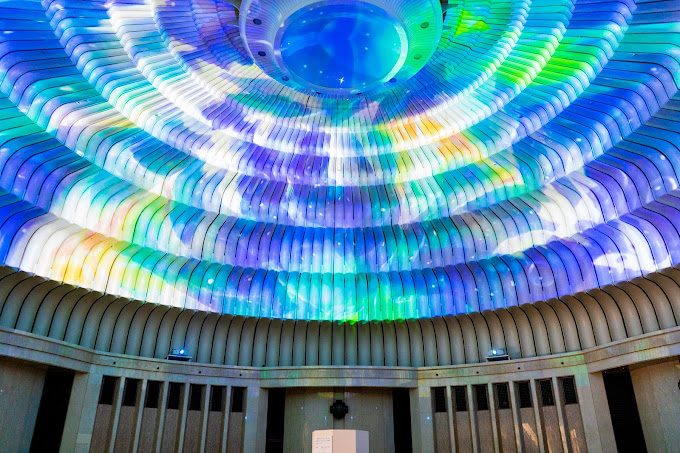
The MOA Museum of Art, nestled in the scenic town of Atami, Shizuoka Prefecture, stands as a beacon of traditional Japanese art and culture. Founded in 1982 by Mokichi Okada, an influential entrepreneur and cultural patron, the museum showcases a wide array of Japanese and East Asian art, including three National Treasures and numerous Important Cultural Properties. Its collection spans several centuries, featuring exquisite paintings, ceramics, sculptures, and metalworks that tell the rich story of Asia’s artistic heritage.
Designed by architect Isoya Yoshida, the museum’s architecture harmoniously blends with its natural surroundings, offering breathtaking views of Sagami Bay and Atami’s lush landscapes. The highlight of the museum is its Noh theater stage, made from cypress wood, where traditional Noh and Kyogen performances transport visitors to the heart of Japan’s esteemed performing arts culture.
Visitors can enjoy the museum’s attractions through various seasonal exhibitions that delve into specific aspects of its extensive collection, along with tea ceremony demonstrations, offering a taste of Japan’s revered tea culture. The museum’s garden, with its meticulously maintained paths and seasonal flowers, provides a serene backdrop for contemplation and appreciation of nature’s beauty.
To enhance the experience, visitors can listen to audio guides that share fascinating insights into the history and significance of the displayed works, narrating stories of ancient craftsmen and the cultural context of their creations. Engaging in these narratives not only enriches the understanding of the artifacts but also connects individuals to the timeless essence of Japanese aesthetics.
The MOA Museum of Art, through its exquisite collection and serene environment, invites art enthusiasts and casual visitors alike to immerse themselves in the depths of Japanese art and culture, offering a profound experience that lingers long after their visit.
Kunō Tōshō-gū
- Address: 390 Negoya, Suruga Ward, Shizuoka City, Shizuoka Prefecture
- Operating Hours: 9:00 AM – 5:00 PM
- Closed Days: Open year-round
- Admission Fee: ¥500 for adults
- Official Site: Kunō Tōshō-gū
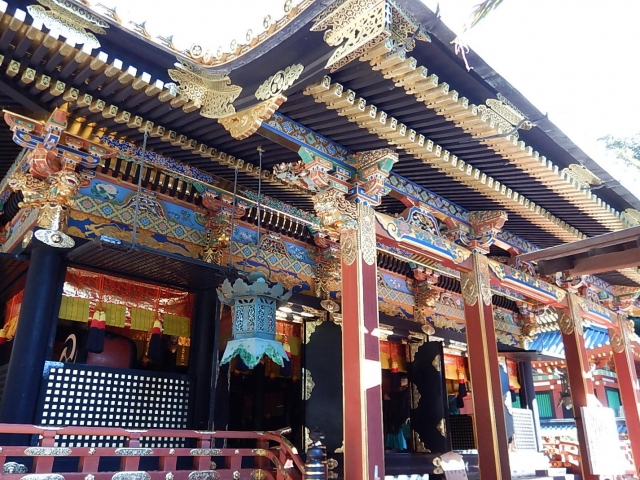
Kunō Tōshō-gū, a Shinto shrine nestled on the slopes of Mount Kunō in Shizuoka Prefecture, Japan, is a testament to the country’s rich cultural and spiritual heritage. Established in 1617, this shrine is dedicated to Tokugawa Ieyasu, the founder of the Tokugawa shogunate, which ruled Japan for over two and a half centuries. Its historical significance is further underscored by its connection to the larger Tōshō-gū shrine network, most famously represented by the Nikkō Tōshō-gū.
Distinguished by its tranquil setting and architectural beauty, Kunō Tōshō-gū is less frequented than its counterpart in Nikkō, offering a more serene experience. Its main hall and several structures are designated as Important Cultural Properties, showcasing the intricate craftsmanship of the Edo period. The shrine’s lush surroundings and meticulously maintained gardens enhance its serene atmosphere, inviting contemplation and reverence.
Visitors can explore the shrine’s premises, where various festivals and ceremonies are held throughout the year, celebrating Ieyasu’s legacy and the shrine’s historical significance. The peony garden, blooming vibrantly in spring, is a particular highlight, drawing nature enthusiasts and photographers alike.
To fully appreciate Kunō Tōshō-gū, guests are encouraged to partake in guided tours, which provide insights into the shrine’s history, architectural details, and the role it plays in the local community’s spiritual life. Listening to stories of Ieyasu’s influence on Japan’s history and the shrine’s establishment enriches the visit, connecting individuals to Japan’s past and its enduring cultural traditions.
Kunō Tōshō-gū serves as a peaceful retreat for those seeking to immerse themselves in Japan’s spiritual heritage, offering a blend of natural beauty, historical significance, and cultural enrichment that captivates all who wander its sacred grounds.
Oigawa Railway
- Address: Shimada City, Shizuoka Prefecture, Japan
- Operating Hours: Varies by service
- Closed Days: Varies by service
- Admission Fee: Varies by route
- Official Site: Oigawa Railway
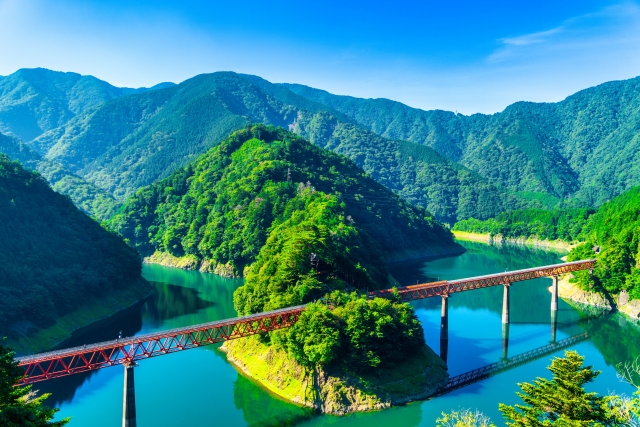
The Oigawa Railway, a historic train line in Shizuoka Prefecture, Japan, offers a journey back in time, captivating both train enthusiasts and travelers with its scenic beauty and rich history. Established in the early 20th century, this railway initially served the dual purpose of transporting passengers and supporting the region’s thriving tea industry. Today, it’s celebrated for its steam locomotive services, which are among the few remaining in Japan, providing a unique and nostalgic travel experience.
Running from Kanaya to Senzu, and branching to Ikawa – Japan’s steepest railway line, the Oigawa Railway traverses through lush landscapes, including tea plantations, the dramatic Oi River valley, and the Southern Alps’ dense forests. The main attraction, the steam train rides, operate on the main line between Kanaya and Senzu, offering a step back into Japan’s rich railroading past. Meanwhile, the Ikawa Line, a rack-and-pinion railway, presents a different kind of adventure, climbing steep inclines to reach the serene Sumatakyo Gorge.
Riding the Oigawa Railway is more than just a means of transport; it’s an experience. Travelers can enjoy the timeless charm of steam locomotion, relish panoramic views of Shizuoka’s natural landscapes, and explore local attractions along the route, such as the Horai Bridge, recognized by Guinness World Records as the longest wooden pedestrian bridge in the world, and the picturesque Sumatakyo Gorge with its renowned “Dream Suspension Bridge.”
To enhance the experience, passengers are encouraged to partake in themed events and seasonal excursions, such as the “Thomas the Tank Engine” train or autumn foliage tours, which the railway frequently hosts. These special rides offer unique entertainment options and the opportunity to see the countryside in different hues, making every journey memorable.
With its blend of historical significance, scenic beauty, and unique attractions, the Oigawa Railway stands as a testament to Japan’s rich cultural heritage and the enduring allure of rail travel.
Makinohara Tea Plantations

- Address: Makinohara, Shizuoka Prefecture, Japan
- Operating Hours: Open access to the plantations; specific tours and facilities have their own schedules.
- Closed Days: Varies by tour provider and facility.
- Admission Fee: Free for general access; fees for guided tours and experiences vary.
- Official Site: Makinohara Tea Plantations
The Makinohara Tea Plantations in Shizuoka Prefecture are a verdant expanse of rolling hills covered in meticulously cultivated tea bushes. These plantations, renowned for producing some of Japan’s finest green tea, paint a picturesque landscape that embodies the essence of the country’s tea culture. The history of tea cultivation in this area dates back to the Edo period, but it was during the Meiji era that the Makinohara Plateau’s vast, sunny terrains were transformed into a major tea-producing region.
Today, the Makinohara Tea Plantations not only contribute significantly to Japan’s tea industry but also serve as a charming tourist attraction. Visitors can immerse themselves in the world of Japanese green tea through guided plantation tours, which often include tea picking experiences, factory visits for a glimpse into the production process, and, of course, tea tasting sessions that introduce the rich flavors and aromas of freshly brewed tea.
To truly enjoy the beauty and tranquility of the Makinohara Tea Plantations, it’s recommended to participate in one of the many tea-related workshops or seasonal events that celebrate the tea harvesting seasons. These activities provide a deeper understanding of the cultural importance of tea in Japan and the intricate art of tea making. Additionally, the panoramic views of the tea fields, especially during the early mornings when a gentle mist envelops the landscape, offer spectacular photo opportunities and a moment of serenity.
Local whispers say that the tea from Makinohara tastes uniquely vibrant thanks to the region’s perfect blend of sunlight, temperature, and humidity. This, coupled with the centuries-old expertise of the tea farmers, makes visiting these plantations a memorable journey through Japan’s rich agricultural heritage and its enduring love affair with tea.
Shizuoka’s Endless Wonders Await
As you conclude your journey through the enchanting landscapes of Shizuoka, from the spiritual serenity of ancient shrines to the natural majesty of Mount Fuji, and the soothing embrace of hot springs, it’s clear that Shizuoka offers a tapestry of experiences bound to captivate any traveler. Each of the eight spots unveils a unique facet of Shizuoka’s charm, inviting you to delve deeper into its rich culture, history, and natural beauty. Whether you’re seeking adventure, relaxation, or cultural immersion, Shizuoka beckons with open arms, promising memories that will linger long after your visit. Discover Shizuoka, and let the journey transform you.