


Welcome to Hiroshima, a city renowned for its history, culture, and natural beauty. In this article, we’ll explore ten essential tourist spots in Hiroshima that offer a glimpse into the city’s rich heritage and enduring spirit. From the iconic Hiroshima Peace Memorial Park to the breathtaking Itsukushima Shrine, each destination promises a memorable experience that will leave a lasting impression.
Hiroshima Peace Memorial Park
- Address: 1-10 Otemachi, Naka Ward, Hiroshima
- Opening Hours: Always Open
- Closing Days: NA
- Admission: Free
- Official Website: Hiroshima Peace Memorial Park
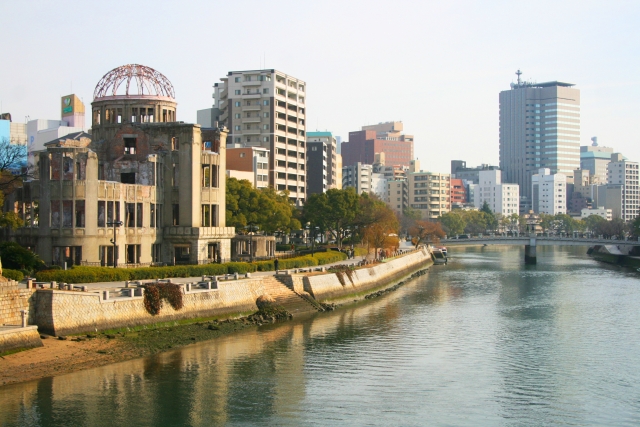
Hiroshima Peace Memorial Park, located in the heart of Hiroshima, is a poignant reminder of the tragic day on August 6, 1945, when the city was subjected to the world’s first atomic bombing during World War II. Established in 1954, the park is dedicated to the memory of the victims, promoting peace and the elimination of nuclear weapons globally. The park spans over 120,000 square meters, featuring various memorials, museums, and lecture halls, all set against a peaceful, scenic backdrop along the Motoyasu River, opposite the A-Bomb Dome, a UNESCO World Heritage Site and an iconic ruin preserved as a stark reminder of nuclear devastation.
The centerpiece of the park is the Hiroshima Peace Memorial Museum, which offers an emotional, educational experience through exhibits that narrate Hiroshima’s history, the horrors of the atomic bomb, and the subsequent efforts towards peace and nuclear disarmament. Adjacent to the museum is the cenotaph, an arched tomb for the bomb’s victims, inscribed with the message, “Let all the souls here rest in peace, for we shall not repeat the evil.” Nearby, the Children’s Peace Monument stands in memory of Sadako Sasaki and thousands of other children who perished, inspired by the story of Sadako and the thousand paper cranes, symbolizing the longing for peace.
Visitors to the park can also find the Flame of Peace, set to burn until the last nuclear weapon is abolished, and the Peace Bell, which guests are encouraged to ring as a commitment to peace. The park’s design, characterized by wide, open spaces, lush greenery, and walking paths, encourages reflection and represents the city’s resilience and hope.
Hiroshima Peace Memorial Park serves not only as a memorial to the victims but also as a testament to Hiroshima’s recovery and its people’s enduring spirit. It stands as a powerful symbol of the commitment to peace, drawing visitors from around the globe to contemplate the past and inspire action towards a peaceful future. The park hosts various events throughout the year, including the Peace Memorial Ceremony on August 6, marking the bombing’s anniversary with solemn observances, prayers for peace, and the release of thousands of lanterns into the river, illuminating the path towards a world without nuclear weapons.
Itsukushima Shrine
- Address: 1-1 Miyajimacho, Hatsukaichi, Hiroshima
- Opening Hours: Varies by season
- Closing Days: None
- Admission: Free (Separate admission fees for specific areas)
- Official Website: Itsukushima Shrine
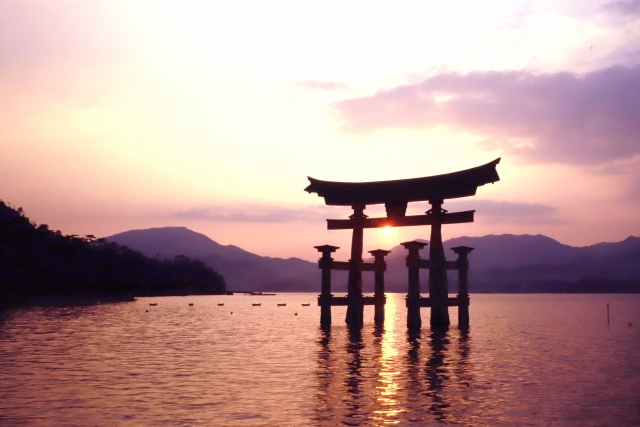
Itsukushima Shrine, a UNESCO World Heritage Site, is a venerable Shinto sanctuary on the island of Miyajima, officially known as Itsukushima. Established in the 6th century and reconstructed in its current form by Taira no Kiyomori in the 12th century, the shrine is celebrated for its iconic “floating” torii gate, which appears to be adrift on the water at high tide. This illusion is a product of the shrine’s unique construction, designed to accommodate the island’s fluctuating tides, embodying the Japanese cultural reverence for nature and the belief in the sacredness of islands.
The shrine complex, harmoniously integrated with the surrounding sea and forest, includes several buildings connected by boardwalks, such as the main hall (Honden), prayer hall (Haiden), and the Noh theater stage, offering a serene and picturesque setting that changes with the tide’s ebb and flow. The torii gate, standing at 16 meters tall and constructed of camphor and cedar, has undergone several reconstructions, the most recent of which commenced in 2019 to preserve its beauty for future generations.
Visitors to Itsukushima Shrine can experience the tranquil beauty of the site, partake in Shinto rituals, and explore the island’s rich history and natural scenery. The shrine is particularly stunning during the high tide when the sea envelops the torii gate and buildings, creating a serene reflection. At low tide, guests can walk up to the torii gate, witnessing its grandeur up close.
The shrine and Miyajima Island host various festivals and events throughout the year, including the Miyajima Water Fireworks Festival and the Kangensai Festival, immersing visitors in Japan’s rich cultural heritage. Additionally, the island offers hiking trails, traditional shops, and the chance to encounter friendly deer roaming freely.
Itsukushima Shrine is not just a site of immense historical and cultural significance but also a testament to Japan’s enduring spirituality and its harmonious relationship with nature. It remains a must-visit destination for those seeking to experience the beauty and tranquility of traditional Japanese shrines, offering insights into the Shinto beliefs that continue to shape the country’s cultural identity.
Hiroshima Castle
- Address: 21-1 Moto-machi, Naka Ward, Hiroshima
- Opening Hours: 9:00 AM – 6:00 PM (Last admission at 5:30 PM)
- Closing Days: December 29th to January 3rd
- Admission: ¥370
- Official Website: Hiroshima Castle
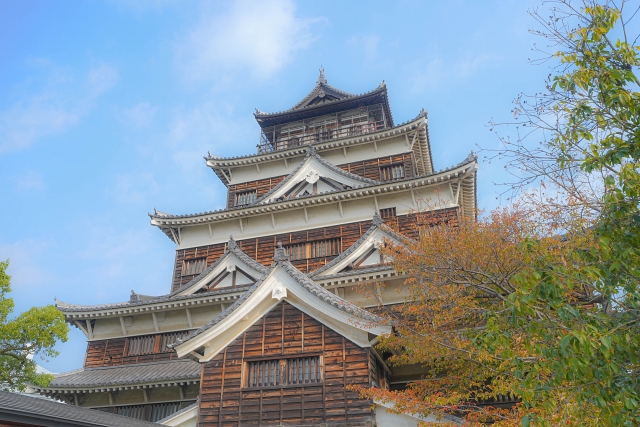
Hiroshima Castle, also known as Carp Castle, is a historic fortress located in Hiroshima, Japan. Originally constructed in the 1590s by Mori Terumoto, a powerful feudal lord of the time, the castle played a crucial role in the region’s military and administrative activities during the Edo period. It was designated as a National Treasure in 1931, but was destroyed by the atomic bomb in 1945. Reconstructed in 1958, the castle now serves as a museum of Hiroshima’s history before World War II.
Surrounded by a scenic moat, Hiroshima Castle’s main keep is a faithful replica of the original structure, featuring an impressive five-story wooden facade. Inside, visitors can explore various exhibits that delve into the castle’s history, samurai culture, and the Edo period’s feudal administration. Artifacts on display include samurai armor, swords, and old maps, offering insights into the lifestyle and martial expertise of Japanese warriors.
One of the unique attractions of Hiroshima Castle is its observatory deck on the top floor, which offers panoramic views of the surrounding cityscape, including the Peace Memorial Park. The castle grounds also contain a few original buildings that survived the bombing, such as the Ninomaru gate, adding a layer of historical authenticity to the site.
The castle’s grounds are particularly popular during cherry blossom season, as they host over 400 cherry trees that bloom spectacularly each spring. This makes it a favorite spot for hanami (flower viewing) parties. Additionally, cultural events and festivals are often held within the castle’s vicinity, providing visitors with an opportunity to experience traditional Japanese culture.
Hiroshima Castle is not only a place for history enthusiasts but also serves as a symbol of resilience and recovery. It stands as a testament to Hiroshima’s rich cultural heritage and its ability to rise from the ashes of war. Visitors to the castle can expect to gain a deeper understanding of Japan’s feudal era, the significance of samurai culture, and the enduring spirit of Hiroshima.
Hiroshima Peace Memorial Museum
- Address: 1-2 Nakajimacho, Naka Ward, Hiroshima
- Opening Hours: 7:30 AM – 7:00 PM
- Closing Days: December 29th to January 1st
- Admission: ¥200 (Adults), Free for Junior High School Students and Younger
- Official Website: Hiroshima Peace Memorial Museum
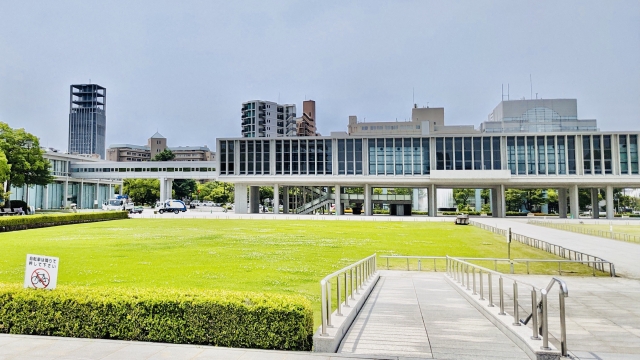
The Hiroshima Peace Memorial Museum, located in Hiroshima Peace Memorial Park, stands as a somber testament to the devastating effects of the atomic bomb dropped on Hiroshima on August 6, 1945. Established in 1955, the museum’s mission is to educate visitors about the horrors of nuclear weapons and advocate for world peace and the elimination of nuclear armament. Its exhibits are divided into the East Building, which focuses on the history of Hiroshima and the events leading up to the bombing, and the Main Building, which presents the aftermath through personal stories, artifacts, and displays that depict the physical and emotional toll on the survivors, known as Hibakusha.
One of the museum’s most poignant exhibits includes a clock stopped at the moment of the explosion, charred clothing, and personal items recovered from the rubble, alongside before-and-after photographs that starkly depict the bomb’s destructive power. Interactive displays and survivor testimonies offer a deeply personal view of the tragedy, emphasizing the human cost of war and the urgent need for peace.
The museum is part of the Hiroshima Peace Memorial Park, which also features the Atomic Bomb Dome, a UNESCO World Heritage Site, and other monuments dedicated to the victims. The park and museum together serve as a place of reflection and learning, attracting over a million visitors annually from around the world.
Visitors to the Hiroshima Peace Memorial Museum can take part in various educational programs, including peace workshops and talks by atomic bomb survivors. The museum’s extensive research center provides resources for those interested in the study of nuclear disarmament and peace studies.
By presenting the facts of the atomic bombing alongside the personal stories of its survivors, the Hiroshima Peace Memorial Museum plays a crucial role in ensuring that the world remembers the consequences of nuclear warfare and continues to work towards a future free from nuclear threats. It stands as a beacon of hope for peace, reminding us of the resilience of the human spirit and the power of collective memory in shaping a more peaceful world.
Miyajima (Itsukushima Island)
- Address: Miyajimacho, Hatsukaichi, Hiroshima
- Opening Hours: Always Open
- Closing Days: NA
- Admission: Free (Separate admission fees for specific attractions)
- Official Website: Miyajima Tourism
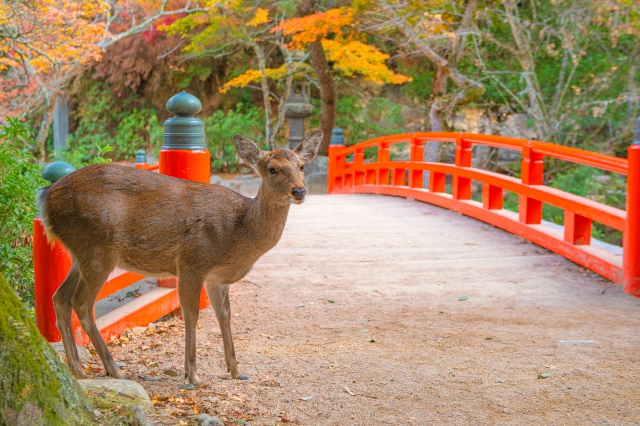
Miyajima, formally known as Itsukushima, is a scenic island in Hiroshima Bay, renowned for its lush forests, ancient temples, and the iconic “floating” Great Torii gate of Itsukushima Shrine. This UNESCO World Heritage site is steeped in history and spirituality, with human presence dating back to the 6th century. The island’s name, Miyajima, translates to “Shrine Island” in English, highlighting its religious significance.
The centerpiece of Miyajima’s attractions is Itsukushima Shrine, established in the 12th century and dedicated to the three daughters of the Shinto god of seas and storms. The shrine and its torii gate appear to float on water at high tide, creating a breathtaking and highly photogenic scene. This phenomenon symbolizes the sacred nature of the island, where commoners were not allowed to set foot until the Edo period, to maintain its purity.
Apart from Itsukushima Shrine, Miyajima offers a variety of other historical and natural attractions. The Daisho-in Temple, located at the foot of Mount Misen, is one of the most important temples of Shingon Buddhism, featuring numerous statues, stupas, and prayer wheels. The hike or cable car ride up Mount Misen provides visitors with stunning views of the Seto Inland Sea and, on clear days, as far as Hiroshima city.
Miyajima is also famous for its population of friendly, free-roaming deer considered sacred messengers of the gods in Shintoism. Visitors can interact with these gentle creatures as they explore the island’s attractions.
The island is renowned for its culinary offerings, especially its fresh oysters and the unique maple leaf-shaped momiji manju cakes. These local delicacies add a flavorful dimension to the Miyajima experience, making it a treat for both the eyes and the palate.
Visiting Miyajima offers a blend of natural beauty, spiritual serenity, and cultural richness, making it a must-visit destination for anyone traveling to Hiroshima. Whether it’s witnessing the majestic Great Torii gate, exploring ancient temples, or simply enjoying the tranquility of the island, Miyajima promises an unforgettable experience that captures the heart of Japan’s spiritual and natural heritage.
Shukkeien Garden
- Address: 2-11 Kaminoboricho, Naka Ward, Hiroshima, 730-0014, Japan
- Opening Hours: 9:00 AM – 6:00 PM (March to September), 9:00 AM – 5:00 PM (October to February)
- Closing Days: December 29th to January 3rd
- Admission: ¥260
- Official Website: Shukkeien Garden
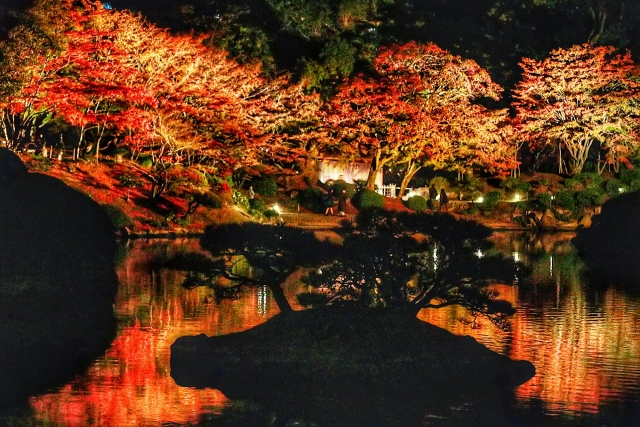
Shukkeien Garden is a historic Japanese garden that embodies the traditional aesthetics of a miniature landscape. Its name, Shukkeien, translates to “shrunken-scenery garden,” which aptly describes the intricate and condensed natural landscapes it features, including miniature valleys, mountains, and forests, all connected by winding paths around ponds and streams, creating an immersive experience of exploring vast landscapes within a confined space.
Designed in 1620 by Ueda Soko, a renowned tea ceremony master and feudal lord’s retainer, the garden served as a villa for the Asano clan, the daimyo of Hiroshima domain. Over the centuries, Shukkeien has been beloved for its serene beauty, offering a peaceful retreat from the urban environment. The garden has endured through the ages, even surviving the atomic bombing of Hiroshima in 1945, after which it was restored to its former glory and reopened to the public.
Visitors to Shukkeien can enjoy a variety of scenic vistas that change with the seasons. Spring brings the delicate beauty of cherry blossoms, while autumn transforms the garden with vibrant hues of red and gold. The garden’s central pond, Takueichi, is dotted with small islands and bridges, inviting guests to explore every nook and cranny. Alongside its natural beauty, Shukkeien also houses tea houses where visitors can participate in traditional tea ceremonies, adding a cultural dimension to their visit.
The garden is not only a place for leisure but also a venue for learning about Japanese gardening techniques and the philosophy behind landscape design. It offers a tranquil environment for meditation and reflection, drawing both locals and tourists seeking solace and inspiration.
Shukkeien Garden remains a testament to the resilience and enduring beauty of Hiroshima, providing a space for contemplation and appreciation of nature’s artistry. Whether wandering its paths, admiring the seasonal flowers, or enjoying a quiet moment by the koi-filled ponds, visitors are sure to find peace and beauty in this meticulously crafted landscape.
Hiroshima City Museum of Contemporary Art
- Address: 1-1 Hijiyama Koen, Minami Ward, Hiroshima
- Opening Hours: 10:00 AM – 5:00 PM
- Closing Days: Mondays
- Admission: ¥350 (Adults), Free for High School Students and Younger
- Official Website: Hiroshima MOCA
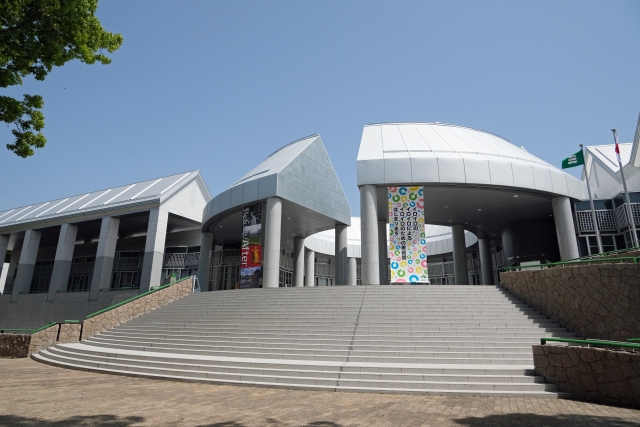
The Hiroshima City Museum of Contemporary Art, established in 1989, stands as a beacon of modern artistic expression in the heart of Hiroshima. Nestled atop Hijiyama Hill, a site known for its lush greenery and panoramic views of the city, the museum was designed by the renowned architect Kisho Kurokawa, embodying a harmonious blend of nature and architecture. It holds the distinction of being the first public museum in Japan dedicated exclusively to contemporary art, signifying Hiroshima’s commitment to cultural rejuvenation and global dialogue through the arts.
The museum’s collection spans a diverse range of modern and contemporary art, including works by both Japanese and international artists. It features paintings, sculptures, and installations that reflect on the themes of peace, memory, and human existence, echoing Hiroshima’s unique historical context as a city reborn from the ashes of the atomic bomb. Among its notable pieces are works by artists such as Henry Moore, whose sculpture “Arch” elegantly graces the museum’s entrance, symbolizing the resilience and hope of humanity.
In addition to its permanent collection, the Hiroshima City Museum of Contemporary Art regularly hosts temporary exhibitions showcasing cutting-edge trends in contemporary art. These exhibitions provide a platform for emerging artists and offer fresh perspectives to visitors, making each visit a unique encounter with the evolving landscape of modern art.
The museum also serves as a vibrant cultural hub, offering educational programs, workshops, and lectures aimed at engaging the community and fostering an appreciation for contemporary art. Its location in Hijiyama Park makes it a perfect destination for art enthusiasts and nature lovers alike, inviting visitors to explore the interconnectedness of art, history, and the natural environment.
For those looking to immerse themselves in the world of contemporary art, the Hiroshima City Museum of Contemporary Art offers a profound and reflective experience. It stands as a testament to Hiroshima’s enduring spirit and its embrace of creativity as a pathway to understanding and peace.
Hiroshima Orizuru Tower
- Address: 1-2-1 Otemachi, Naka Ward, Hiroshima
- Opening Hours: 10:00 AM – 6:00 PM
- Closing Days: None
- Admission: ¥2,200
- Official Website: Hiroshima Orizuru Tower
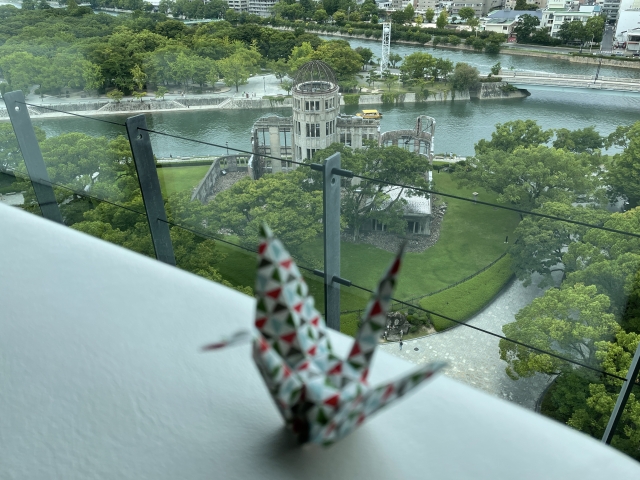
The Hiroshima Orizuru Tower, a relatively new addition to Hiroshima’s skyline, opened in 2016 as a multi-purpose facility that combines modern architecture with commemorative cultural significance. Standing next to the Atomic Bomb Dome, the tower offers a unique perspective on the city’s past, present, and future. Designed with the aim of fostering peace and hope, the tower’s name, “Orizuru,” meaning paper crane in Japanese, is symbolic. The paper crane has become an international emblem of peace, thanks largely to the story of Sadako Sasaki, a young girl who, after being exposed to the atomic bombing, folded paper cranes in hope of recovering from leukemia.
Spanning 13 floors, the tower features an observation deck that provides panoramic views of Hiroshima, including the Peace Memorial Park and the broader cityscape. The view juxtaposes the city’s tragic history with its vibrant present, serving as a powerful reminder of resilience and rebirth.
One of the tower’s most engaging attractions is the Orizuru Wall, where visitors can fold their own paper cranes and add them to a collective art installation, symbolizing individual contributions to the global wish for peace. This interactive exhibit not only connects visitors with the historical significance of the paper crane but also allows them to actively participate in creating a piece of art that stands for unity and hope.
Additionally, Hiroshima Orizuru Tower hosts a variety of shops and cafes, each offering a blend of local culture and modern convenience. The tower’s facilities are designed to encourage visitors to reflect on Hiroshima’s history while enjoying contemporary amenities and entertainment options.
For those interested in technology, the tower features innovative uses of augmented reality (AR) to enhance the visitor experience. Through AR apps, visitors can view historical photographs and learn about the impact of the atomic bomb on the landscape they are observing from the tower.
Hiroshima Orizuru Tower represents a forward-looking approach to memorialization, combining breathtaking views, interactive art, modern technology, and a message of peace. It invites visitors to contemplate Hiroshima’s past and its commitment to a future free from nuclear weapons, all while engaging with the city’s vibrant culture and community spirit.
Mazda Museum

- Address: 3-1 Shinchi, Fuchu-cho, Aki-gun, Hiroshima, 730-8670, Japan
- Opening Hours: 9:00 AM – 2:15 PM
- Closing Days: Saturday and Sundays
- Admission: Free
- Official Website: Mazda Museum
The Mazda Museum serves as a dynamic showcase for the Mazda Motor Corporation, offering visitors a comprehensive look at the company’s rich history, innovative technology, and forward-thinking philosophy towards automobile manufacturing. Established by the Mazda Motor Corporation, which has its roots deeply embedded in Hiroshima, the museum presents a fascinating journey through the evolution of one of Japan’s most iconic car brands, highlighting its contributions to the global automotive industry.
Upon entering the museum, visitors are greeted with an array of exhibits that span the entire spectrum of Mazda’s history, from its early days as a manufacturer of cork products to its pioneering developments in automotive engineering, such as the rotary engine. The museum’s meticulously curated collection includes a wide variety of vehicles, including classic models that have made a significant impact on car culture, groundbreaking concept cars that showcase Mazda’s vision for the future, and the latest production vehicles that embody the company’s current technological advancements and design philosophy.
One of the museum’s highlights is the assembly line exhibit, offering a behind-the-scenes look at Mazda’s manufacturing process. Visitors have the rare opportunity to observe part of the actual car production line, providing insight into the precision and care involved in building modern automobiles. This exhibit not only demonstrates Mazda’s commitment to quality and innovation but also highlights the company’s dedication to sustainable manufacturing practices.
In addition to exploring the historical and technical aspects of Mazda’s vehicles, the museum also delves into the company’s corporate culture and its efforts to contribute to society through environmental initiatives and safety advancements. Interactive displays and knowledgeable guides enrich the visitor experience, making complex engineering concepts accessible to everyone, from car enthusiasts to families looking for an educational outing.
Guided tours of the Mazda Museum are available, offering detailed explanations of the exhibits and the chance to engage with the museum’s knowledgeable staff. These tours are highly recommended for those looking to gain a deeper understanding of Mazda’s role in the automotive world and its vision for the future of mobility.
Located near Mazda’s Hiroshima headquarters, the Mazda Museum is not just a testament to the company’s past achievements but also a statement of its ongoing commitment to innovation, sustainability, and the joy of driving. Visitors leave with a greater appreciation for the art and science of car making, as well as the global impact of one of Hiroshima’s most famous corporations.
Hiroshima City Asa Zoological Park

- Address: Dobutsuen Asacho, Asakita Ward, Hiroshima
- Opening Hours: 9:00 AM – 4:30 PM
- Closing Days: Thursday
- Admission: ¥510 (Adults), ¥170 (Elementary and Junior High School Students), Free for Preschool Children
- Official Website: Hiroshima City Asa Zoological Park
Hiroshima City Asa Zoological Park, nestled in the serene outskirts of Hiroshima, stands as a testament to the city’s commitment to wildlife conservation, environmental education, and family-friendly recreation. Established in 1971, this expansive zoological garden spans over 50 hectares, making it one of the largest zoos in Western Japan. It’s a sanctuary for over 160 species, including rare and endangered animals, offering visitors an opportunity to marvel at the diversity of life on Earth and learn about the importance of preserving natural habitats.
The zoo’s layout is meticulously designed to mimic natural habitats as closely as possible, promoting the well-being of the animals and enhancing the visitor experience. From the African Savannah to the dense forests of Asia, each section of the zoo invites guests on a journey across continents, showcasing species in environments that reflect their natural surroundings. Noteworthy exhibits include the Asian Elephant enclosure, the Chimpanzee Forest, and the Japanese Serow habitat, highlighting the zoo’s global and local conservation efforts.
One of the highlights of Hiroshima City Asa Zoological Park is its commitment to educational outreach and conservation. The zoo actively participates in international breeding programs for endangered species, contributing to global efforts to preserve biodiversity. Additionally, it offers a wide range of educational programs designed to inspire visitors of all ages, from interactive workshops and guided tours to behind-the-scenes experiences that provide insight into the daily care of animals and the challenges of wildlife conservation.
The zoo also features children’s petting areas, where youngsters can interact closely with domestic animals, fostering a sense of empathy and understanding for living creatures. These hands-on experiences are complemented by the zoo’s engaging signage and multimedia displays, which offer fascinating facts about the animals and their ecosystems.
For those looking to take a break and soak in the natural beauty of the park, Hiroshima City Asa Zoological Park offers several picnic areas and scenic walking paths. The lush landscapes and tranquil ponds provide a peaceful retreat from the hustle and bustle of city life, making the zoo a perfect destination for a family outing or a leisurely day spent in the company of nature.
In summary, Hiroshima City Asa Zoological Park is not just a place to see animals but a vibrant educational platform dedicated to fostering a deeper appreciation for wildlife and the environment. Through its comprehensive exhibits, conservation initiatives, and educational programs, the zoo plays a crucial role in promoting environmental stewardship and offering an enriching experience for visitors from Hiroshima and beyond.
Hiroshima offers a wealth of cultural, historical, and natural attractions that promise to captivate visitors from around the world. Whether you’re exploring the city’s poignant memorials, admiring its scenic landscapes, or immersing yourself in its vibrant cultural scene, Hiroshima invites you to embark on a journey of discovery and reflection. So come and experience the beauty, resilience, and spirit of Hiroshima, where the past meets the present in a harmonious embrace.