


Embark on a journey to Nara, Japan’s ancient capital, where history and nature intertwine to create a tapestry of cultural richness. This guide delves into the top ten must-visit spots in Nara, each offering a unique glimpse into Japan’s storied past and vibrant present. Embrace the serenity of ancient temples, marvel at the natural beauty of sprawling parks, and immerse yourself in the city’s enduring traditions. Here are the recommended destinations, rich in history, charm, and ways to enjoy, with an eye toward optimizing your experience for both search engines and unforgettable memories.
Todai-ji Temple
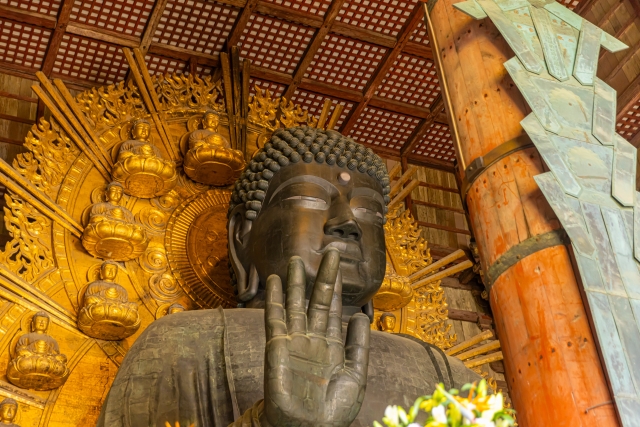
- Address: 406-1 Zoshicho, Nara, Nara Prefecture 630-8211, Japan
- Hours: 7:30 AM – 5:30 PM (varies by season)
- Admission: ¥600
- Official Website: Todai-ji Official Website
Nestled in the heart of Nara, Japan’s first permanent capital, Todai-ji Temple is a monumental testament to the country’s Buddhist heritage and architectural prowess. Founded in the 8th century by Emperor Shomu, this UNESCO World Heritage site is renowned for housing the world’s largest bronze statue of the Buddha Vairocana, known as Daibutsu. The temple’s Great Buddha Hall, reputed to be the largest wooden structure of its kind, showcases the zenith of ancient Japanese craftsmanship and religious artistry. Beyond its historical and architectural significance, Todai-ji offers visitors a serene and profound spiritual experience amidst the natural beauty of Nara Park, where deer roam freely. Whether you’re marveling at the Daibutsu, exploring the vast temple grounds, or participating in seasonal festivals, Todai-ji provides a window into the soul of ancient Japan, making it a must-visit for history buffs, spiritual seekers, and every traveler in between.
Nara Park
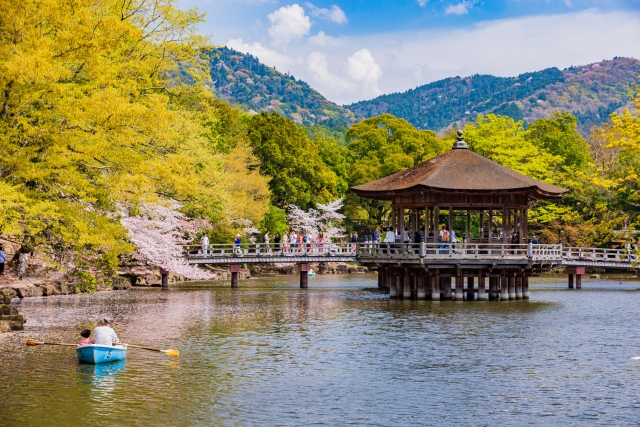
- Address: Within central Nara City, Nara Prefecture
- Hours: Always open
- Admission: Free; fees for temple entries vary
- Official Website: Nara Park
Nara Park, located in the heart of Nara City, is a sprawling public space known for its historical significance and natural beauty. Established in 1880, this expansive park is one of the oldest in Japan and has become synonymous with the freely roaming Nara deer, considered messengers of the gods in the Shinto religion. Spanning approximately 660 hectares, Nara Park encompasses several of Japan’s most renowned cultural and historical sites, making it a must-visit destination for anyone exploring the ancient capital.
The park’s attractions are numerous and diverse. It is home to World Heritage Sites such as Todai-ji Temple, housing the Great Buddha (Daibutsu), and Kasuga-taisha Shrine, known for its hundreds of stone lanterns. The Nara National Museum and the beautiful Isuien Garden are also within the park’s boundaries, offering insights into Japan’s rich history and traditional landscape design.
The deer, with their gentle demeanor, are undoubtedly the stars of Nara Park. Visitors can interact with these iconic creatures, feeding them special crackers sold within the park, under the watchful guidance of signs advising on how to safely feed the deer.
Insider Tip:
- Visit during the early morning or late afternoon to avoid the crowds and to see the park in a more serene setting. Additionally, spring and autumn offer spectacular views of cherry blossoms and colorful foliage, enhancing the park’s natural beauty.
Nara Park is not just a scenic locale but a window into Japan’s cultural heart, offering a unique blend of natural wonder, history, and tradition in a single, accessible location.
Kasuga Taisha
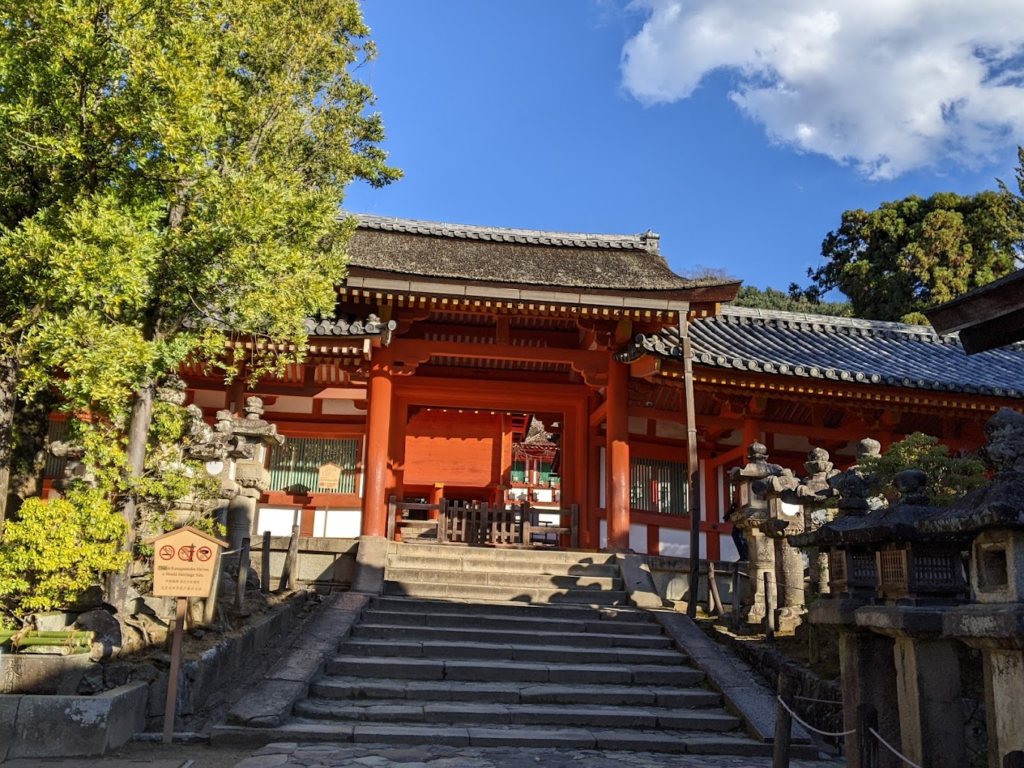
- Address: 160 Kasuganocho, Nara, Nara Prefecture 630-8212, Japan
- Hours: 6:30~5:30 (Mar-Oct), 7:00~5:00 (Nov-Feb)
- Admission: Free; separate fees for museum and inner area
- Official Website: Kasuga Taisha Official Website
Kasuga Taisha, established in 768 AD and nestled in the verdant expanse of Nara Park, is one of Japan’s most esteemed Shinto shrines. Founded by the Fujiwara clan, one of the most powerful clans in Japanese history, the shrine was dedicated to the deity responsible for protecting the city of Nara, Japan’s capital during the 8th century. Its long history is intertwined with the cultural and spiritual life of Japan, making it a key destination for both worshippers and visitors.
The shrine is renowned for its hundreds of bronze and stone lanterns, donated by worshippers, which line its pathways and the area surrounding the shrine. These lanterns are lit twice a year during the Lantern Festivals in early February and mid-August, creating a mesmerizing spectacle that illuminates the ancient forest.
Attractions at Kasuga Taisha include the main hall, designated as a National Treasure, and the many auxiliary shrines within its precincts, each dedicated to different gods and goddesses. The shrine’s architecture, characterized by its vivid vermilion columns and white walls, stands out beautifully against the lush green backdrop of Nara Park.
Insider Tip:
- For a truly magical experience, visit during one of the Lantern Festivals when the shrine and its surroundings are lit up, showcasing the serene beauty of Kasuga Taisha in a different light. Additionally, exploring the shrine early in the morning can offer a more tranquil and personal experience.
Kasuga Taisha is not merely a historical site but a living cultural heritage, offering insights into Japan’s Shinto traditions and the timeless beauty of spiritual devotion.
Kofuku-ji Temple
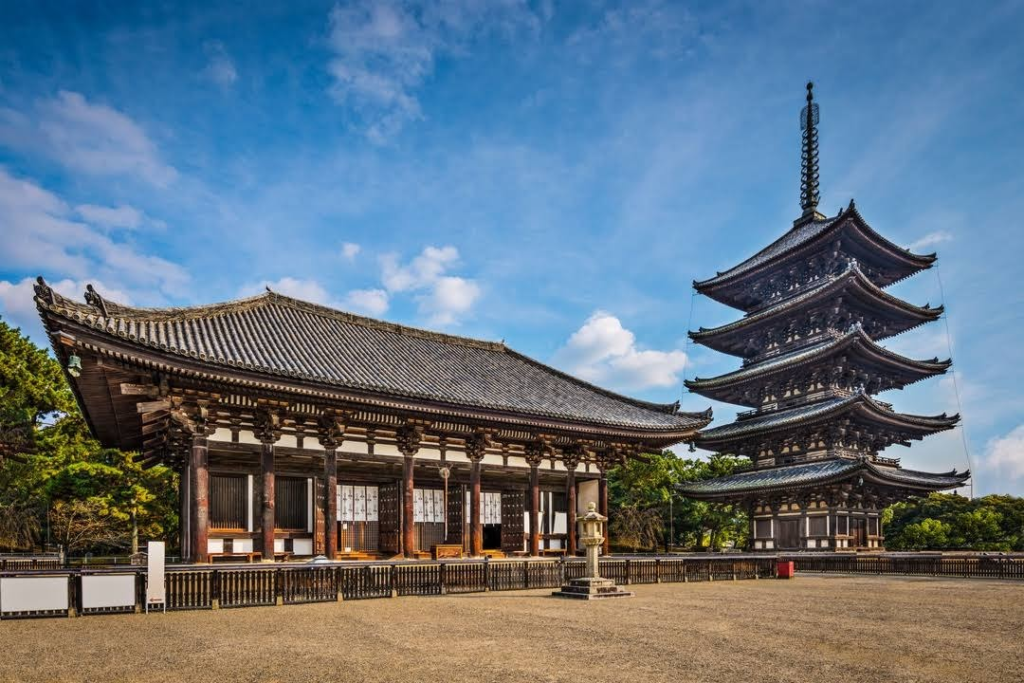
- Address: 48 Noboriojicho, Nara, Nara Prefecture 630-8213, Japan
- Hours: 9:00 AM – 5:00 PM
- Admission: ¥500
- Official Website: Kofuku-ji Official Website
Kofuku-ji Temple, a pivotal symbol of Nara, stands as a testament to the city’s rich Buddhist heritage and architectural grandeur. Originally established in 669 AD in Kyoto before being relocated to Nara in 710 AD, Kofuku-ji served as the family temple of the powerful Fujiwara clan. Its historical significance and architectural marvels have earned it a place as a UNESCO World Heritage Site, alongside other historic monuments of ancient Nara.
The temple complex boasts several significant structures, including the Five-story Pagoda, Japan’s second tallest, which dominates Nara’s skyline as a landmark of ancient engineering and aesthetic design. The Central Golden Hall (Chukondo), recently restored, serves as the principal place of worship, housing important Buddhist statues and artifacts that reflect the temple’s spiritual legacy.
Attractions at Kofuku-ji go beyond its stunning buildings. The National Treasure Museum, part of the temple grounds, houses a vast collection of Buddhist art, including statues, paintings, and ceremonial objects, some of which are designated National Treasures and Important Cultural Properties. The Eastern Golden Hall (Tokondo) also contains priceless statues, offering a glimpse into the profound religious and artistic achievements of Japan’s past.
Insider Tip:
- While the temple grounds are open to visitors throughout the year, autumn provides a particularly breathtaking backdrop, with the changing leaves framing the ancient structures in vibrant hues.
Kofuku-ji Temple remains a cornerstone of Nara’s cultural and religious life, inviting visitors to delve into the depths of Japan’s Buddhist history and architectural beauty.
Nara National Museum
- Address: 50 Noboriojicho, Nara, Nara Prefecture 630-8213, Japan
- Hours: 9:30 AM – 6:00 PM
- Closed Days: Monday
- Admission: ¥520 (varies by exhibition)
- Official Website: Nara National Museum Official Website
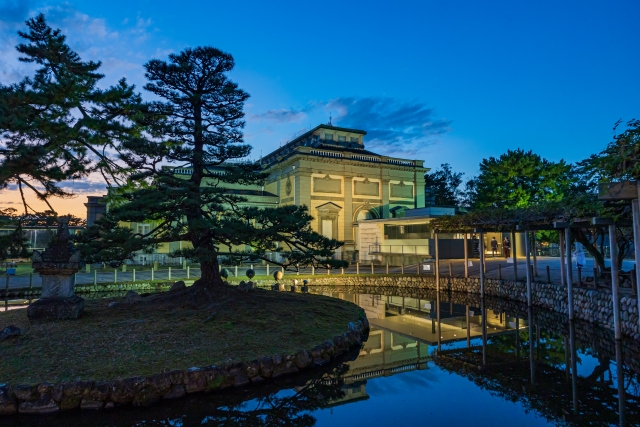
The Nara National Museum, nestled in the lush environs of Nara Park, is a cultural institution dedicated to preserving and showcasing the rich artistic heritage of Japan, with a particular focus on Buddhist art. Established in 1889, the museum has played a pivotal role in the research, preservation, and exhibition of Buddhist sculptures, paintings, and ritual objects, many of which date back to the Nara and Heian periods, marking it as a key destination for understanding Japan’s historical and religious developments.
The museum’s collection is housed in two main buildings: the original French Renaissance-style building and the newer East Wing, designed to harmonize with Nara’s historic landscape. Together, they offer a comprehensive journey through Japan’s Buddhist art history, from ancient times to the modern era. Notable attractions include the museum’s extensive collection of statues, ceremonial implements, and the annual Shoso-in Exhibition, which displays treasures from the Shoso-in Repository, related to Emperor Shomu and the Todai-ji Temple.
Insider Tip:
- Plan your visit during the autumn when the museum hosts the Shoso-in Exhibition. This event showcases rare artifacts from the 8th century that are not usually accessible to the public, offering a unique glimpse into the cultural wealth of ancient Japan. Additionally, visiting on weekdays can provide a more leisurely experience, allowing for deeper engagement with the exhibits.
The Nara National Museum stands as a guardian of Japan’s Buddhist art and cultural history, offering visitors a profound insight into the spiritual and artistic achievements that have shaped the nation.
Horyu-ji Temple
- Address: 1-1-1 Horyuji Sannai, Ikaruga, Ikoma District, Nara 636-0115, Japan
- Hours: 8:00 AM – 5:00 PM (varies by season)
- Admission: ¥1,500 (Combined ticket for Western Precinct, Gallery of Temple Treasures, and Eastern Precinct)
- Official Website: Horyu-ji Official Website
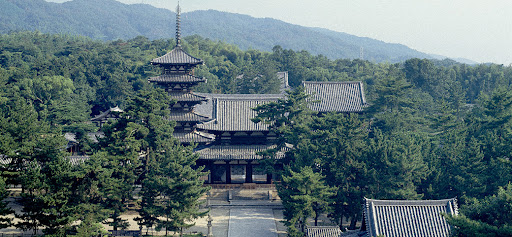
Horyu-ji Temple, located in Ikaruga is a monumental site in the history of Japanese Buddhism and architecture. Founded in 607 AD by Prince Shotoku, a key figure in the early adoption of Buddhism in Japan, Horyu-ji is home to some of the world’s oldest surviving wooden structures. Its historical and architectural significance has earned it a place on the UNESCO World Heritage List, making it an essential visit for those interested in the development of Buddhist culture and early Japanese architecture.
The temple complex is divided into two main areas: the Western Precinct (Saiin Garan) and the Eastern Precinct (Toin Garan). The Western Precinct houses the iconic five-story pagoda and the Main Hall (Kondo), both of which are prime examples of Asuka period architecture and contain ancient Buddhist statues and artifacts. The Eastern Precinct features the Yumedono (Hall of Dreams), a building shrouded in legend and dedicated to Prince Shotoku.
Attractions at Horyu-ji go beyond its historic buildings. The temple’s museum offers a closer look at its collection of art and cultural objects, including ancient scriptures, sculptures, and ritual implements, providing a deeper understanding of the temple’s role in the spread of Buddhism in Japan.
Insider Tip:
- To fully appreciate the architectural and spiritual significance of Horyu-ji, consider joining a guided tour. These tours can offer insights into the temple’s history and details that might be missed when exploring alone. Additionally, visiting in the early morning or late afternoon can help avoid crowds, offering a more serene experience.
Horyu-ji Temple stands as a testament to Japan’s rich spiritual heritage and architectural prowess, offering visitors a profound glimpse into the country’s ancient Buddhist traditions.
Yakushiji Temple:
- Address: 457 Nishinokyocho, Nara, Nara Prefecture 630-8563, Japan
- Hours: 9:00 AM – 5:00 PM
- Admission: ¥1,000
- Official Website: Yakushiji Temple
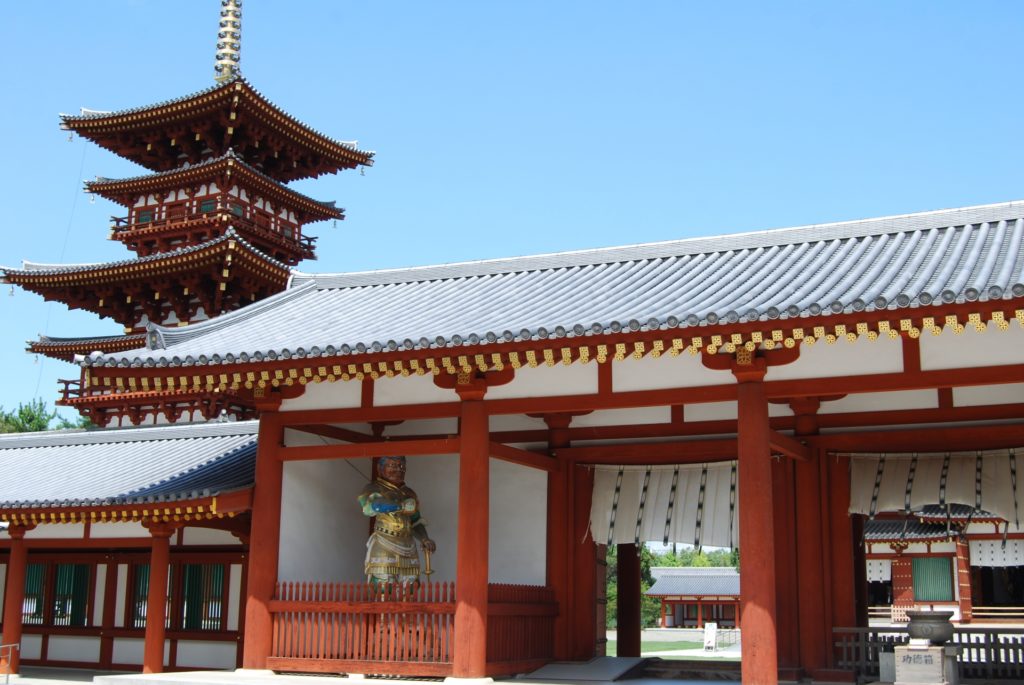
Yakushiji Temple, located in the ancient city of Nara, Japan, is one of the most significant and celebrated temples in Japanese history. Founded in 680 AD by Emperor Tenmu, the temple was constructed in honor of the emperor’s consort, Empress Jito, with the aim of praying for her recovery from illness. This act of devotion laid the foundation for a temple complex that has played a pivotal role in the spread of Buddhism throughout Japan. Yakushiji is renowned for its strict adherence to the Hosso sect of Buddhism and stands as a monument to the country’s rich spiritual and architectural heritage.
The temple’s layout, based on Chinese architectural principles, is a masterpiece of symmetry and space. Its most striking features include the East and West Pagodas. While the original West Pagoda (Saito) remains standing as a testament to the temple’s ancient origins, the East Pagoda was meticulously reconstructed in 1973, embodying the elegance and sophistication of Asuka and Nara period architecture. The central hall, or Kondo, houses a magnificent Yakushi Triad, a masterpiece of Buddhist art representing the Buddha of Healing, Yakushi Nyorai, flanked by two attendant Bodhisattvas.
Attractions within Yakushiji extend to the Genjo Sanzo-in Hall, dedicated to the famous Chinese monk Xuanzang, whose journey to India inspired the classic tale “Journey to the West.” The hall showcases artifacts related to his pilgrimage and contributions to Buddhism.
Insider Tip:
- For a unique experience, visit Yakushiji during the early evening when the temple is illuminated. The soft lighting enhances the beauty and serenity of the architecture, offering a different perspective from the daytime.
Yakushiji Temple remains a profound symbol of spiritual solace and architectural grandeur, inviting visitors to explore the depths of Japan’s Buddhist traditions and cultural legacy.
Kashihara Jingu
- Address: 934 Kume-cho, Kashihara, Nara 634-0063, Japan
- Hours: 6:30 AM – 5:30 PM
- Admission: ¥300
- Official Website: Kashihara Jingu
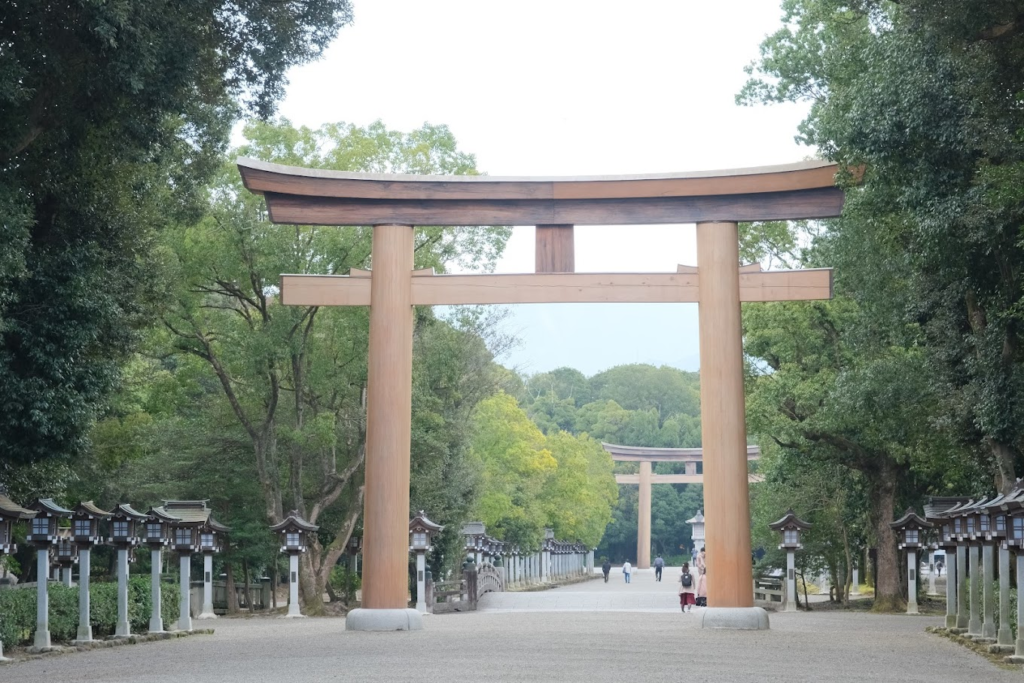
Kashihara Jingu, nestled in the city of Kashihara is a shrine steeped in the mythology and history of the Japanese nation. Established in 1889, this grand shrine commemorates the ascension of Emperor Jimmu, the first emperor of Japan according to the country’s traditional chronology. According to legend, Emperor Jimmu ascended to the throne in 660 BC, marking the beginning of Japan’s imperial lineage. Kashihara Jingu is built on the purported site of this historic event, making it a significant pilgrimage site for those wishing to pay homage to the origins of Japan and its imperial family.
The shrine’s architecture is a striking example of traditional Japanese design, characterized by its vermilion-lacquered pillars and white plaster walls, which contrast beautifully against the surrounding lush greenery. The expansive grounds of Kashihara Jingu are particularly stunning in the spring and autumn, when the cherry blossoms are in bloom and the maple leaves turn a vibrant red, providing a serene backdrop for reflection and worship.
Attractions within the shrine include the main hall, where visitors can pay their respects to Emperor Jimmu, and the museum, which houses artifacts related to the shrine’s history and the imperial family. The peaceful pond and garden area offer a quiet retreat for visitors to enjoy the natural beauty of the site.
Insider Tip:
- Plan your visit to coincide with one of the shrine’s festivals, such as the Jimmu Festival on February 11th, which celebrates the anniversary of Emperor Jimmu’s enthronement with traditional ceremonies and performances. These events provide a deeper insight into Japan’s cultural heritage and the significance of Kashihara Jingu.
Kashihara Jingu serves not only as a place of spiritual significance but also as a gateway to understanding the foundational myths and historical identity of Japan.
Mount Yoshino
- Access: Shuttle buses from Yoshino Station during cherry blossom season
- Hours & Admission: Varies by site; the area is generally accessible year-round
- Official Website: Mount Yoshino
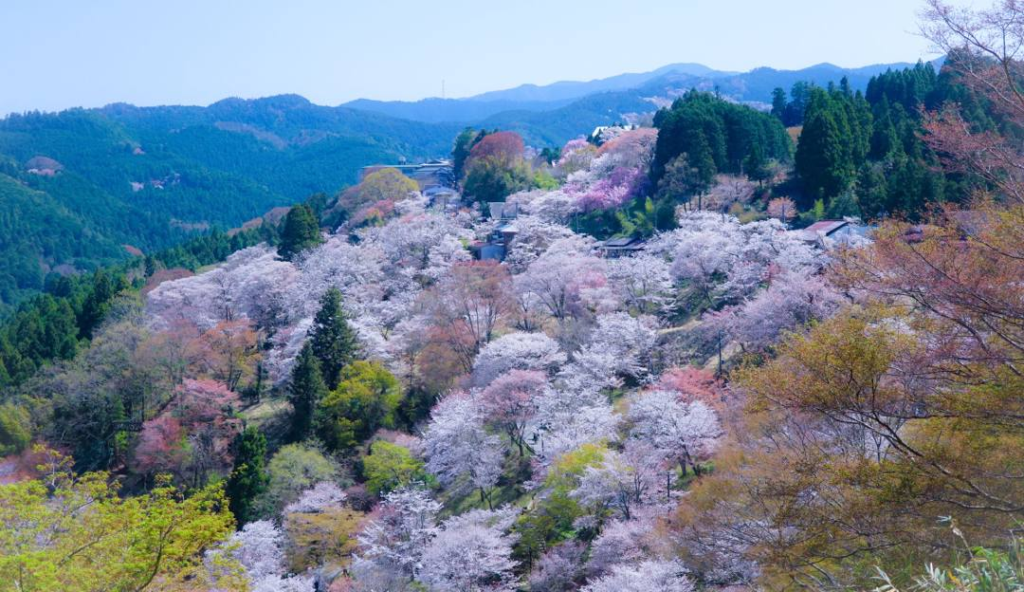
Mount Yoshino is renowned as the country’s most famous cherry blossom viewing spot, boasting over 30,000 cherry trees that blanket the mountain in a spectacular display of pink each spring. This UNESCO World Heritage Site has been celebrated for its breathtaking beauty and significant cultural and historical importance for over a thousand years, drawing visitors and pilgrims alike.
The history of Mount Yoshino is deeply intertwined with Japanese literature, religion, and the arts, often featured in ancient poetry and considered a spiritual landscape associated with Shugendo, a syncretic form of Buddhism. The mountain is divided into four areas of ascending altitude – Shimo Senbon (lower), Naka Senbon (middle), Kami Senbon (upper), and Oku Senbon (innermost) – each offering unique views and experiences of the cherry blossoms.
Key attractions include the Yoshimizu Shrine, which offers panoramic views of the cherry blossoms and has historical ties to the famed 12th-century warrior Minamoto no Yoshitsune. The Kinpusen-ji Temple, the second-largest wooden structure in Japan, is known for its Zaodo Hall and its statues of Zao Gongen, worshiped by practitioners of Shugendo.
Insider Tip:
- For the best cherry blossom views, visit in early to mid-April, but be prepared for crowds. For a quieter experience, explore the Oku Senbon area, where the blossoms bloom slightly later.
Mount Yoshino’s enduring appeal lies not just in its scenic beauty but also in its rich tapestry of cultural and spiritual heritage, offering visitors a profound sense of the historical depth and natural wonder of Japan.
Isuien Garden
- Address: 74 Suimoncho, Nara, Nara Prefecture 630-8208, Japan
- Hours: 9:30 AM – 4:30 PM (last entry at 4:00 PM), varies by season
- Closed Days: Tuesday
- Admission: ¥1,200 (Adults), additional fees for museum entry
- Official Website: Isuien Garden
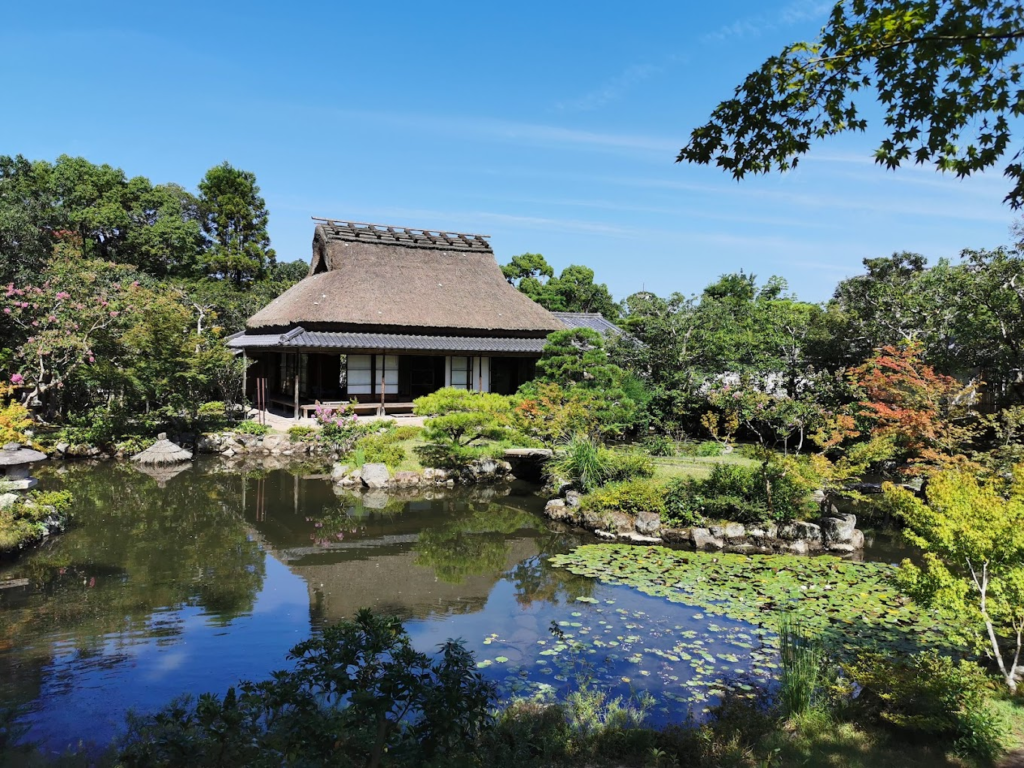
Isuien Garden is a quintessential Japanese stroll garden that embodies the serene beauty and refined aesthetics of traditional landscape design. This tranquil oasis, whose name translates to “water drawing garden,” spans approximately 13,500 square meters and is divided into two distinct sections, each representing different periods in Japanese garden history. The first part was constructed in the mid-17th century during the Edo Period, while the second, larger section was added in the Meiji Period, in the late 19th century.
The garden’s layout meticulously uses the technique of “borrowed scenery” (shakkei) to incorporate the surrounding landscapes, including the majestic Mount Wakakusa and the graceful spire of the Todai-ji Temple’s Nigatsu-do Hall, into its own scenery. Isuien Garden features a central pond, elegantly arched bridges, stone lanterns, and meticulously pruned trees and shrubs, all of which are laid out to encourage visitors to meander and contemplate the harmonious interplay of nature and artifice.
Attractions within the garden also include the Neiraku Art Museum, which houses a collection of Asian ceramics and artifacts, further enriching visitors’ experience of traditional Japanese culture. The teahouse within the garden offers a peaceful setting to enjoy matcha green tea while overlooking the pond and garden landscape.
Insider Tip:
- Visit Isuien Garden during the autumn months to witness the spectacular display of fall foliage, which adds vibrant reds and oranges to the garden’s palette.
Isuien Garden provides a reflective and beautiful escape, showcasing the timeless appeal of Japanese garden design and offering a deep connection to the natural and cultural heritage of Nara.

